

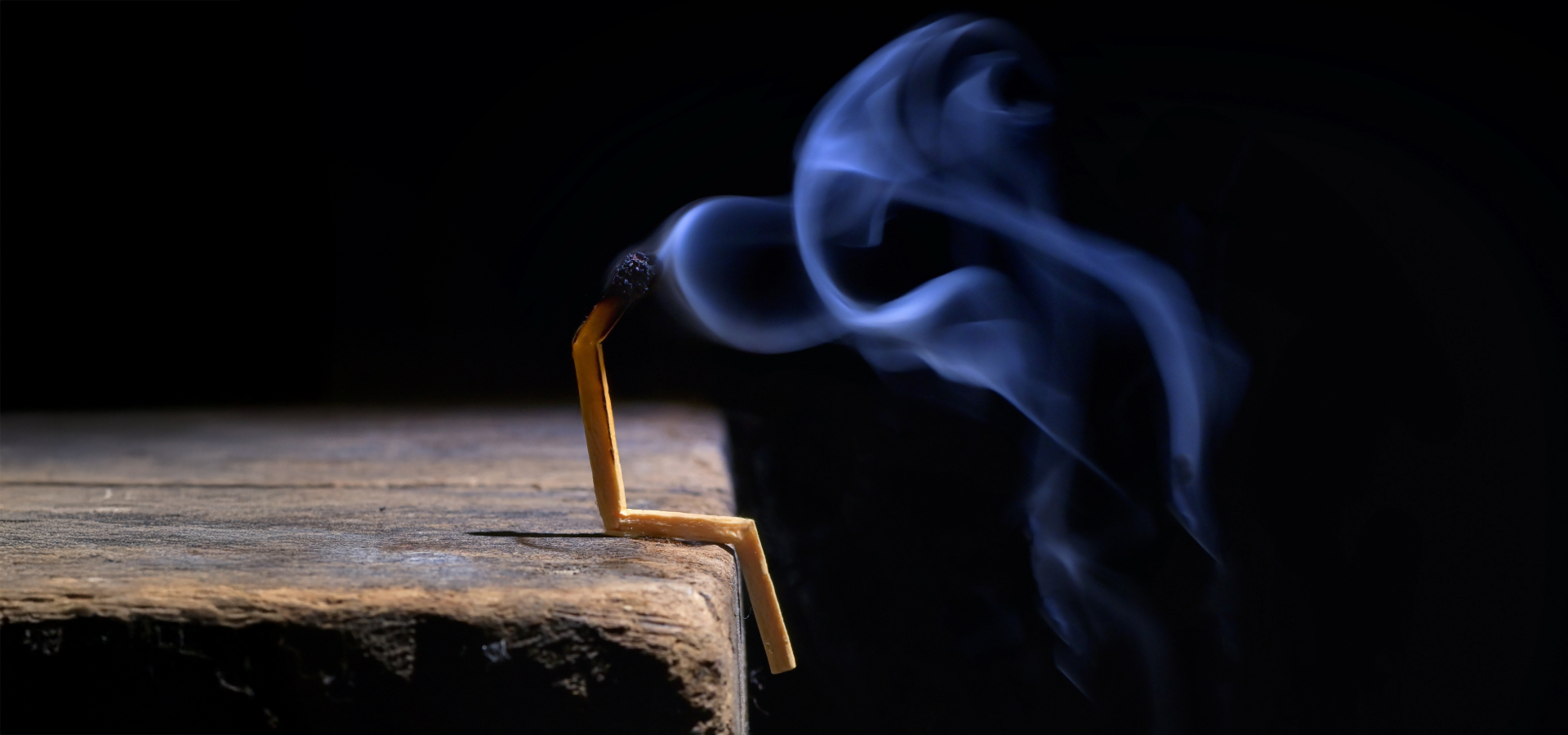
Over 75% of professionals report experiencing burnout at some point in their careers. But burnout isn’t just about being overworked, it’s about how stress rewires your brain.
Feeling exhausted no matter how much sleep you get? Struggling to focus even on simple tasks? You’re not just tired, you might be burned out. And the problem isn’t just too much work; it’s what’s happening inside your brain.
Burnout isn’t just about overworking, it’s a full-body, neurological phenomenon. Research shows that burnout is not a failure of character but a failure of biological recovery. Understanding the neuroscience behind it is key to truly overcoming it.
And no, “just working less” isn’t the magic cure, otherwise weekends and holidays would have fixed the problem by now.
What Is Burnout, Really?
Burnout isn’t just extreme fatigue, it’s a breakdown in the body’s ability to regulate stress. Chronic exposure to stress disrupts key brain functions, leading to emotional exhaustion, brain fog, and physical depletion. According to Burnout: The Secret to Unlocking the Stress Cycle by Emily and Amelia Nagoski, burnout results from incomplete stress cycles, when stress hormones remain elevated because the body never gets the signal that the threat has passed.
With modern digital overload, burnout is even more prevalent. Constant notifications, emails, and social media overstimulate the brain, keeping the stress response activated long after work has ended. Studies show that constant email notifications and screen exposure trigger the same fight-or-flight response as real threats, keeping your nervous system in overdrive.
Which explains why your inbox gives you mild heart palpitations.
The Neuroscience of Burnout: What’s Happening in Your Brain?
Burnout affects multiple systems in the brain and body:
-
Hyperactive Amygdala: The brain’s fear centre becomes overstimulated, making stress responses more intense and prolonged, like having a smoke alarm that goes off every time you make toast.
-
Prefrontal Cortex Suppression: The part of the brain responsible for decision-making and focus becomes less effective, leading to mental exhaustion and poor cognitive function, so if you’ve ever forgotten why you walked into a room, blame burnout.
-
Mitochondrial Dysfunction: Chronic stress depletes mitochondria (the energy factories of cells), causing deep fatigue and reducing the brain’s ability to recover. Think of it like your phone battery draining faster than it can charge, except you can’t just buy a new battery (unfortunately).
-
Autonomic Nervous System Imbalance: The body gets stuck in “fight-or-flight” mode, impairing digestion, sleep, and immune function. Basically, your nervous system thinks answering emails is the same as being chased by a bear.
The Three-Step Science-Based Recovery Plan
If burnout is a physiological state, then recovery must focus on rebalancing the nervous system and restoring depleted energy reserves.
1. Complete the Stress Cycle
According to the Nagoski sisters, burnout happens when the body doesn’t get the chance to process and release stress.
How to Apply It:
-
Move your body, physical activity signals to your nervous system that stress has passed.
-
Deep breathing techniques (like box breathing) activate the parasympathetic nervous system, reducing cortisol.
-
Social connection, hugging a loved one or talking to a trusted friend releases oxytocin, which counteracts stress.
Or, if all else fails, watch a funny video; laughter is an underrated stress reliever. (Yes, even cat videos count.)
2. Rewire the Brain’s Stress Response
The brain can be trained to shift from chronic stress to resilience. In The Stress Solution, Laurel Mellin explains how neuroplasticity can help regulate stress.
How to Apply It:
-
Reframe Stress: Research shows that viewing stress as a challenge instead of a threat reduces cortisol.
-
Gratitude & Positive Focus: Shifting attention to small wins increases dopamine and serotonin, which support brain health.
-
Mindfulness & Meditation: These practices strengthen the prefrontal cortex, helping the brain recover from burnout.
If meditation makes you twitchy, try mindful walking; it’s basically meditation with a side of exercise (and a much lower risk of falling asleep mid-practice).
3. Restore Mitochondrial Health and Nervous System Balance
Daniel J. Levitin’s research in The Organised Mind highlights how chronic stress depletes energy production at a cellular level. Without restoring mitochondrial function, recovery remains incomplete.
How to Apply It:
-
Prioritise Deep Sleep: Sleep is when the brain clears out toxins and restores energy. Aim for 7-9 hours and reduce screen time before bed.
-
Fuel the Brain: Increase intake of omega-3s (fatty fish), magnesium (leafy greens, nuts), and B vitamins (eggs, legumes).
-
Use Rhythmic Movement: Activities like walking, swimming, or yoga help reset the autonomic nervous system.
-
Reduce Digital Overload: Implement “tech-free wind-down” time before bed to allow the nervous system to settle.
And no, scrolling TikTok in bed does not count as winding down (no matter how educational the videos claim to be).
Final Thoughts: Burnout is a Biological State, Not a Character Flaw
The biggest myth about burnout is that it’s just about working too much. Neuroscience shows that burnout is a physiological response to chronic stress, and the way out isn’t simply “taking a break,” but actively restoring balance to the brain and body.
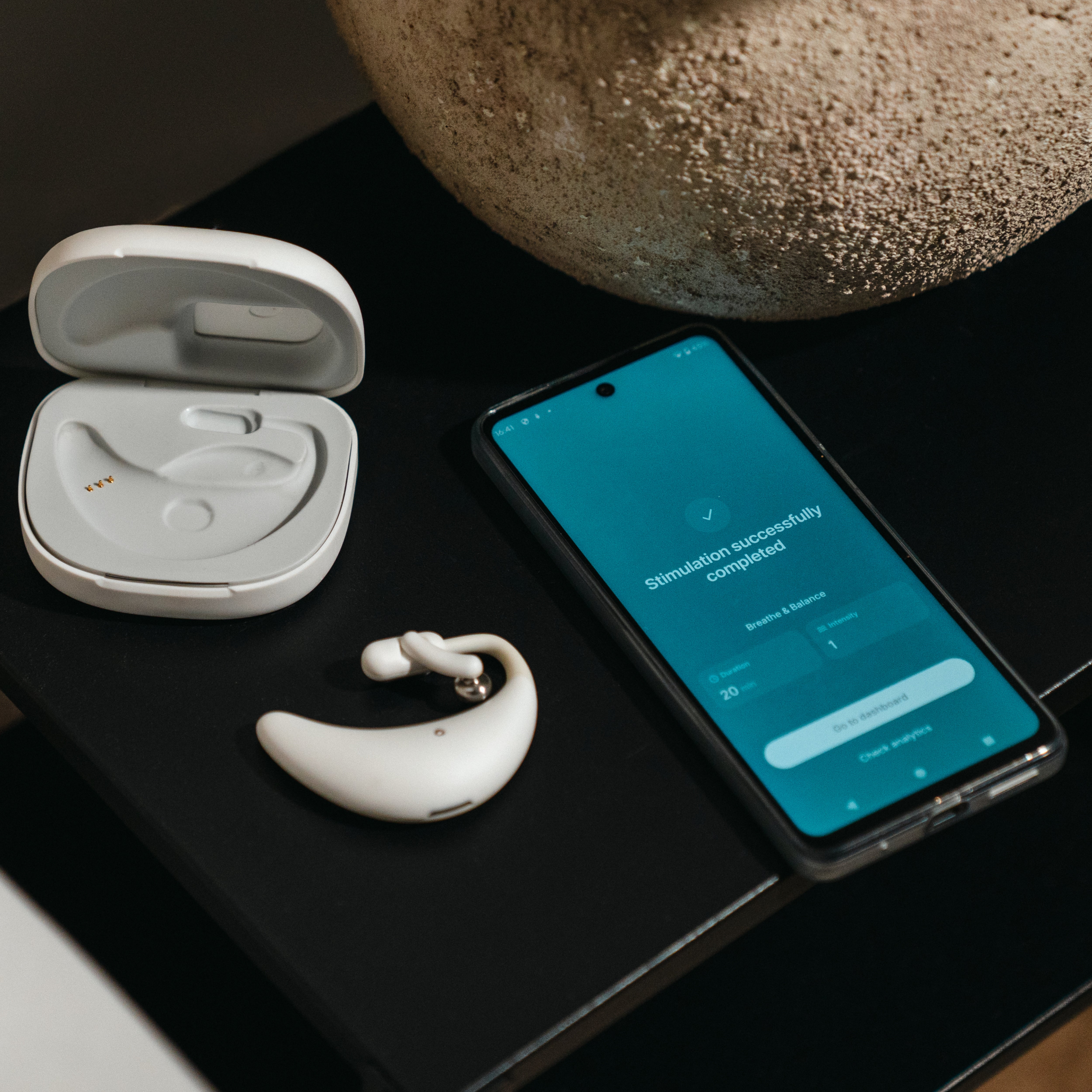
Burnout doesn’t fix itself. Choose one small action from this list, whether it’s a short walk, deep breathing, or cutting back on screen time, and start rewiring your brain today. For personalised stress relief delivered by next-gen neurotechnology visit & sign up www.sona.help.
Further Reading:
-
Burnout: The Secret to Unlocking the Stress Cycle – Emily & Amelia Nagoski
-
The Stress Solution – Laurel Mellin
-
The Organized Mind – Daniel J. Levitin
-
The Burnout Society – Byung-Chul Han


Share:
Morning, Noon, or Night? Timing Your Vagus Nerve Stimulation for Maximum Impact
Why You're Breathing All Wrong: A Science-Backed Guide to Hacking Your Nervous System with Your Lungs