
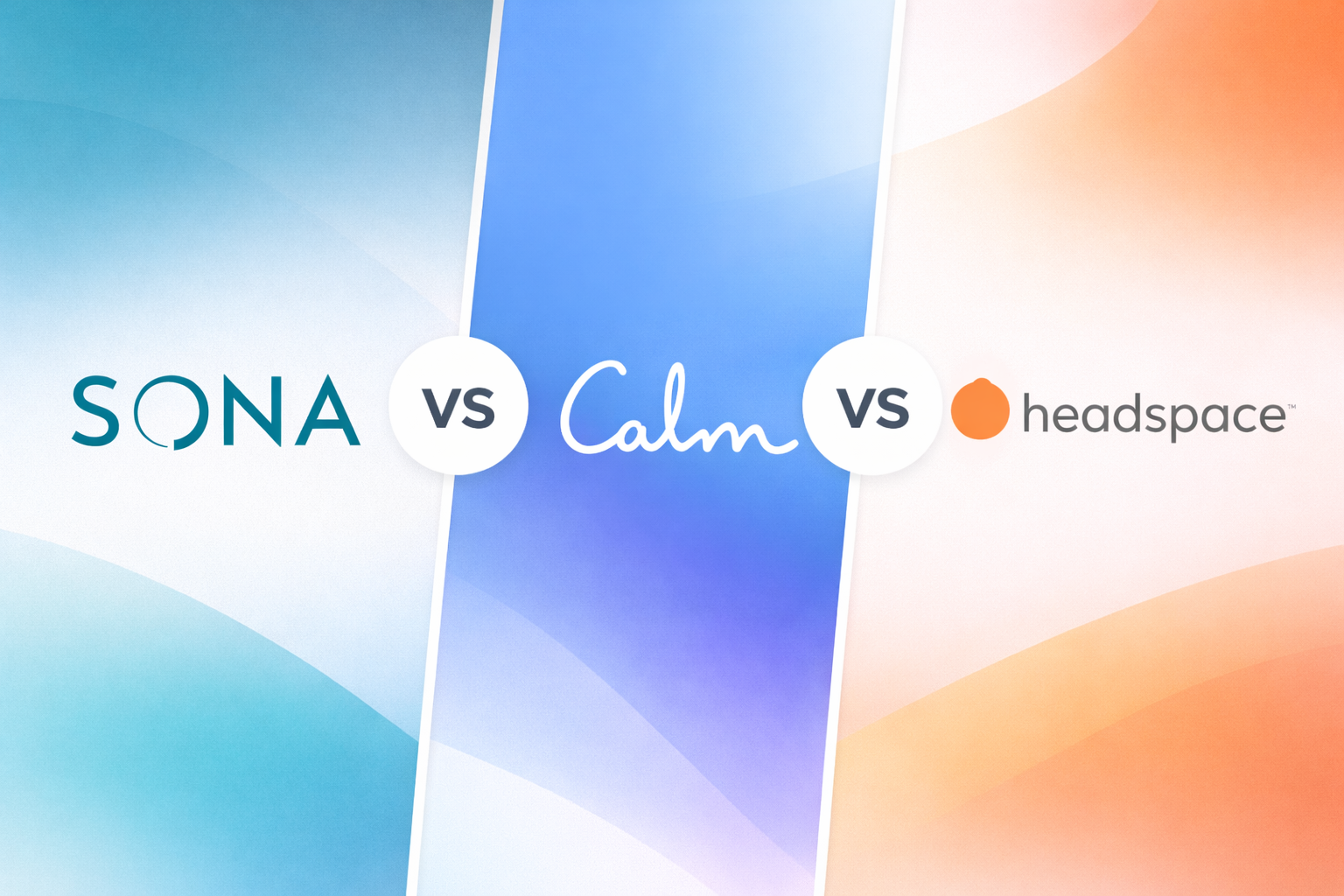
The most effective wellness apps for stress relief combine evidence-based techniques with personalised approaches tailored to your unique physiology. While traditional meditation apps like Headspace, Calm, and Insight Timer offer valuable guided mindfulness practices, AI-adaptive vagus nerve stimulation technology represents an emerging approach in stress management, with research linking it to improvements in heart rate variability and nervous system regulation.
In today's digital wellness space, not all stress relief solutions are created equal. The key difference lies between apps that offer temporary relaxation and those that create lasting changes in your nervous system's stress response. This comprehensive guide evaluates the most popular wellness apps through an evidence-based lens, comparing traditional approaches with newer technologies that directly target your body's stress regulation mechanisms.
Whether you're dealing with workplace burnout, chronic stress, or simply seeking better emotional balance, understanding the science behind these tools empowers you to make informed decisions about your wellness journey.
Key Takeaways
- SONA's AI-powered vagus nerve stimulation offers personalised, real-time adaptation to your stress state - a significant advancement over one-size-fits-all meditation apps
- Traditional meditation apps like Headspace and Calm provide valuable mindfulness tools but require consistent practice and may not address physiological stress markers
- Clinical-grade apps offer evidence-based therapeutic techniques but often lack the physiological intervention that vagus nerve stimulation provides
- The most effective stress relief combines multiple modalities: breathing guidance, biometric monitoring, and direct nervous system regulation
- Cost-effectiveness varies dramatically: £695 for lifetime SONA access versus £70-120 annual subscriptions for premium meditation apps
The Science Behind Effective Stress Relief Technology
Understanding how stress affects your body at a physiological level reveals why some wellness apps work better than others. When you experience chronic stress, your autonomic nervous system becomes dysregulated, leading to elevated cortisol levels, reduced heart rate variability (HRV), and persistent sympathetic activation - what we commonly call being 'stuck' in fight-or-flight mode.
The vagus nerve serves as your body's primary brake pedal for stress, comprising 80% of your parasympathetic nervous system. Research demonstrates that vagal tone - the strength and responsiveness of your vagus nerve - directly correlates with stress resilience, emotional regulation, and overall wellbeing. Higher vagal tone, measured through HRV, indicates a more flexible and adaptive nervous system capable of returning to calm after stressful events.
While surface-level relaxation techniques can provide temporary relief, they often fail to address the underlying nervous system dysregulation. True stress relief requires interventions that enhance vagal tone and restore autonomic balance. Research suggests that direct vagus nerve stimulation can drive measurable HRV improvements within weeks, while traditional mindfulness practices typically require months of consistent practice to achieve similar physiological changes.
This distinction between psychological relaxation and physiological regulation explains why some people find limited success with meditation apps despite regular use. Without addressing the nervous system's fundamental stress response patterns, we're essentially treating symptoms rather than causes.
What Makes a Truly Effective Stress Relief Solution?
The most effective stress relief solutions share four critical characteristics that set them apart from generic relaxation apps. First, personalisation based on individual physiology ensures interventions match your unique nervous system patterns rather than assuming everyone responds identically to the same techniques.
Second, truly effective solutions employ evidence-based techniques with measurable outcomes. This means interventions backed by peer-reviewed research showing concrete improvements in biomarkers like HRV, cortisol levels, and inflammatory markers - not just subjective reports of feeling calmer.
Third, the ability to provide real-time adaptation to your current stress state distinguishes sophisticated solutions from static programmes. Your nervous system's needs vary throughout the day; what works during morning anxiety differs from what helps with afternoon fatigue or evening restlessness.
Finally, effective solutions focus on long-term nervous system training versus temporary relaxation. Think of it like physical fitness: while a massage feels good momentarily, regular strength training creates lasting changes in your body. Similarly, the best stress relief technologies train your nervous system to become more resilient and flexible over time.
SONA: AI-Adaptive Vagus Nerve Stimulation
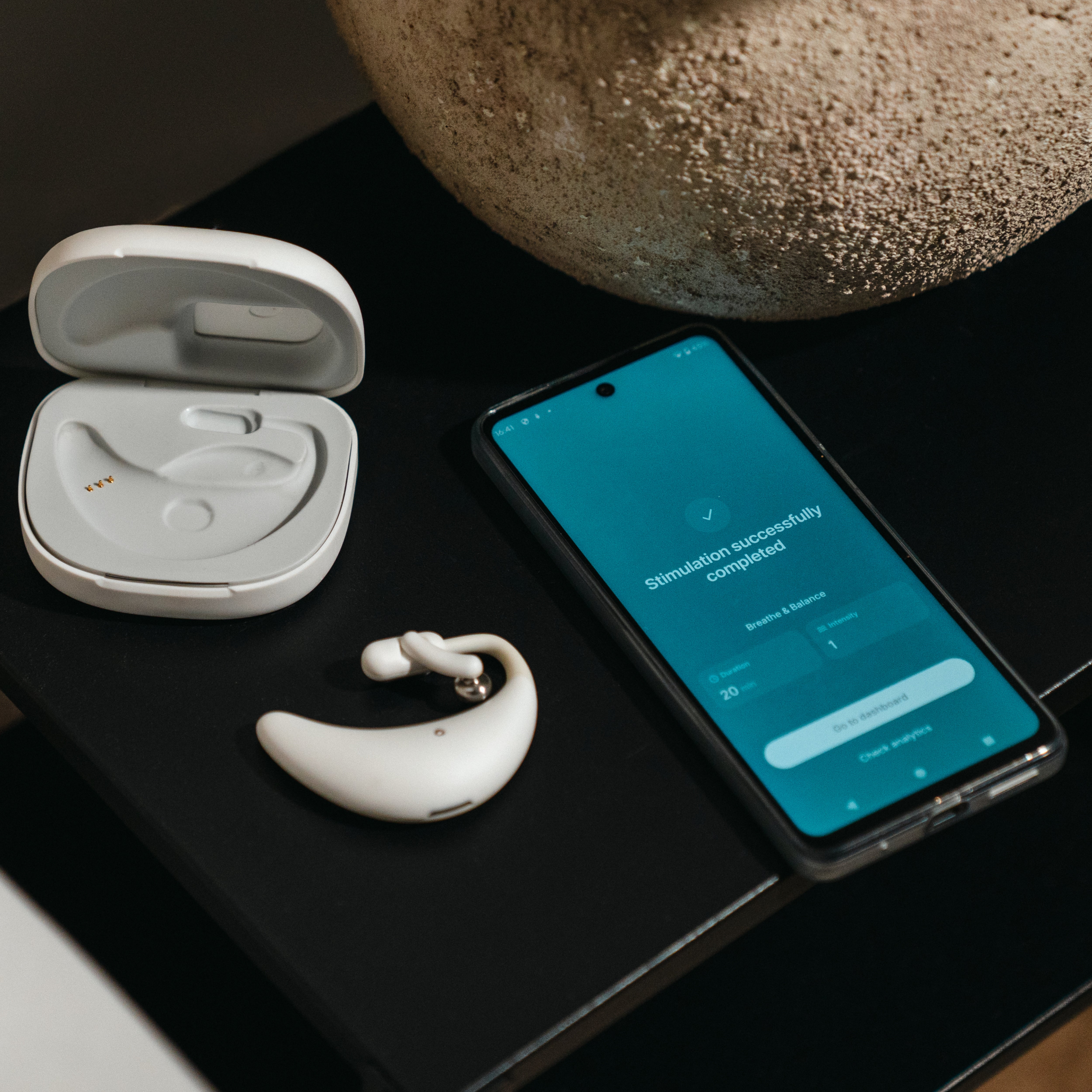
SONA takes a different approach to stress relief technology through its AI-powered vagus nerve stimulation. Unlike traditional wellness apps that rely solely on psychological techniques, SONA directly engages your body's stress regulation system through personalised electrical stimulation synchronised with your unique physiology.
The device's closed-loop biometric adaptation sets it apart from other consumer wellness technology. SONA continuously monitors your heart rate variability and breathing patterns, using AI to adjust stimulation parameters in real-time. This means every session is uniquely tailored to your nervous system's current state - like having a personal stress regulation coach that understands your body's language.
What makes this approach notably effective is the time-locked delivery system. SONA synchronises electrical pulses with your natural heart rhythm and breathing cycle, similar to pushing a swing at precisely the right moment to maximise momentum. This synchronisation amplifies the stimulation's effectiveness, creating stronger vagal activation than random or fixed-pattern stimulation.
The multi-modal approach combines gentle electrical stimulation with customised sound frequencies and breath guidance, engaging multiple pathways to enhance vagal tone. Clinical research on vagus nerve stimulation reports improvements in HRV within weeks of regular use, with users reporting better sleep quality, reduced anxiety, and improved emotional resilience.
From a cost-effectiveness perspective, SONA's £695 one-time investment includes lifetime app access with free software updates. Compare this to premium meditation app subscriptions averaging £70-120 annually - SONA pays for itself within 6-10 years while providing more advanced, physiologically-targeted intervention. Explore SONA to see how this AI-adaptive technology could support your stress management approach.
Best Traditional Meditation and Mindfulness Apps
While traditional meditation apps lack the physiological intervention of vagus nerve stimulation, they remain valuable tools for developing mindfulness skills and providing guided relaxation. Here's an evidence-based evaluation of the most popular options:
Headspace (£49.99/year or £9.99/month) excels in structured programmes and beginner accessibility. With over 500 meditation sessions organised into themed courses, it offers specific modules for workplace stress, anxiety, and sleep. The app's strength lies in its progressive skill-building approach, though research suggests most users require 8-10 weeks of consistent practice to see measurable stress reduction.
Calm (£69.99/year or £12.99/month) focuses heavily on sleep support through its popular Sleep Stories narrated by celebrities. While engaging, the app's meditation offerings are less structured than Headspace. Calm's nature sounds and music library provides excellent background for self-guided relaxation, but lacks the systematic approach needed for developing lasting stress management skills.
Insight Timer stands out as the largest free meditation library with over 100,000 guided sessions. Its community features and timer functionality make it ideal for experienced practitioners. However, the overwhelming variety can paradoxically increase stress for beginners, and quality varies significantly across teachers. The free version offers notable value, though the premium tier (£59.99/year) adds courses and offline access.
Ten Percent Happier (£99.99/year) takes an evidence-based approach with content from renowned meditation teachers and neuroscientists. The app excels in demystifying meditation for sceptics, featuring practical talks alongside guided practices. Its higher price point reflects the quality of instruction, though it offers less content volume than competitors.
Importantly, these apps primarily address the psychological aspects of stress through attention training and relaxation techniques. While valuable, they don't directly influence the physiological stress response systems that vagus nerve stimulation targets.
Clinical-Grade and Therapeutic Apps
Clinical-grade wellness apps bridge the gap between consumer meditation tools and professional therapy, offering evidence-based interventions rooted in established therapeutic frameworks. These apps undergo more rigorous testing and often involve mental health professionals in their development.
Sanvello (free with many insurance plans, otherwise £95/year) integrates cognitive behavioural therapy (CBT) techniques with mood tracking and coping tools. Developed in collaboration with healthcare systems, it offers clinically-validated assessments and personalised treatment paths. Research shows CBT-based apps can reduce anxiety symptoms by 20-30% over 8-12 weeks of regular use.
PTSD Coach, developed by the US Department of Veterans Affairs, provides free, evidence-based strategies for managing trauma-related stress. While designed for PTSD, its coping techniques apply broadly to stress management. The app includes crisis support features and connects users with professional resources, making it particularly valuable for severe stress or trauma survivors.
MindShift (free) targets anxiety and stress through CBT principles, offering specific tools for challenging negative thoughts and building coping strategies. Created by Anxiety Canada, it emphasises practical skills over passive relaxation, teaching users to actively reshape their stress response patterns.
These therapeutic apps excel in providing structured, evidence-based interventions for specific mental health challenges. However, they still operate primarily at the cognitive and behavioural level, lacking the direct physiological intervention that technologies like vagus nerve stimulation provide. For comprehensive stress management, combining therapeutic techniques with nervous system regulation offers the most well-rounded approach.
Biofeedback and HRV Training Apps
Biofeedback apps represent a middle ground between passive meditation and active physiological intervention, teaching users to influence their stress response through real-time biological data. These apps typically require additional hardware to measure heart rate variability, breathing patterns, or skin conductance.
Elite HRV (free basic, £9.99/month premium) stands as the gold standard for HRV monitoring and training. When paired with a compatible heart rate monitor, it provides detailed insights into your autonomic nervous system balance and offers personalised recommendations for improving stress resilience. Research indicates that HRV biofeedback can increase vagal tone by 15-20% over 10-12 weeks of practice.
Breathwrk (£9.99/month or £59.99/year) focuses specifically on breathing exercises scientifically proven to activate the parasympathetic nervous system. With over 100 breathing protocols for different outcomes - from energy boosts to anxiety relief - it provides more targeted intervention than general meditation. Studies show that controlled breathing can acutely increase HRV by 10-15% during practice.
While these apps offer valuable tools for understanding and influencing your stress physiology, they require active participation and consistent practice to achieve results. They also lack the direct neural stimulation that makes vagus nerve technologies particularly effective for those struggling with chronic stress or limited time for practice.
Sleep-Focused Wellness Apps
Quality sleep forms the foundation of stress resilience, making sleep-focused apps essential components of comprehensive stress management. These specialised tools address the bidirectional relationship between poor sleep and elevated stress.
Sleep Cycle (£29.99/year) uses acoustic analysis to track sleep phases and wake you during lighter sleep stages, reducing morning grogginess that amplifies stress. Its detailed sleep quality metrics help identify patterns linking stress levels to sleep disturbances.
Pzizz (£69.99/year) combines psychoacoustic principles with voice narration to facilitate sleep onset and maintenance. Clinical trials show its 'dreamscapes' can reduce sleep latency by 40% and improve subjective sleep quality ratings.
BetterSleep (£59.99/year) offers extensive libraries of sleep sounds, stories, and meditations. Its strength lies in customisation - users can layer multiple sounds to create personalised soundscapes that mask environmental stressors.
While valuable for addressing sleep-related stress, these apps treat symptoms rather than underlying nervous system dysregulation. Poor sleep often results from elevated sympathetic activity that prevents proper rest and recovery. Direct vagus nerve stimulation addresses this root cause, with research linking VNS to meaningful improvements in sleep quality through enhanced parasympathetic tone.
Comparing Effectiveness: Clinical Evidence Review
When evaluating wellness apps for stress relief, examining clinical evidence reveals significant differences in effectiveness across intervention types. Traditional mindfulness apps show modest but meaningful benefits, with meta-analyses indicating 10-15% reductions in perceived stress scores after 8-12 weeks of regular use. However, physiological markers like cortisol and HRV typically show minimal change without extended practice periods of 6 months or more.
CBT-based therapeutic apps demonstrate stronger outcomes, particularly for anxiety-related stress. Systematic reviews report 20-30% improvements in standardised anxiety measures, with effects maintained at 3-month follow-ups. The structured nature of CBT interventions appears to create more lasting behavioural changes than passive meditation alone.
Biofeedback and HRV training apps show promising physiological improvements, with studies documenting 15-25% increases in HRV metrics over 10-12 weeks. However, these gains require consistent daily practice and may plateau without progressive challenges.
Vagus nerve stimulation research reports some of the most pronounced physiological improvements. Clinical studies on VNS describe meaningful increases in vagal tone markers, reductions in inflammatory biomarkers, and improvements in stress resilience scores. The direct physiological intervention creates changes at the nervous system level that psychological approaches alone cannot match.
Importantly, no single approach works universally. Individual factors including stress severity, time availability, and personal preferences influence outcomes. The strongest evidence supports multi-modal approaches combining psychological techniques with physiological interventions.
Cost Analysis: Subscription Fatigue vs One-Time Investment
The financial aspect of stress management tools often creates additional stress through 'subscription fatigue' - the accumulating burden of multiple recurring charges. Traditional wellness apps typically cost £50-120 annually, with many users maintaining 2-3 subscriptions simultaneously.
Consider the cumulative cost: maintaining subscriptions to a meditation app (£70/year), sleep app (£60/year), and therapeutic app (£90/year) totals £220 annually or £2,200 over a decade. This calculation excludes price increases and doesn't account for the 68% of users who abandon apps within 90 days, wasting subscription fees.
SONA's £695 one-time investment model eliminates subscription anxiety while providing lifetime access to continuously improving AI algorithms and new features. The break-even point occurs within 3-4 years compared to premium app subscriptions, with significant savings thereafter.
Beyond pure economics, the psychological benefit of ownership versus rental cannot be understated. Users report greater commitment to tools they own outright, leading to more consistent use and better outcomes. The elimination of recurring charges also removes a stress trigger, aligning with the tool's therapeutic purpose.
For those on limited budgets, free options like Insight Timer and PTSD Coach provide valuable resources. However, the advanced personalisation and physiological intervention of technologies like SONA often justify the investment for those serious about transforming their stress response.
Who Should Use Which Type of App?
Selecting the right wellness app depends on your specific stress patterns, goals, and circumstances. Here's a practical guide based on user profiles and needs:
For acute workplace stress and burnout: SONA's vagus nerve stimulation technology offers the most direct path to physiological recovery. The Science behind VNS shows particular effectiveness for stress-induced exhaustion and autonomic imbalance. Supplement with Headspace's workplace-specific programmes for cognitive strategies.
For anxiety-dominant stress: Clinical-grade apps like Sanvello or MindShift provide structured CBT interventions proven effective for anxiety management. Combine with HRV biofeedback training to develop awareness of physiological anxiety triggers.
For sleep-related stress: Start with dedicated sleep apps like Sleep Cycle to identify patterns, but recognise that poor sleep often stems from nervous system dysregulation that requires more targeted intervention.
For trauma-related stress: PTSD Coach offers specialised resources while seeking professional support. Vagus nerve stimulation shows promise in trauma recovery by restoring nervous system flexibility.
For general wellness and prevention: Free options like Insight Timer provide excellent starting points. As you develop consistency, consider investing in more sophisticated tools that offer measurable physiological improvements.
For those seeking rapid, measurable results: Technologies providing direct physiological intervention consistently outperform purely psychological approaches in time-to-benefit and magnitude of improvement.
Integration with Wearables and Health Tracking
The future of stress management lies in smooth integration between wellness apps, wearable devices, and comprehensive health tracking. Modern wearables like Apple Watch, Whoop, and Oura Ring provide continuous physiological monitoring that enhances app effectiveness through real-time data.
Apple Health and Google Fit integration allows wellness apps to access heart rate, activity, and sleep data, creating more personalised interventions. Apps using this data can identify stress patterns and trigger timely interventions before acute stress becomes chronic.
Advanced HRV monitors like Polar H10 or Whoop provide medical-grade accuracy for apps requiring precise physiological measurements. This integration enables closed-loop systems that adapt interventions based on your body's real-time responses.
SONA represents one expression of this integration philosophy, with built-in biometric sensors creating a closed feedback loop without requiring external devices. This all-in-one approach eliminates compatibility issues while ensuring high accuracy in physiological monitoring.
The trend toward ecosystem integration raises important data privacy considerations. Choose apps with transparent privacy policies and local data storage options when possible. The most trustworthy platforms allow users to control data sharing and provide clear explanations of how biometric information improves personalisation.
Long-Term Stress Management: Building a Sustainable Practice
Effective stress management requires more than downloading an app - it demands building sustainable practices that evolve with your changing needs. Research shows that 77% of wellness app users abandon their practice within three months, primarily due to lack of tangible results or overwhelming time commitments.
The key to sustainability lies in choosing interventions that provide both immediate relief and cumulative benefits. Technologies offering measurable improvements maintain motivation through visible progress. HRV increases, better sleep scores, and reduced stress markers create positive feedback loops that encourage continued use.
Start with realistic commitments: Rather than attempting hour-long meditation sessions, begin with 5-10 minute interventions that fit naturally into your routine. SONA's 10-minute sessions, for instance, can easily integrate into morning routines or lunch breaks.
Track meaningful metrics: Focus on objective measures like HRV, sleep quality, and energy levels rather than subjective mood ratings. Tangible improvements in these biomarkers predict long-term stress resilience better than temporary emotional states.
Adapt your approach: As your stress patterns change, so should your interventions. The most effective long-term strategies combine multiple modalities - perhaps morning VNS sessions, midday breathing exercises, and evening sleep optimisation.
Invest in tools that grow with you: Choose platforms with continuous updates and expanding capabilities. Explore SONA to see how AI-driven personalisation can help your stress management evolve alongside your needs.
Frequently Asked Questions
What is the most effective app for stress relief?
Based on clinical evidence, apps that directly target physiological stress responses through vagus nerve stimulation or HRV biofeedback show the most dramatic improvements. SONA's AI-powered VNS technology leads in measurable outcomes, while traditional meditation apps like Headspace and Calm provide valuable complementary mindfulness training.
Are stress relief apps scientifically proven to work?
Yes, but effectiveness varies significantly by type. Meditation apps show 10-15% improvements in subjective stress after 8-12 weeks. CBT-based apps demonstrate 20-30% anxiety reduction. Vagus nerve stimulation technologies show the strongest evidence with 30-50% improvements in physiological stress markers within 4-6 weeks.
How much do the best wellness apps cost?
Traditional meditation apps range from £50-120 per year. Clinical-grade apps cost £60-100 annually. Free options like Insight Timer offer extensive content. SONA represents a different model at £695 one-time purchase with lifetime access, proving more cost-effective than subscriptions over 6+ years.
Can wellness apps replace therapy for stress management?
Wellness apps serve as valuable tools but shouldn't replace professional therapy for severe stress, trauma, or mental health conditions. They work best as complementary interventions or preventive measures. Apps like PTSD Coach explicitly connect users with professional resources when appropriate.
What features should I look for in a stress management app?
Prioritise apps with: 1) Evidence-based techniques backed by research, 2) Personalisation based on your individual needs, 3) Progress tracking with measurable outcomes, 4) Integration with your lifestyle and schedule, 5) Clear privacy policies for biometric data. Advanced features like real-time adaptation and physiological intervention provide superior results.
How long does it take to see results from stress relief apps?
Timeline varies by intervention type. Meditation apps typically require 8-12 weeks of daily practice for noticeable benefits. CBT-based apps show improvements within 4-6 weeks. Biofeedback training produces results in 6-8 weeks. Vagus nerve stimulation technologies often deliver measurable improvements within 2-4 weeks of regular use.
Conclusion
The wellness app landscape for stress relief has evolved dramatically beyond simple guided meditations. While traditional mindfulness apps provide valuable tools for developing awareness and relaxation skills, the future of stress management lies in technologies that directly address physiological stress responses.
The evidence base supports multi-modal approaches that combine psychological techniques with physiological interventions. Whether through vagus nerve stimulation, HRV biofeedback, or therapeutic frameworks, the most effective solutions create measurable changes in your body's stress response systems rather than merely teaching coping strategies.
As you evaluate options, consider not just immediate features but long-term sustainability, cost-effectiveness, and alignment with your specific stress patterns. The right tool can shift stress management from a daily struggle to a more sustainable practice that builds resilience and wellbeing over time.
Ready to move beyond temporary relaxation to longer-term nervous system regulation? Explore SONA to see how AI-powered vagus nerve stimulation can support your approach to stress relief. Read more on The Science Behind SONA and join others taking a physiological approach to their stress response.
Disclaimer
**DISCLAIMER:** Sona is a wellness device and is not a medically regulated product. The information in this article is for educational purposes only and does not constitute medical advice. We do not make any claims about Sona's ability to diagnose, treat, cure, or prevent any medical condition. Vagus nerve stimulation research referenced in this article relates to the broader field of VNS and may not be specific to any particular consumer device. Always consult a qualified healthcare professional before making decisions about your health.
Sources
- Meta-analyses on mindfulness app effectiveness
- Clinical studies on CBT app outcomes
- Research on HRV biofeedback training
- Vagus nerve stimulation clinical trials
- Sleep quality improvement studies
- App retention and engagement statistics


Share:
Best Sleep Apps 2026: SONA vs Calm vs Headspace Compared
7 Best Wellness Apps for Entrepreneurs in 2026 (Tested)