


Stress can be a good thing
It helps us move up into top gear in response to an immediate threat, increases our focus, arms our body with energy and slows unnecessary physiological activity helping us harness all available resources to deal with the emergency. Normally we can recover from these situations pretty quickly; we are “resilient” and our bodies and minds can return to normal ‘operating procedures’.
But what happens when we face incessant stress and our bodies never get a chance to recalibrate? This level of chronic stress is what the MindSpire team specialises in, to minimise the downstream consequences to our mental and physical health, which are profound.
As the physiological wear and tear builds up, our body stops properly turning off or shutting down responses to stress. These start to impact critical parts of our operating infrastructure, our endocrine system that releases hormones controlling our metabolism, our autonomic nervous system and our immune system.
The consequences are bad… If the alarm response is constantly sustained and, for example, our adrenal output of glucocorticoid (which helps break down proteins and fats when we need an immediate supply of carbohydrate for energy) carries on, it signals to the brain to eat more and replenish reserves that might once have been critical to the escape from stress. Thankfully, most of today’s stressors don’t require a rapid sprint, so topping up reserves that weren’t used isn’t helpful.
In the brain the release of stress hormones, whilst beneficial in the short term, can start to damage neurons in the long term. In our immune system, acute stress can marshal immune cells to the front line but with chronic stress, the same hormones that send out the troops to attack, start to suppress their release.
In our cardiovascular system, whilst we expect our blood pressure to go up and down during the day as the demands change, repeated increase in blood pressure caused by stressful situations can start to damage our artery walls.
Does this feel like it might be happening to you?
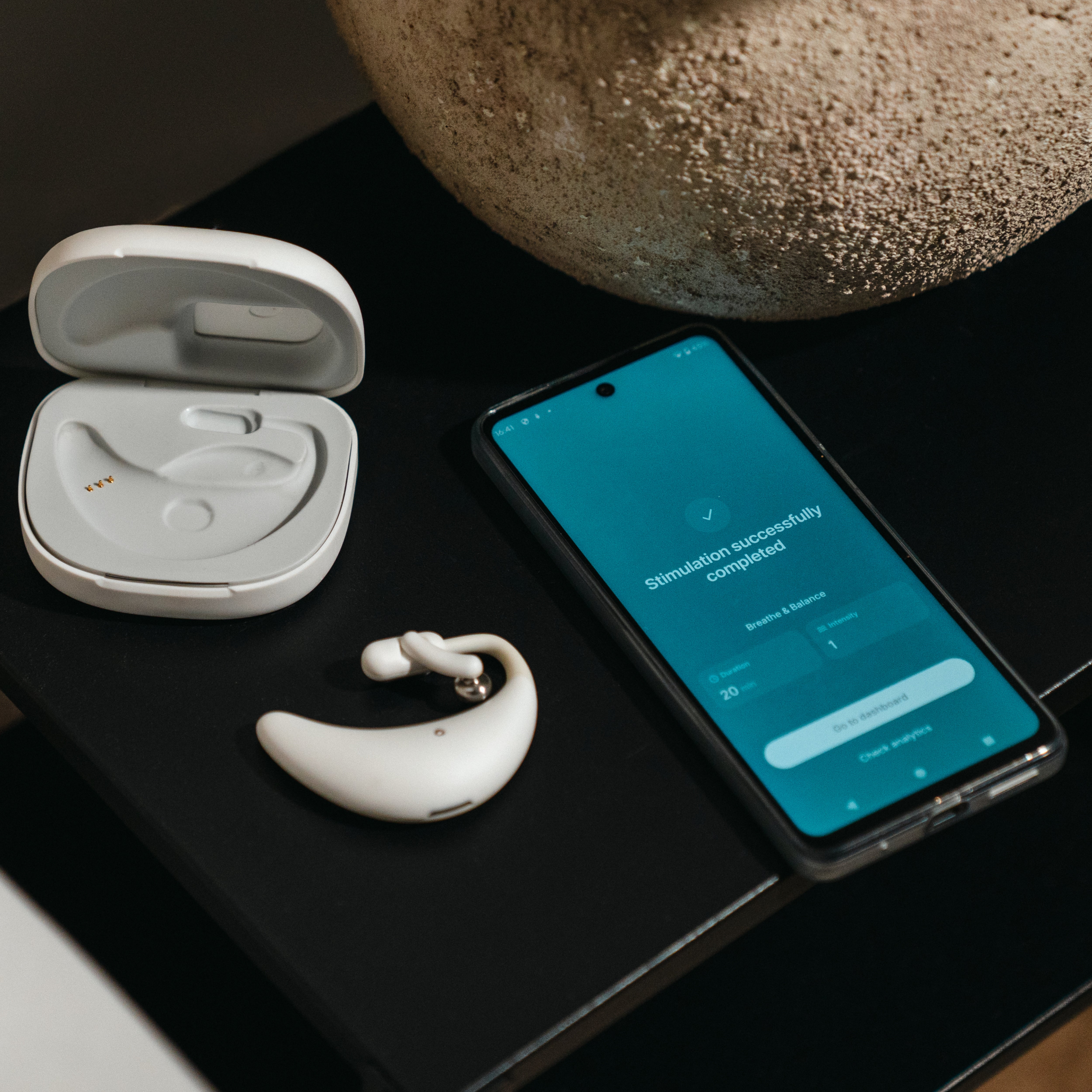
It’s often hard to know as until now there hasn’t been a good data-driven early warning system that lets you know when you really are “stressed out” so you can make changes and find the right treatments. If you are interested in our journey of decoding and defeating chronic stress, follow us today.

Share:
Smile. Its one of your super powers.