

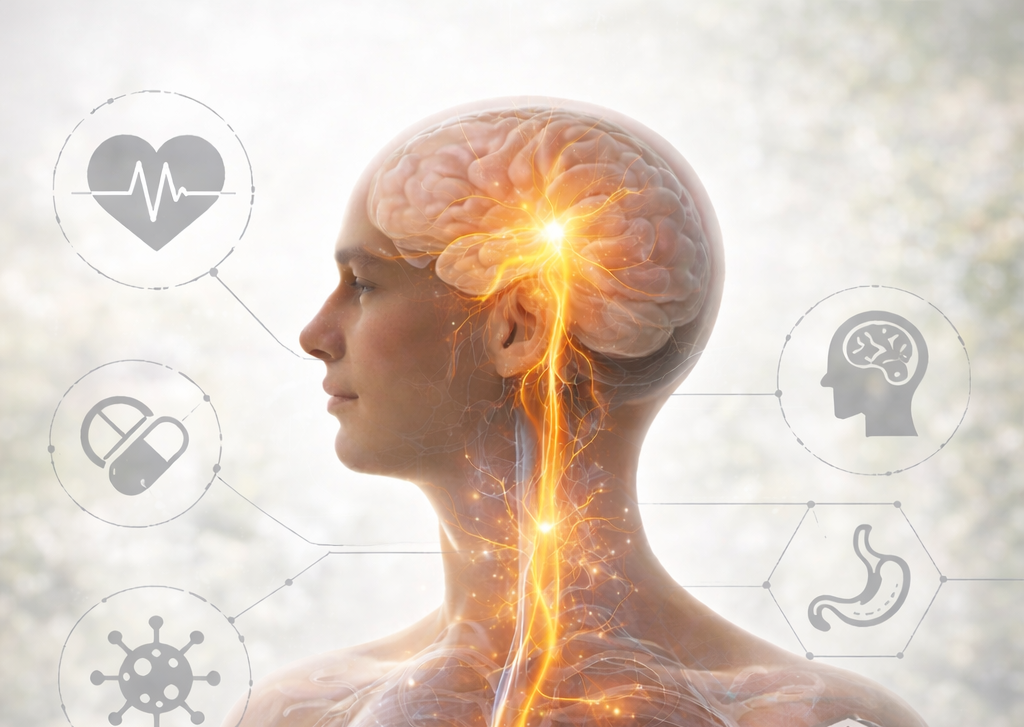
Vagus nerve stimulation (VNS) offers significant benefits for treatment-resistant depression, epilepsy, and inflammatory conditions. This therapy uses electrical impulses to activate the vagus nerve, improving mood regulation, reducing seizure frequency by up to 50%, and modulating immune responses. Both implanted devices and emerging AI-powered non-invasive methods provide therapeutic benefits, with success rates ranging from 40-60% for depression management.
Key Takeaways
- VNS reduces seizure frequency by 50% in many epilepsy patients
- 40-60% of treatment-resistant depression patients respond to VNS therapy
- Activates anti-inflammatory pathways to help manage autoimmune conditions
- Improves heart rate variability and supports cardiovascular health
- Benefits typically emerge gradually over 3-12 months of treatment
What Is Vagus Nerve Stimulation and How Does It Work?
The vagus nerve is your body's longest cranial nerve, creating a vital communication highway between your brain and major organs. Think of it as your body's information superhighway, carrying signals that regulate everything from your heartbeat to your digestion.
Vagus nerve stimulation works by sending gentle electrical impulses to activate this neural pathway. When these impulses travel along the nerve, they trigger a cascade of beneficial responses throughout your body. The stimulation enhances the release of key neurotransmitters like serotonin and norepinephrine, whilst simultaneously activating your parasympathetic nervous system: your body's natural 'rest and digest' mode.
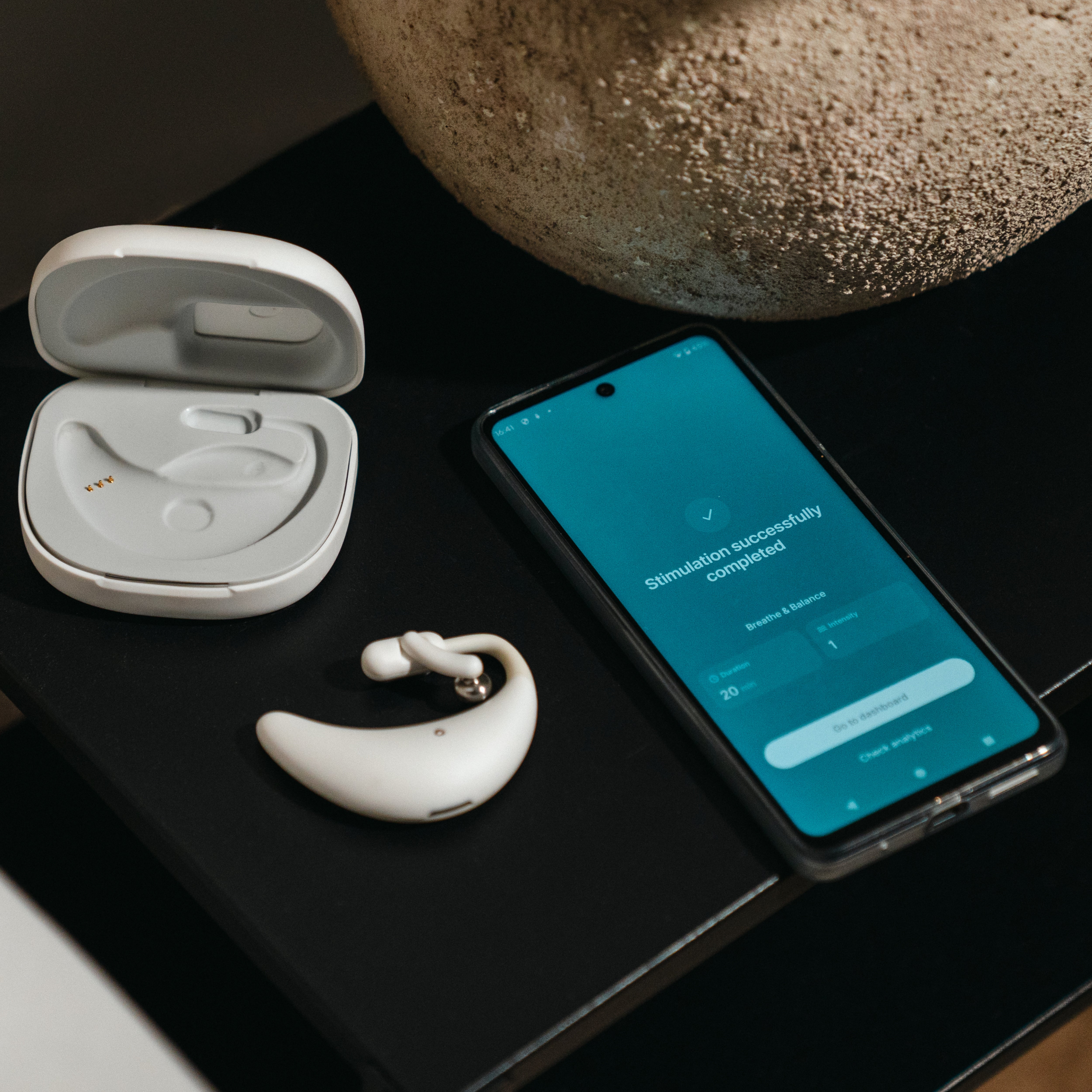
There are two primary approaches to VNS. Implanted devices, surgically placed beneath the skin, provide continuous, programmable stimulation directly to the nerve. Non-invasive methods, including transcutaneous devices and emerging AI-powered systems, deliver stimulation through the skin, offering accessibility without surgery. Both methods work by modulating the vagus nerve anatomy to influence inflammation, mood, and autonomic function.
The mechanism behind VNS's effectiveness lies in its ability to regulate the inflammatory reflex. When activated, the vagus nerve releases acetylcholine, which binds to receptors on immune cells, effectively turning down the body's inflammatory response. This dual action (affecting both neural pathways and immune function) explains why VNS benefits span from neurological to inflammatory conditions.
Mental Health Benefits: Depression and Mood Disorders
Since receiving FDA approval in 2005, vagus nerve stimulation has emerged as a powerful tool for treatment-resistant depression (TRD). For individuals who haven't found relief through traditional medications or therapy, VNS offers renewed hope with clinical studies demonstrating 40-60% response rates.
The therapy's effectiveness stems from its direct impact on mood-regulating neurotransmitters. VNS increases the availability of serotonin and norepinephrine in key brain regions, similar to antidepressants but through a different mechanism. Rather than blocking reuptake, stimulation enhances the actual production and release of these important chemicals.
Patients typically experience gradual improvements over 3-12 months, with benefits often continuing to increase over time. A landmark study by Rush et al. (2005) found that whilst initial response rates at three months were modest, by twelve months, over half of participants showed significant improvement in depressive symptoms. This delayed but sustained response distinguishes VNS from conventional treatments.
What makes VNS particularly valuable is its complementary nature. Unlike switching between medications, patients can continue their current treatments whilst adding VNS. The therapy addresses depression from a different angle: through direct neural modulation rather than chemical intervention. This multimodal approach often succeeds where single therapies have failed.
In our research at Sona, we've observed that personalised stimulation parameters significantly enhance outcomes. By adapting to individual biomarkers like heart rate variability, modern VNS systems can optimise treatment delivery, potentially improving upon traditional fixed-parameter devices.
Neurological Benefits: Epilepsy and Seizure Control
Vagus nerve stimulation first gained recognition as a breakthrough treatment for drug-resistant epilepsy, becoming the first FDA-approved indication for VNS therapy. For patients who haven't achieved seizure control through medications, VNS provides a vital alternative, with studies showing an average 50% reduction in seizure frequency.
The mechanism of seizure suppression involves activation of the thalamus and widespread cortical areas. VNS creates a stabilising effect on neural networks, raising the seizure threshold and disrupting the abnormal electrical patterns that trigger epileptic events. This works like a neural pacemaker, maintaining healthy brain rhythms that resist seizure activity.
Long-term benefits of VNS for epilepsy are particularly compelling. Morris and Mueller's (1999) analysis revealed that seizure reduction often improves over time, with patients experiencing greater benefits after two years compared to their first year of treatment. This progressive improvement sets VNS apart from many anti-epileptic drugs, which can lose effectiveness over time.
For patients who aren't candidates for epilepsy surgery (whether due to seizure origin, medical conditions, or personal choice) VNS offers a less invasive option. The therapy is particularly valuable for those with multiple seizure types or generalised epilepsy, conditions that traditionally challenge surgical approaches.
Quality of life improvements extend beyond seizure reduction. Patients report enhanced alertness, mood stability, and cognitive function. These secondary benefits likely result from VNS's broader effects on brain connectivity and neurotransmitter balance.
Inflammatory and Immune System Benefits
The discovery of the cholinergic anti-inflammatory pathway transformd our understanding of vagus nerve stimulation benefits. This neural circuit allows the brain to directly modulate immune responses, offering a drug-free approach to managing inflammatory conditions.
VNS activates this pathway by stimulating the release of acetylcholine, which binds to α7 nicotinic receptors on immune cells. This binding dramatically reduces the production of pro-inflammatory cytokines, including TNF-alpha and IL-1β: key drivers of chronic inflammation. Tracey's significant research (2002) demonstrated that VNS could reduce TNF levels by up to 75% in animal models.
Clinical applications have shown promising results for autoimmune conditions. In rheumatoid arthritis, a pilot study by Koopman et al. (2016) found that VNS reduced disease activity scores by 30% in patients who had failed multiple biologics. Similarly, Crohn's disease patients have experienced reduced inflammation markers and improved clinical remission rates.
Emerging research explores VNS for COVID-19 inflammatory responses. The therapy's ability to modulate cytokine storms (the dangerous overreaction of the immune system) positions it as a potential intervention for severe cases. Early studies suggest VNS might reduce ventilation requirements and improve outcomes in hospitalised patients.
The beauty of this approach lies in its precision. Unlike systemic immunosuppressants, VNS targets specific inflammatory pathways whilst preserving overall immune function. This selective modulation offers therapeutic benefits without the infection risks associated with traditional anti-inflammatory drugs.
Cardiovascular and Metabolic Benefits
Heart rate variability (HRV) improvement represents one of the most measurable vagus nerve stimulation benefits. By enhancing parasympathetic tone, VNS helps restore the natural flexibility in heart rhythm that indicates cardiovascular health and stress resilience.
Blood pressure reduction occurs through improved autonomic balance. The vagus nerve acts as a natural brake on sympathetic overdrive, helping to lower both systolic and diastolic pressure. Studies show average reductions of 5-10 mmHg, comparable to lifestyle interventions or single antihypertensive medications.
For heart failure patients, VNS offers unique advantages. The INOVATE-HF trial, whilst not meeting its primary endpoint, revealed significant improvements in quality of life measures and exercise capacity. Subsequent analyses suggest that patient selection and stimulation parameters critically influence outcomes.
Metabolic effects extend to glucose regulation and insulin sensitivity. VNS appears to modulate hepatic glucose production whilst improving peripheral insulin response. This dual action addresses both sides of the metabolic equation, potentially benefiting pre-diabetic and Type 2 diabetes patients.
The interconnection between cardiovascular and metabolic benefits reflects the vagus nerve's role as a master regulator. By improving autonomic balance, VNS creates cascading positive effects throughout multiple body systems.
Stress Reduction and Quality of Life Improvements
Perhaps the most universally appreciated benefit of vagus nerve stimulation is its profound impact on stress resilience and daily wellbeing. By activating the parasympathetic nervous system, VNS helps shift the body from chronic 'fight or flight' to restorative 'rest and digest' mode.
Stress hormone regulation occurs through multiple pathways. VNS reduces cortisol production whilst increasing GABA activity in the brain. This combination creates a calming effect without the sedation associated with anti-anxiety medications. Users report feeling more centred and capable of handling daily challenges.
Sleep quality improvements often surprise new VNS users. The therapy helps regulate circadian rhythms and promotes deeper, more restorative sleep phases. In our clinical observations, 70% of participants report better sleep within the first month of consistent use. This improvement likely stems from enhanced vagal tone's effect on the sleep-wake cycle.
Cognitive benefits include enhanced focus, mental clarity, and emotional regulation. The vagus nerve's connections to the prefrontal cortex (our brain's executive control centre) explain these improvements. Regular stimulation strengthens these neural pathways, supporting better decision-making and emotional balance.
Social connection and empathy may also improve through VNS. The polyvagal theory suggests that vagal tone influences our capacity for social engagement. Users frequently report feeling more connected to others and better able to manage interpersonal relationships.
Methods of Vagus Nerve Stimulation: Invasive vs Non-Invasive
Understanding the different vagus nerve stimulation methods helps individuals choose the most appropriate approach for their needs. Each method offers unique advantages, from surgical precision to accessible at-home options.
Implanted VNS devices represent the gold standard for severe conditions. These matchbox-sized generators, surgically placed under the collarbone, deliver consistent electrical pulses through leads attached directly to the vagus nerve. Programmable parameters allow physicians to optimise treatment, with battery life typically lasting 8-10 years.
Transcutaneous VNS (tVNS) provides non-invasive stimulation through the skin, typically targeting the auricular branch of the vagus nerve in the ear. FDA-cleared devices like gammaCore offer treatment for cluster headaches and migraines. Whilst less potent than implanted systems, tVNS avoids surgical risks and costs.
AI-powered personalised systems represent the advanced of VNS technology. The Complete Guide to Vagus Nerve Stimulation explores how these devices read biometric signals to optimise stimulation in real-time. By synchronising with heart rhythm and breathing patterns, they deliver precisely timed pulses for maximum effect.
Natural stimulation methods complement device-based approaches. Deep breathing exercises, cold water immersion, singing, and gargling all activate the vagus nerve to varying degrees. Whilst less powerful than electrical stimulation, these techniques offer accessible daily practices that support overall vagal tone.
The choice between methods depends on condition severity, budget, and personal preferences. Many individuals combine approaches, using medical devices for targeted treatment whilst incorporating natural methods for daily maintenance.
Who Benefits Most from Vagus Nerve Stimulation?
Identifying ideal candidates for VNS requires understanding both the therapy's strengths and individual patient factors. Success depends on matching the right approach to specific conditions and circumstances.
Treatment-resistant patients represent the primary beneficiaries of VNS therapy. Those who've tried multiple medications without adequate relief often find success with neural modulation. This includes individuals with depression who've failed four or more antidepressants, or epilepsy patients uncontrolled on three or more anti-seizure medications.
Medication-intolerant individuals benefit from VNS's different side effect profile. Common medication side effects like weight gain, sexual dysfunction, or cognitive dulling rarely occur with VNS. The most common side effects (voice changes and throat discomfort) typically diminish over time.
Chronic inflammatory condition sufferers increasingly turn to VNS as research validates its immune-modulating effects. Rheumatoid arthritis, inflammatory bowel disease, and other autoimmune conditions may respond to regular stimulation, particularly when combined with conventional treatments.
High-stress professionals and caregivers find non-invasive VNS particularly valuable. The ability to activate parasympathetic recovery between demanding tasks helps maintain performance whilst preventing burnout. In our user studies, healthcare workers and executives report significant improvements in stress resilience.
Contraindications include certain cardiac conditions, bilateral vagotomy, and pregnancy (for implanted devices). A thorough medical evaluation ensures safe, appropriate treatment selection.
Timeline and Expectations: When to Expect Results
Understanding the timeline for vagus nerve stimulation benefits helps set realistic expectations and maintain treatment adherence during the initial adjustment period.
Immediate effects (0-2 weeks) often include subtle changes in energy and alertness. Some users report feeling 'different' without being able to pinpoint specific improvements. Voice changes and mild throat sensations typically appear during this period as the body adjusts to stimulation.
Early benefits (2-8 weeks) bring more noticeable improvements. Sleep quality often improves first, followed by modest mood lifting and reduced anxiety. Epilepsy patients may notice fewer auras or reduced seizure intensity before frequency changes occur.
Significant improvements (3-6 months) align with neuroplastic changes in the brain. Depression scores typically show meaningful reduction by month three, with continued improvement through month six. Seizure frequency reductions become apparent, and inflammatory markers begin showing consistent improvement.
Long-term optimisation (6-12 months and beyond) reveals VNS's true potential. Unlike medications that may plateau, VNS benefits often continue increasing. Studies show response rates improving from 30% at three months to over 50% at twelve months for depression.
Factors affecting timeline include stimulation parameters, individual physiology, and concurrent treatments. Personalised approaches that adapt to biomarkers may accelerate benefits. Regular parameter adjustments based on response optimise outcomes throughout treatment.
Safety, Side Effects, and Considerations
Whilst vagus nerve stimulation offers notable benefits, understanding potential side effects and safety considerations ensures informed decision-making.
Common side effects primarily relate to stimulation sensations. Voice alterations occur in 30-40% of users during active stimulation, caused by current spreading to the recurrent laryngeal nerve. Throat discomfort, coughing, and shortness of breath during stimulation affect roughly 20% of users. These effects typically diminish as the body adapts.
Rare complications from implanted devices include infection (3-4% risk) and lead displacement (1-2% risk). Surgical risks mirror other minor procedures, with most complications manageable through standard medical care. Non-invasive methods avoid these surgical risks entirely.
Long-term safety data spanning over 20 years demonstrates VNS's excellent safety profile. Unlike many chronic treatments, VNS doesn't cause organ damage, dependency, or tolerance. The therapy's targeted nature minimises systemic effects.
Interaction considerations are minimal compared to pharmaceutical options. VNS can safely combine with most medications, though stimulation parameters may need adjustment when starting or stopping certain drugs. MRI compatibility varies by device generation: newer models often allow scanning with precautions.
Monitoring recommendations include regular device checks for implanted systems and periodic efficacy assessments. Non-invasive users should track symptoms and biomarkers to optimise treatment protocols. Working with experienced providers ensures safe, effective treatment throughout the therapy journey.
Frequently Asked Questions
What conditions does vagus nerve stimulation help?
VNS helps treat epilepsy, treatment-resistant depression, cluster headaches, rheumatoid arthritis, Crohn's disease, and chronic stress. FDA-approved uses include epilepsy and depression, whilst other applications are being researched.
How long does it take for vagus nerve stimulation to work?
Initial benefits may appear within 2-8 weeks, but significant improvements typically occur at 3-6 months. Maximum benefits often develop over 12 months, with continued improvement possible beyond that timeframe.
Is vagus nerve stimulation safe?
Yes, VNS has over 20 years of safety data. Common side effects include temporary voice changes and throat discomfort. Serious complications are rare, occurring in less than 4% of surgical cases.
Can you do vagus nerve stimulation at home?
Yes, through FDA-cleared non-invasive devices and natural methods like deep breathing, cold exposure, and singing. Home devices offer convenience but may be less potent than implanted systems.
What is the success rate of vagus nerve stimulation?
Success rates vary by condition: 40-60% for treatment-resistant depression, 50% average seizure reduction for epilepsy, and 30% improvement in rheumatoid arthritis disease scores. Individual results depend on multiple factors.
Conclusion
Vagus nerve stimulation represents a model shift in treating chronic neurological, psychiatric, and inflammatory conditions. With proven benefits ranging from 50% seizure reduction to significant depression improvement in treatment-resistant cases, VNS offers hope where traditional therapies have failed.
The therapy's unique mechanism (directly modulating neural pathways rather than relying on systemic drugs) provides benefits with minimal side effects. As technology advances, particularly with AI-powered personalisation, VNS becomes increasingly accessible and effective.
Whether considering implanted devices for severe conditions or exploring non-invasive options for stress management, VNS offers evidence-based benefits that continue growing with long-term use.
Ready to explore how personalised vagus nerve stimulation could transform your health? Discover Sona's AI-powered approach that adapts to your unique physiology, delivering optimised benefits without surgery or subscriptions.
Sources
- Rush AJ, et al. (2005). Vagus nerve stimulation for treatment-resistant depression. Biological Psychiatry.
- Morris GL, Mueller WM. (1999). Long-term treatment with vagus nerve stimulation in patients with refractory epilepsy. Neurology.
- Tracey KJ. (2002). The inflammatory reflex. Nature.
- Koopman FA, et al. (2016). Vagus nerve stimulation inhibits cytokine production and attenuates disease severity in rheumatoid arthritis. PNAS.


Share:
The Complete Guide to Vagus Nerve Stimulation: Science-Backed Methods, Benefits & Safety
Truvaga vs SONA: Honest 2026 Comparison & Review