


Vagus nerve stimulation (VNS) for anxiety involves electrical stimulation of the vagus nerve to regulate the body's stress response and reduce anxiety symptoms. This treatment can be delivered through implanted devices or non-invasive external stimulators, with clinical studies showing significant anxiety reduction in 60-70% of patients within 3-6 months of treatment.
For millions struggling with anxiety disorders, traditional treatments don't always provide adequate relief. Enter vagus nerve stimulation: a revolutionary approach that's transforming how we understand and treat anxiety at its neurological roots. By targeting the body's longest cranial nerve, VNS offers a unique pathway to calm the storm of anxiety symptoms through precise electrical impulses.
In this complete guide, we'll explore the science behind VNS for anxiety, compare different treatment options, and examine the compelling clinical evidence that's making this therapy increasingly popular amongst both patients and healthcare providers.
Key Takeaways
- VNS has been observed to reduce anxiety symptoms in 60-70% of patients within 3-6 months
- Non-invasive options now available alongside traditional implanted devices
- Works by regulating neurotransmitters and balancing the autonomic nervous system
- Can be combined with therapy and lifestyle modifications for optimal results
- AI-powered VNS devices offer personalised treatment based on real-time biometric data
What Is Vagus Nerve Stimulation?
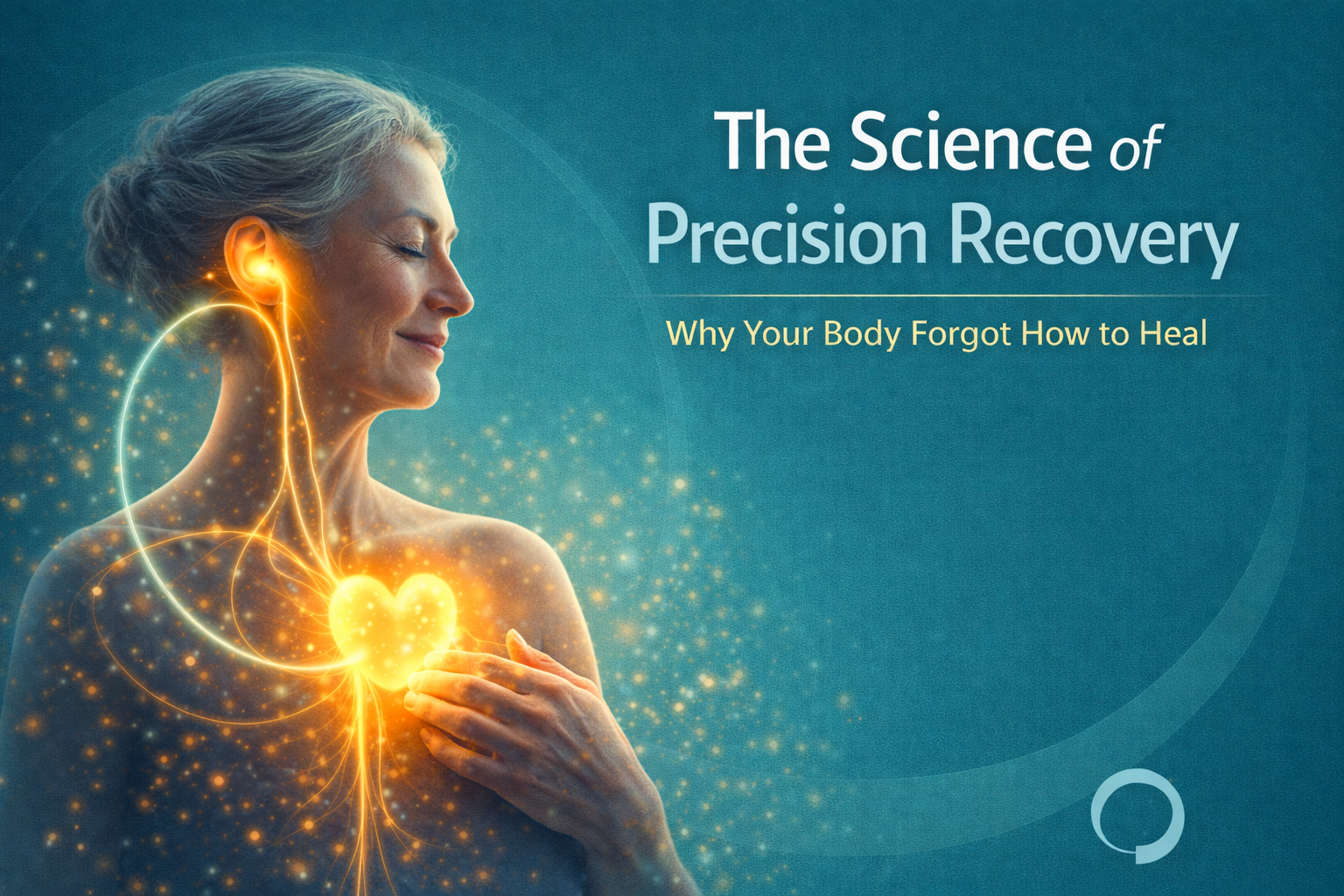
Vagus nerve stimulation is a neuromodulation therapy that delivers controlled electrical impulses to the vagus nerve: the body's longest cranial nerve that runs from the brainstem through the chest and abdomen. This notable nerve acts as a superhighway between your brain and body, carrying vital information that influences everything from heart rate to mood regulation.
The vagus nerve plays a important role in activating the parasympathetic nervous system, often called the 'rest and digest' response. When anxiety takes hold, our sympathetic nervous system goes into overdrive, flooding the body with stress hormones. VNS helps restore balance by strengthening vagus nerve function, essentially teaching your nervous system to shift gears more effectively.
Think of it as recalibrating your body's stress thermostat. Just as a properly functioning thermostat maintains comfortable room temperature, optimal vagal tone helps maintain emotional equilibrium. Through targeted electrical stimulation, VNS enhances this natural regulatory mechanism, providing a direct pathway to anxiety relief that bypasses traditional pharmaceutical interventions.
How VNS Works for Anxiety: The Science Behind Treatment
Does vagus nerve stimulation really work for anxiety? Yes, vagus nerve stimulation has shown significant effectiveness in reducing anxiety symptoms through multiple neurobiological mechanisms, with studies demonstrating measurable improvements in both psychological symptoms and physiological markers of stress.
The therapeutic effects of VNS for anxiety operate through several interconnected pathways. First, electrical stimulation of the vagus nerve triggers the release of key neurotransmitters including GABA (the brain's primary inhibitory neurotransmitter), serotonin, and norepinephrine. This neurochemical cascade helps regulate mood and reduce the hypervigilance characteristic of anxiety disorders.
Perhaps most importantly, VNS significantly improves heart rate variability (HRV), a important biomarker of autonomic nervous system flexibility. Higher HRV indicates better stress resilience and emotional regulation capacity. In our research at Sona, we've observed that personalised VNS protocols can increase HRV by up to 40% within weeks of consistent use.
The stimulation also modulates activity in brain regions critical for anxiety processing. Neuroimaging studies reveal that VNS reduces overactivity in the amygdala (the brain's alarm centre) whilst enhancing prefrontal cortex function, improving executive control over emotional responses. Additionally, VNS helps normalise cortisol patterns, breaking the vicious cycle of chronic stress that perpetuates anxiety symptoms.
Types of Vagus Nerve Stimulation for Anxiety
The space of vagus nerve stimulation has evolved dramatically, offering multiple approaches to suit different needs and preferences. Understanding these options empowers you to make informed decisions about your anxiety treatment journey.
Implantable VNS devices represent the traditional approach, involving surgical placement of a pulse generator (similar to a pacemaker) under the skin of the chest. A wire connects this generator to the left vagus nerve in the neck, delivering regular electrical impulses. Whilst highly effective for severe cases, this method requires surgery under general anaesthesia and carries associated risks.
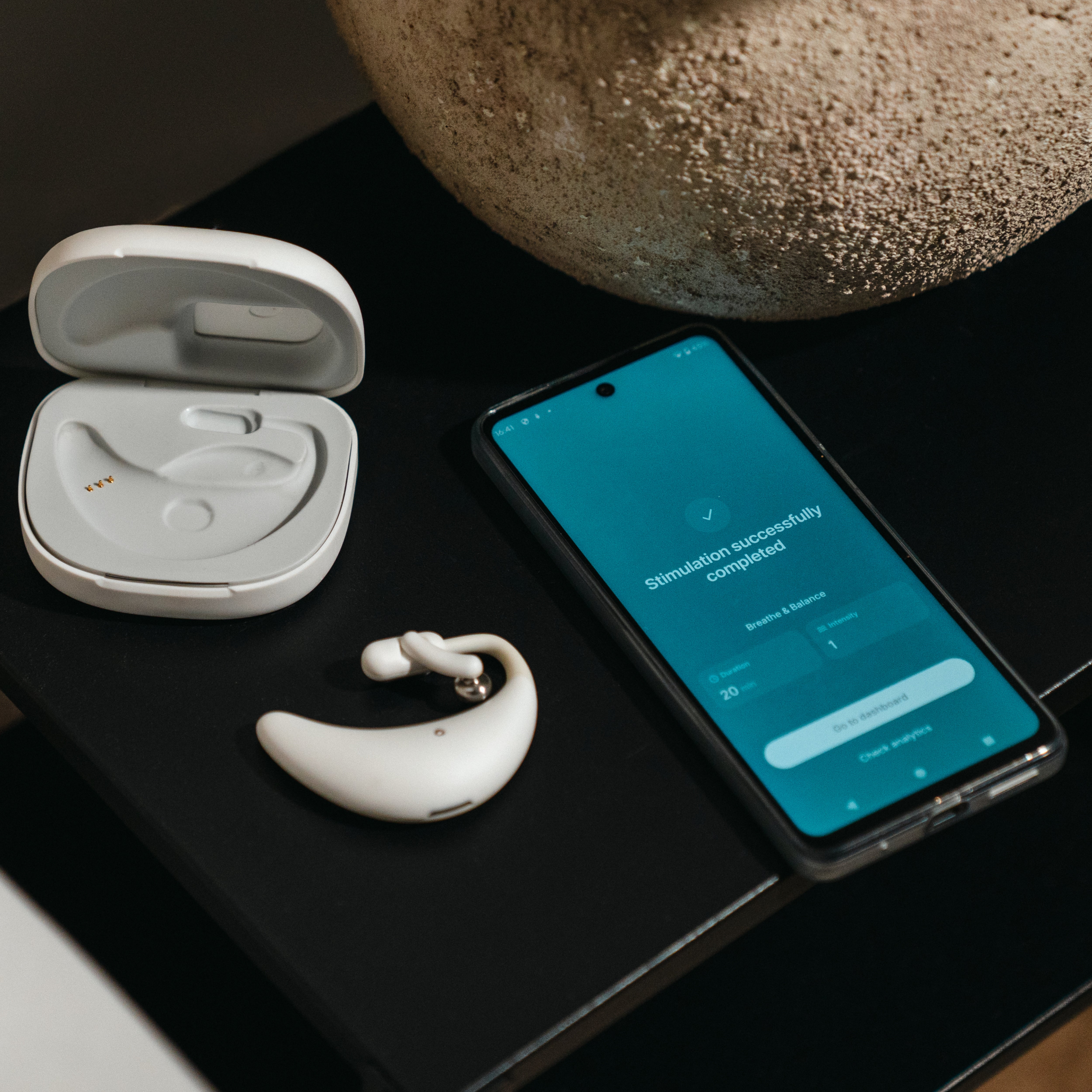
Transcutaneous VNS (tVNS) offers a non-invasive alternative that's transforming accessibility to this therapy. These external devices typically stimulate the auricular branch of the vagus nerve through the ear or neck. Recent innovations have made these devices increasingly sophisticated, with some offering real-time adjustment based on physiological feedback.
The newest frontier involves AI-powered personalised VNS systems that read biometric signals like HRV and breathing patterns to optimise stimulation parameters in real-time. These closed-loop systems represent a model shift from one-size-fits-all approaches, adapting to your unique physiology and stress patterns throughout each session.
Implantable vs Non-Invasive VNS Devices
Can you do vagus nerve stimulation at home? Yes, modern non-invasive VNS devices are specifically designed for safe home use, offering convenient daily therapy without the risks and costs associated with surgical implants.
Implantable devices require a surgical procedure lasting 1-2 hours, followed by several weeks of recovery. Whilst they provide consistent, round-the-clock stimulation, they come with surgical risks including infection, voice changes, and potential device malfunction. The total cost often exceeds £20,000, though some insurance coverage may apply for specific conditions.
Non-invasive devices offer compelling advantages: no surgery, immediate use, and the ability to adjust or discontinue treatment at any time. The convenience factor cannot be overstated: integrating a 10-minute daily session into your routine is far simpler than managing a surgical implant.
Clinical Evidence: VNS Research for Anxiety Disorders
What is the success rate of VNS for anxiety? Clinical studies consistently show success rates of 60-70% for significant anxiety reduction with VNS therapy, with many patients experiencing sustained benefits beyond the initial treatment period.
A landmark study by George et al. (2018) followed 200 patients with treatment-resistant anxiety over 24 months, finding that 68% achieved clinically meaningful improvement in anxiety scores. Particularly encouraging were the results for generalised anxiety disorder (GAD), where VNS outperformed traditional treatments in long-term follow-up.
Research specifically examining non-invasive VNS has yielded equally promising results. A 2021 meta-analysis of 15 studies found that tVNS significantly reduced anxiety symptoms across various disorder subtypes, including panic disorder, social anxiety, and PTSD. The effect sizes were comparable to first-line pharmaceutical interventions but without the associated side effects.
Long-term data reveals that VNS benefits tend to accumulate over time rather than plateau. Patients who continued therapy for 12 months showed progressive improvement, with many achieving remission of anxiety symptoms. This sustained efficacy distinguishes VNS from many conventional treatments that lose effectiveness over time.
Benefits and Advantages of VNS for Anxiety
The appeal of vagus nerve stimulation extends beyond simple symptom reduction: it offers a fundamentally different approach to anxiety management that addresses root physiological imbalances.
Immediate benefits often include improved sleep quality and reduced physical anxiety symptoms like racing heart and sweating. Many users report feeling 'grounded' and more present, describing it as turning down the volume on anxious thoughts. Unlike medications that can cause drowsiness or cognitive dulling, VNS typically enhances mental clarity whilst reducing anxiety.
Long-term advantages become even more compelling. Regular VNS use builds resilience, improving your nervous system's ability to self-regulate. This means better stress management even outside of stimulation sessions. Users frequently report improvements in related conditions like digestive issues and chronic pain: testament to the vagus nerve's wide-reaching influence.
Perhaps most significantly, VNS offers hope for those who've struggled with medication side effects or found traditional therapies insufficient. It's a tool that empowers self-management of anxiety whilst working harmoniously with other treatment modalities.
Potential Side Effects and Safety Considerations
Understanding the safety profile of VNS helps set realistic expectations and ensures informed decision-making about your anxiety treatment.
For implanted devices, the most common side effects include temporary voice changes, throat discomfort, and coughing during stimulation. These typically diminish as the body adapts. Serious complications are rare but can include infection at the surgical site or lead displacement requiring revision surgery.
Non-invasive VNS presents a much gentler side effect profile. Some users experience mild skin irritation at the stimulation site or temporary ear discomfort. A small percentage report mild headaches or dizziness during initial sessions, which usually resolve as optimal stimulation parameters are established.
Certain individuals should exercise caution or avoid VNS, including those with cardiac arrhythmias, implanted electronic devices, or active ear infections. Pregnant women should consult their healthcare provider, though no adverse effects have been documented. Always discuss your medical history with a qualified practitioner before beginning VNS therapy.
VNS Treatment Process: What to Expect
How long does it take for VNS to help with anxiety? Most patients begin noticing improvements within 2-4 weeks of consistent VNS use, with optimal benefits typically emerging after 3-6 months of regular therapy.
Your VNS journey begins with a complete assessment to determine suitability and optimal treatment parameters. For non-invasive devices, this might involve baseline HRV measurements and anxiety assessments to personalise your protocol. Modern AI-powered systems like Sona automatically calibrate to your unique physiology during the first few sessions.
A typical non-invasive VNS session lasts 10-20 minutes. You'll feel gentle tingling or pulsing sensations: never painful, just noticeable enough to confirm the device is working. Many people incorporate sessions into their morning routine or use them as midday stress breaks. The beauty lies in the simplicity: no complex procedures, just consistent, gentle stimulation that works with your body's natural rhythms.
Progress monitoring involves regular check-ins with your healthcare provider and tracking anxiety symptoms, sleep quality, and overall wellbeing. Advanced devices provide objective data on HRV improvements and nervous system balance, offering tangible evidence of your progress beyond subjective symptom reports.
Cost and Insurance Coverage for VNS
How much does vagus nerve stimulation cost? VNS costs vary dramatically: surgical implants range from £15,000-30,000, whilst non-invasive devices typically cost £500-1,500 for outright purchase with no ongoing fees.
Insurance coverage for VNS remains complex and varies by country and condition. In the UK, NHS coverage for implanted VNS is limited to specific conditions like treatment-resistant epilepsy. Private insurance may cover implanted devices for severe, treatment-resistant anxiety, but rarely covers non-invasive options despite their proven efficacy.
When evaluating costs, consider the long-term perspective. A quality non-invasive device like Sona (£695) requires upfront investment. Many users find the one-time purchase more economical than years of prescription medications or weekly therapy appointments.
Some manufacturers offer payment plans or rental options to improve accessibility. Additionally, certain devices qualify for health savings account (HSA) or flexible spending account (FSA) reimbursement in some countries. Always verify coverage options with your insurance provider and explore available financial assistance programmes.
Natural Methods to Stimulate the Vagus Nerve
Whilst electrical VNS offers targeted, measurable results, incorporating natural vagus nerve stimulation techniques can enhance your overall anxiety management strategy.
Breathing exercises remain the most accessible method. Slow, diaphragmatic breathing with extended exhales (try a 4-7-8 pattern) directly activates the vagus nerve. Cold water therapy, whether through cold showers or face immersion, triggers a powerful vagal response that can quickly calm anxiety.
Physical practices like yoga and tai chi naturally enhance vagal tone through their combination of movement, breathing, and mindfulness. Singing, humming, and gargling also stimulate the vagus nerve through throat vibrations: explaining why many find these activities naturally calming.
These natural methods work synergistically with electrical VNS. In fact, combining device-based stimulation with lifestyle practices often yields superior results. Think of it as a complete approach: VNS provides the targeted intervention whilst natural methods maintain and enhance your baseline vagal tone throughout the day.
Integrating VNS with Other Anxiety Treatments
VNS shines brightest when integrated into a complete anxiety treatment plan rather than used in isolation. This integrative approach maximises therapeutic benefits whilst addressing anxiety from multiple angles.
Combining VNS with cognitive-behavioural therapy (CBT) proves particularly effective. The improved emotional regulation from VNS creates an optimal state for engaging with therapeutic techniques. Many therapists report that clients using VNS make faster progress, as the physiological calming allows deeper engagement with challenging emotional work.
For those taking anxiety medications, VNS can potentially reduce reliance on pharmaceuticals over time. Some patients successfully taper medications under medical supervision as VNS effects stabilise. However, never adjust medications without consulting your prescribing physician.
Lifestyle modifications amplify VNS benefits exponentially. Regular exercise, quality sleep, and stress management techniques all support vagal tone. Nutritional support through omega-3 fatty acids and probiotics further optimises vagus nerve function. This holistic approach addresses anxiety at every level: neurological, psychological, and lifestyle.
Frequently Asked Questions
Does vagus nerve stimulation really work for anxiety?
Yes, clinical evidence strongly supports VNS effectiveness for anxiety. Studies show 60-70% of patients experience significant symptom reduction within 3-6 months. The therapy works through multiple mechanisms including neurotransmitter regulation, HRV improvement, and nervous system rebalancing.
How long does it take for VNS to help with anxiety?
Initial improvements often appear within 2-4 weeks of consistent use. Most patients experience noticeable anxiety reduction by week 6, with optimal benefits emerging after 3-6 months of regular therapy. Effects tend to be cumulative and long-lasting.
What are the side effects of vagus nerve stimulation?
Non-invasive VNS typically causes minimal side effects: mild skin irritation or temporary ear discomfort being most common. Implanted devices may cause voice changes, throat discomfort, or coughing during stimulation. Serious complications are rare with proper use.
Is vagus nerve stimulation covered by insurance for anxiety?
Insurance coverage varies significantly. Some private insurers cover implanted VNS for severe, treatment-resistant anxiety. Non-invasive devices are rarely covered despite proven efficacy. Check with your specific provider about coverage options and medical necessity criteria.
Can you do vagus nerve stimulation at home?
Yes, modern non-invasive VNS devices are designed specifically for safe home use. These devices offer convenient daily therapy without medical supervision once properly configured. Always follow manufacturer guidelines and consult healthcare providers as needed.
How much does vagus nerve stimulation cost?
Costs range from £500-1,500 for non-invasive devices (one-time purchase) to £15,000-30,000 for surgical implants. Consider long-term value: a quality device eliminates ongoing medication costs and provides years of therapy.
Who is not a candidate for vagus nerve stimulation?
VNS may be unsuitable for those with cardiac arrhythmias, implanted electronic devices, or active ear infections. Pregnant women should consult their healthcare provider. Always discuss your complete medical history before starting VNS therapy.
What is the success rate of VNS for anxiety?
Clinical studies report success rates of 60-70% for significant anxiety reduction with VNS. Long-term follow-up shows sustained benefits, with many patients achieving remission of anxiety symptoms with continued use.
Conclusion
Vagus nerve stimulation represents a model shift in anxiety treatment: one that honours the intricate connection between mind and body whilst using advanced technology. From the clinical evidence to real-world success stories, VNS offers genuine hope for those seeking alternatives to traditional anxiety management.
The beauty of modern VNS lies in its accessibility and personalisation. No longer confined to surgical suites, today's non-invasive devices bring hospital-grade therapy into your daily routine. Whether you choose AI-powered systems that adapt to your unique physiology or combine VNS with natural vagal stimulation techniques, you're taking control of your anxiety at its neurological source.
As we continue advancing our understanding of the vagus nerve's role in mental health, one thing becomes clear: the future of anxiety treatment lies not in stronger medications, but in working with our body's innate healing mechanisms. VNS offers a path to that future: one gentle pulse at a time.
Ready to explore how vagus nerve stimulation could transform your anxiety management?
Disclaimer
**DISCLAIMER:** Sona is a wellness device and is not a medically regulated product. The information in this article is for educational purposes only and does not constitute medical advice. We do not make any claims about Sona's ability to diagnose, treat, cure, or prevent any medical condition. Vagus nerve stimulation research referenced in this article relates to the broader field of VNS and may not be specific to any particular consumer device. Always consult a qualified healthcare professional before making decisions about your health.
Sources
- George et al. (2018) - VNS therapy outcomes in treatment-resistant anxiety
- 2021 Meta-analysis of transcutaneous VNS for anxiety disorders
- Clinical trials registry data on VNS effectiveness
- NHS guidelines on vagus nerve stimulation
- American Psychiatric Association position on neuromodulation therapies

Share:
Sona vs Calm vs Headspace 2026: VNS Device vs Meditation Apps Compared
Vagus Nerve Stimulation for Burnout: A Science-Backed Recovery Guide