


You can improve HRV naturally through four key methods: coherent breathing (5 breaths per minute), consistent quality sleep (7-9 hours), moderate aerobic exercise, and stress management techniques. Most people see measurable improvements within 2-4 weeks of consistent practice, with breathing exercises showing immediate effects.
Your heart rate variability serves as a window into your autonomic nervous system health, revealing how well your body manages between stress and recovery. Unlike your heart rate itself, HRV measures the subtle variations between heartbeats: a sign of resilience and adaptability. The higher your HRV, the more readily your nervous system shifts gears, moving from fight-or-flight to rest-and-digest modes.
This complete guide explores 11 evidence-based methods to enhance your HRV naturally. From mastering your sleep patterns to using the power of cold exposure, each technique is grounded in scientific research and practical application. Whether you're an athlete seeking better recovery, managing chronic stress, or simply optimising your health, these strategies offer a roadmap to improved autonomic balance.
Key Takeaways
- Coherent breathing at 5 breaths per minute can improve HRV within minutes and create lasting changes with regular practice
- Quality sleep (7-9 hours consistently) is foundational for HRV recovery and autonomic nervous system balance
- Moderate aerobic exercise boosts HRV, whilst overtraining can suppress it: use HRV to guide training intensity
- Vagus nerve stimulation devices offer a direct route to improving HRV through targeted nervous system activation
- Nutrition, hydration, and stress management create the foundation for sustained HRV improvements
Understanding Heart Rate Variability: The Foundation
Heart rate variability measures the time intervals between consecutive heartbeats, expressed in milliseconds. Rather than a perfectly steady rhythm, a healthy heart speeds up and slows down throughout the day, responding to internal and external demands. This variability reflects your autonomic nervous system's flexibility: its ability to balance sympathetic (fight-or-flight) and parasympathetic (rest-and-digest) activation.
The vagus nerve acts as your body's primary brake pedal, comprising 75% of parasympathetic nervous system activity. When functioning optimally, it counterbalances stress responses, promotes recovery, and maintains homeostasis — learn more about the benefits of vagus nerve stimulation. Higher HRV typically indicates strong vagal tone and better overall health, whilst chronically low HRV suggests sympathetic dominance and reduced resilience.
What constitutes a good HRV score varies significantly by age and individual factors. Adults aged 20-25 typically show RMSSD values of 55-105ms, whilst those 60-65 average 25-45ms. However, your personal baseline matters more than population averages. Athletes often display higher HRV due to enhanced cardiovascular fitness, whilst chronic stress, poor sleep, and underlying health conditions can suppress values.
Factors affecting your baseline HRV include genetics, fitness level, stress exposure, sleep quality, and even time of day. Morning measurements provide the most consistent readings, as HRV naturally fluctuates throughout the day. Understanding these patterns helps you interpret changes and track progress as you implement improvement strategies. For a deeper dive into HRV fundamentals, explore our complete heart rate variability guide.
HRV is closely linked to vagus nerve stimulation, since the vagus nerve drives the parasympathetic activity that produces healthy heart rate variation.
Method 1: Master Your Sleep for Optimal HRV
Sleep quality profoundly impacts HRV recovery, with research showing that even one night of poor sleep can suppress values by 15-30%. During deep sleep stages, your parasympathetic nervous system dominates, allowing cellular repair, memory consolidation, and autonomic rebalancing. Without adequate restorative sleep, your body remains in a state of sympathetic activation, compromising recovery and resilience.
The optimal sleep duration for HRV improvement falls between 7-9 hours, though consistency matters more than duration alone. Studies indicate that irregular sleep schedules (varying bedtime by more than 30 minutes) can reduce HRV as much as sleep deprivation itself. Your nervous system thrives on predictability, using circadian rhythms to orchestrate repair processes.
Poor sleep creates a vicious cycle of sympathetic dominance. When sleep-deprived, cortisol remains elevated, inflammation increases, and your vagus nerve struggles to activate properly. This autonomic imbalance persists throughout the following day, affecting everything from glucose regulation to emotional resilience.
Practical sleep optimisation begins with consistent sleep-wake times, even on weekends. Create a cool (15-19°C), dark environment and establish a wind-down routine starting 90 minutes before bed. Limit blue light exposure after sunset, avoid large meals within 3 hours of sleep, and consider magnesium supplementation (200-400mg) to support nervous system relaxation. Track your morning HRV to identify which sleep practices yield the best results for your physiology.
Method 2: Use the Power of Coherent Breathing
Coherent breathing at 5 breaths per minute represents one of the most powerful tools for immediate HRV improvement. This specific rhythm (typically 4 seconds inhale, 6 seconds exhale) creates respiratory sinus arrhythmia, the natural synchronisation between breathing and heart rate. Research by Dr. Richard Gevirtz demonstrates that this pattern optimises baroreceptor sensitivity and enhances vagal tone within minutes.
The science behind this technique involves the resonance between multiple physiological systems. At approximately 0.1 Hz (6 breaths per minute), breathing rate aligns with natural blood pressure oscillations and baroreceptor firing patterns. This coherence amplifies parasympathetic activation, creating a cascade of beneficial effects throughout the autonomic nervous system.
Can breathing exercises improve HRV immediately? Absolutely. Studies show measurable HRV increases within 5-10 minutes of coherent breathing practice. However, the real power lies in consistent training. Daily practice for 10-20 minutes creates lasting changes in baseline HRV, with improvements of 20-50% commonly reported after 8-12 weeks.
Building a sustainable practice requires gradual progression. Start with 5 minutes daily, using a visual pacer or app to maintain rhythm. Focus on smooth, gentle breaths rather than forced deep breathing. The exhale naturally activates parasympathetic response, so emphasising the out-breath enhances effects. As comfort increases, extend sessions to 15-20 minutes, ideally practicing at the same time daily to reinforce the habit.
Advanced practitioners can explore HRV biofeedback, using real-time monitoring to optimise breathing patterns. This creates a powerful feedback loop: as you breathe coherently, you watch HRV increase, reinforcing the neural pathways that support autonomic balance. The key is consistency: think of it as strength training for your nervous system.
Method 3: Strategic Exercise for HRV Enhancement
Exercise creates a fascinating paradox for HRV: acute training temporarily suppresses values, whilst consistent moderate activity enhances baseline HRV over time. This reflects the body's adaptive response: short-term stress followed by enhanced recovery capacity. Understanding this relationship helps optimise training for autonomic health rather than simply pursuing fitness metrics.
Moderate aerobic exercise proves most beneficial for HRV improvement. Activities like brisk walking, cycling at 60-70% maximum heart rate, or swimming for 30-45 minutes stimulate vagal tone without overwhelming recovery systems. Research indicates that zone 2 training (where you can maintain conversation) provides ideal stimulus for autonomic adaptation.
What exercises improve HRV the most? Low-to-moderate intensity activities with rhythmic, repetitive movements show greatest benefits. Yoga, particularly styles emphasising breath coordination, combines movement with parasympathetic activation — many of these overlap with vagus nerve exercises. Tai chi and qigong similarly enhance HRV through mindful movement patterns. High-intensity interval training can improve HRV in well-conditioned individuals but may suppress it in those already stressed.
The overtraining paradox deserves careful attention. Excessive training volume or intensity creates chronic sympathetic activation, suppressing HRV and compromising recovery. Elite athletes use morning HRV measurements to guide training decisions: a 10% drop from baseline suggests need for recovery rather than intense training.
Timing matters significantly. Morning exercise typically shows less HRV suppression than evening sessions, as cortisol naturally peaks early. Post-exercise HRV monitoring reveals recovery speed: faster return to baseline indicates better fitness and autonomic flexibility. Use HRV trends to individualise training: increase intensity when HRV remains stable, reduce load when values decline consistently. This biofeedback approach prevents overtraining whilst maximising adaptive benefits.
Method 4: Advanced Stress Management Techniques
Chronic stress devastates HRV by locking your nervous system in sympathetic overdrive. When stress hormones remain elevated, your vagus nerve (the body's natural recovery mechanism) struggles to activate. This creates allostatic overload, where constant adaptation exhausts physiological reserves. Breaking this cycle requires targeted techniques that directly enhance parasympathetic function.
Meditation and mindfulness practices demonstrate notable effects on vagal tone. A study by Kok et al. (2013) found that loving-kindness meditation increased HRV by enhancing positive emotions and social connections. Even brief 10-minute sessions activate prefrontal regions that regulate autonomic balance. The key lies in consistency rather than duration: daily practice creates cumulative benefits.
Progressive muscle relaxation (PMR) offers a somatic approach to stress reduction. By systematically tensing and releasing muscle groups, you activate parasympathetic response through peripheral feedback mechanisms. Start with 5-second contractions followed by 15-second releases, moving from toes to head. This technique proves particularly effective for those who struggle with traditional meditation.
Building stress resilience through HRV training creates a positive feedback loop. As you practice stress management techniques whilst monitoring HRV, you develop interoceptive awareness: the ability to sense internal physiological states. This awareness allows earlier recognition of stress responses and more effective intervention.
Practical strategies include scheduling "stress breaks" every 90 minutes during work, using box breathing (4-4-4-4 count) during acute stress, and creating evening rituals that signal nervous system wind-down. Consider environmental modifications: reduce information overload, establish boundaries around work communications, and prioritise activities that genuinely restore rather than merely distract. Remember, stress management isn't about eliminating challenges but building capacity to recover efficiently. If anxiety is a primary concern, see our guide on vagus nerve stimulation for anxiety.
Method 5: Nutrition Strategies That Boost HRV
Nutrition profoundly influences HRV through multiple pathways: inflammation modulation, gut-brain axis communication, and metabolic stability. Anti-inflammatory foods support autonomic balance by reducing systemic stress on regulatory systems. The Mediterranean diet pattern, rich in omega-3 fatty acids, polyphenols, and fibre, consistently shows positive associations with HRV in research studies.
Omega-3 fatty acids deserve special attention for HRV enhancement. EPA and DHA, found in fatty fish, directly influence vagal tone through anti-inflammatory mechanisms and cell membrane fluidity. Studies suggest 2-4g daily of combined EPA/DHA can improve HRV within 8-12 weeks. Plant-based sources like flaxseed and walnuts provide ALA, though conversion to active forms remains limited.
What foods increase heart rate variability? Dark leafy greens, berries, fatty fish, nuts, and fermented foods top the list. These foods share common features: high antioxidant content, beneficial fats, and compounds that support gut health. The gut-brain connection proves important: your vagus nerve serves as the primary communication highway between digestive system and brain, making gut health integral to HRV.
Alcohol and caffeine require careful consideration. Whilst moderate coffee consumption (1-2 cups) may not significantly impact HRV in adapted individuals, excess caffeine stimulates sympathetic activation. Alcohol, even in moderate amounts, suppresses HRV during sleep, compromising recovery. Individual tolerance varies significantly: use personal HRV data to determine optimal intake.
Meal timing and blood sugar stability also affect HRV. Large meals, especially high in refined carbohydrates, create metabolic stress that suppresses parasympathetic function. Eating patterns that maintain steady glucose: such as lower glycemic index foods, adequate protein, and avoiding late-night meals: support autonomic balance. Consider time-restricted eating (12-14 hour overnight fast) to enhance metabolic flexibility and HRV recovery during sleep.
Method 6: Cold Exposure and Adaptation
Cold exposure triggers a powerful adaptive response that enhances HRV through hormetic stress: beneficial adaptation to controlled challenges. When exposed to cold, your body initially activates sympathetic response, followed by strong parasympathetic rebound. This pendulation strengthens autonomic flexibility, improving your nervous system's ability to shift between states.
The physiological mechanisms involve multiple systems. Cold water immersion stimulates the diving reflex, immediately activating vagus nerve to slow heart rate and redirect blood flow. Regular cold exposure enhances norepinephrine production, improving focus and mood whilst building stress resilience. Brown fat activation through cold thermogenesis also supports metabolic health, indirectly benefiting HRV.
Gradual progression proves essential for safe, effective cold adaptation. Begin with 30-second cold showers, focusing on calm breathing throughout exposure. Progress to 2-3 minutes over several weeks. Cold water immersion (10-15°C) offers more intense stimulus: start with 1-2 minutes, extending as tolerance builds. Always exit cold exposure feeling invigorated rather than depleted.
Research by Mäkinen et al. Demonstrates that winter swimmers show significantly higher HRV and better stress resilience than controls. The key lies in consistency and respecting individual limits. Some respond brilliantly to cold exposure, whilst others find it overly stressful. Monitor your HRV response: improvement in the hours following cold exposure indicates positive adaptation.
Practical implementation includes morning cold showers (great for circadian rhythm enhancement), post-exercise cold immersion (reduces inflammation whilst maintaining training adaptations), or dedicated cold plunge sessions 2-3 times weekly. Combine with breathing exercises for enhanced effects: the Wim Hof Method exemplifies this combination. Remember, the goal isn't to endure maximum discomfort but to create sustainable practice that enhances resilience.
Method 7: Vagus Nerve Stimulation Technology
Vagus nerve stimulation (VNS) technology offers a direct route to improving HRV by targeting the nervous system's master regulator. Unlike lifestyle interventions that work indirectly, VNS devices apply gentle electrical pulses to activate vagal pathways, creating immediate parasympathetic response. This approach proves particularly valuable for those struggling with chronic stress or autonomic dysfunction.
The science behind VNS reveals sophisticated mechanisms. Electrical stimulation of vagal afferents sends signals to the brainstem's nucleus tractus solitarius, influencing widespread autonomic regulation. Clinical research demonstrates VNS effectiveness for conditions ranging from treatment-resistant depression to inflammatory disorders, highlighting the vagus nerve's central role in mind-body health.
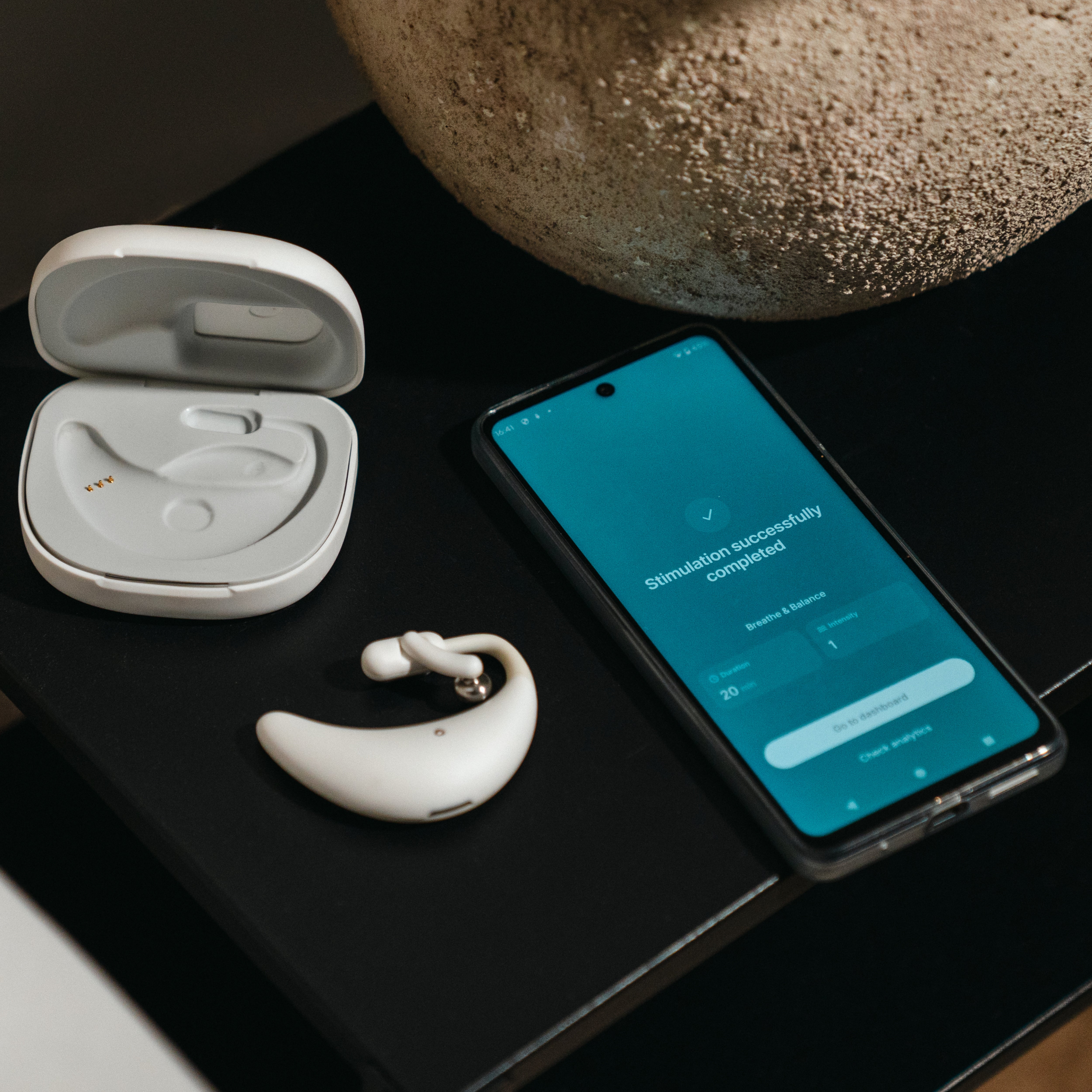
Modern consumer VNS devices have evolved significantly from early medical implants. Non-invasive transcutaneous devices target the auricular branch or cervical vagus through the skin, making this technology accessible for wellness applications. The latest generation incorporates biometric feedback, personalising stimulation parameters based on real-time physiological response.
Here's where innovation becomes important: not all VNS devices work equally. One-size-fits-all approaches ignore individual variability in nerve anatomy, baseline autonomic state, and response patterns. Advanced devices like Sona read your body's signals (HRV, breathing rate, skin conductance) and adapt stimulation accordingly. This closed-loop approach mimics natural vagal activation patterns rather than imposing arbitrary parameters.
Integration with other HRV improvement methods amplifies benefits. Using VNS during breathing exercises enhances parasympathetic activation. Post-exercise VNS sessions may accelerate recovery. Evening use can prepare the nervous system for restorative sleep. The key lies in viewing VNS as part of complete autonomic training rather than standalone solution. As research continues revealing the vagus nerve's influence on inflammation, mood, and metabolic health, targeted stimulation becomes an increasingly valuable tool in the HRV optimisation toolkit.
Method 8: Optimise Hydration and Electrolyte Balance
Hydration status directly impacts HRV through blood volume regulation and autonomic function. Even mild dehydration (2-3% body weight) increases sympathetic activation as your cardiovascular system works harder to maintain blood pressure. This compensatory response suppresses parasympathetic activity, reducing HRV and compromising recovery capacity.
Electrolyte balance proves equally important. Sodium, potassium, and magnesium regulate nerve conduction and muscle function, including cardiac rhythms. Magnesium particularly influences HRV: this mineral activates parasympathetic response and serves as nature's calcium channel blocker. Studies show magnesium supplementation can improve HRV within weeks, especially in those with suboptimal dietary intake.
Optimal hydration requires more than water alone. The timing and composition matter significantly. Morning hydration kickstarts autonomic function after overnight fluid losses. Adding a pinch of quality salt and lemon to morning water enhances absorption and provides trace minerals. Throughout the day, aim for consistent intake rather than large boluses: approximately 30-35ml per kilogram body weight, adjusted for activity and climate.
Practical strategies include monitoring urine colour (pale yellow indicates adequate hydration), weighing before and after exercise to gauge fluid losses, and paying attention to thirst cues rather than forcing excessive intake. Electrolyte needs increase with sweating, stress, and certain dietary patterns (very low carb, intermittent fasting). Consider whole food sources first: leafy greens for magnesium, bananas and avocados for potassium, quality salt for sodium.
Evening hydration requires balance: sufficient to prevent overnight dehydration without disrupting sleep for bathroom visits. Stop large fluid intake 2-3 hours before bed, taking small sips if needed. Monitor morning HRV patterns in relation to hydration habits; many discover that optimal hydration alone improves baseline values by 5-10%.
Method 9: Prioritise Social Connection and Purpose
Social connection profoundly influences HRV through psychophysiological pathways often overlooked in purely biological approaches. Polyvagal theory, developed by Dr. Stephen Porges, explains how our nervous system evolved to prioritise social engagement as a primary survival strategy. Positive social interactions activate the ventral vagal complex, enhancing HRV and promoting physiological calm.
Research reveals striking connections between relationship quality and autonomic health. Couples showing positive interaction patterns display HRV synchrony: their nervous systems literally harmonise. Conversely, social isolation and relationship conflict suppress vagal tone through chronic threat perception. This isn't merely psychological; it's deeply physiological, mediated through the social engagement system.
The neurobiology of purpose and meaning similarly impacts HRV. Studies on eudaimonic wellbeing (living according to values and contributing to something greater) show consistent associations with improved autonomic function. When actions align with deeper purpose, the nervous system shifts from defensive vigilance to growth-oriented states, enhancing parasympathetic activity.
Practical application begins with auditing social connections. Quality matters more than quantity: one deeply supportive relationship outweighs numerous superficial connections. Schedule regular meaningful interactions, whether coffee with a close friend or video calls with distant family. Physical touch, when welcome and appropriate, powerfully activates parasympathetic response through C-tactile afferents.
Cultivating purpose requires reflection and action. Identify activities that create sense of contribution and meaning. This might involve volunteering, creative expression, mentoring, or professional work aligned with values. The key lies in regular engagement with purposeful activities rather than abstract contemplation. Track HRV on days with high social connection or purposeful activity versus isolation: the data often reveals dramatic differences, motivating continued prioritisation of these fundamental human needs.
Method 10: Smart Supplementation for HRV Support
Targeted supplementation can support HRV improvement when addressing specific deficiencies or enhancing adaptation to stress. However, supplements work best as adjuncts to lifestyle interventions rather than replacements. Understanding which compounds genuinely influence autonomic function helps avoid wasteful spending on ineffective products.
Omega-3 fatty acids lead evidence-based HRV supplements. Marine-sourced EPA and DHA influence vagal tone through anti-inflammatory pathways and cell membrane dynamics. Quality matters significantly: oxidised fish oils may worsen inflammation. Look for third-party tested products with 2-4g combined EPA/DHA daily. Algae-based options provide sustainable alternatives for plant-based practitioners.
Adaptogenic herbs show promise for HRV enhancement through stress response modulation. Ashwagandha (600-1000mg standardised extract) demonstrates cortisol-lowering effects and improved HRV in stressed populations. Rhodiola rosea may enhance exercise recovery and autonomic balance. These herbs work gradually: expect 6-8 weeks before assessing impact.
Probiotics represent an emerging frontier in HRV supplementation. The gut-brain axis, largely mediated through vagus nerve, means microbiome health directly influences autonomic function. Strains like Lactobacillus rhamnosus and Bifidobacterium longum show preliminary evidence for vagal tone enhancement. Combined with prebiotic fibres, these create synbiotic effects supporting overall nervous system health.
Critical considerations include timing, interactions, and individual response. Magnesium glycinate (200-400mg) taken evening enhances sleep quality and HRV recovery. B-complex vitamins support nerve function but may interfere with sleep if taken late. Always introduce one supplement at a time, monitoring HRV response over several weeks. What works brilliantly for one person may prove neutral or negative for another. Use supplements strategically to address identified needs rather than following generic protocols.
Method 11: Environmental and Lifestyle Optimisation
Your environment profoundly shapes autonomic function through constant sensory input and circadian signalling. Light exposure, temperature, noise levels, and electromagnetic fields create the backdrop against which your nervous system operates. Optimising these factors removes hidden stressors that suppress HRV whilst enhancing natural regulatory rhythms.
Light exposure timing dramatically impacts HRV through circadian regulation. Morning bright light (10,000 lux for 20-30 minutes) anchors cortisol rhythm and enhances evening parasympathetic activation. Conversely, evening blue light suppresses melatonin and maintains sympathetic arousal. Practical solutions include morning outdoor exposure, bright light devices for dark winters, and amber glasses or screen filters after sunset.
Temperature regulation offers another powerful lever. Slight cool exposure during sleep (bedroom 15-19°C) enhances deep sleep and HRV recovery. Daytime temperature variation (rather than constant climate control) exercises autonomic flexibility. Strategic use of saunas (15-20 minutes at 70-90°C) creates hormetic stress similar to exercise, with post-sauna cooling amplifying parasympathetic rebound.
Electromagnetic hygiene deserves consideration given ubiquitous exposure. Whilst research remains emerging, some individuals show HRV improvements when reducing EMF exposure, particularly during sleep. Simple steps include airplane mode for devices, moving phones away from bed, and unplugging unnecessary electronics. Whether through direct effects or improved sleep quality, these changes may benefit sensitive individuals.
Creating an HRV-supportive lifestyle requires systematic attention to daily rhythms. Consistent meal times support metabolic regulation. Regular nature exposure (even urban parks) enhances parasympathetic activity through attention restoration and phytoncide exposure. Decluttering living spaces reduces cognitive load and subtle stress. Think of environmental optimisation as removing friction from your nervous system's natural regulatory processes. Small changes compound: morning light, cool bedroom, evening digital sunset, weekend nature immersion. Track how environmental modifications influence your HRV patterns to identify highest-impact interventions for your unique physiology.
Tracking Your HRV Improvement Journey
Effective HRV improvement requires consistent measurement and intelligent interpretation of trends rather than fixation on daily values. Your HRV fluctuates naturally based on numerous factors: the key lies in identifying meaningful patterns over weeks and months whilst avoiding anxiety about normal variation.
Choosing appropriate measurement tools impacts data quality significantly. Chest strap monitors provide ECG-quality data ideal for accurate HRV assessment. Wrist-based devices offer convenience but may sacrifice precision, particularly during movement. Smartphone apps using camera-based photoplethysmography provide accessible entry points but require consistent positioning and timing. Whichever tool you choose, consistency in device and measurement protocol matters more than absolute accuracy.
Morning measurements upon waking provide the most standardised conditions for tracking. Your body remains in consistent position, fasted state, and minimal environmental influence. Take 5-minute readings in the same position (seated or supine) before caffeine, movement, or checking messages. This creates reliable baseline for detecting meaningful changes.
Interpreting trends requires patience and context. Expect 20-30% daily variation as normal: your HRV responds to yesterday's activities, last night's sleep, and current recovery state. Weekly averages smooth noise, whilst monthly trends reveal true progress. A 10-20% improvement over 2-3 months indicates successful intervention. Sudden drops often precede illness or overtraining, providing early warning for preventive action.
Creating feedback loops accelerates improvement. Note lifestyle factors alongside HRV readings: sleep quality, exercise, stress levels, nutrition choices. Patterns emerge: perhaps HRV drops after late meals or soars following yoga sessions. This personalised data guides optimisation better than generic recommendations. Consider HRV journaling: brief notes connecting measurements to experiences. Over time, you develop intuitive understanding of your autonomic patterns, using objective data to validate subjective sensations. This integration of measurement and awareness represents the ultimate goal: not obsessive tracking but informed self-regulation.
Frequently Asked Questions
How long does it take to improve HRV?
Most people see initial HRV improvements within 2-4 weeks of consistent practice. Breathing exercises can increase HRV within minutes, whilst lifestyle changes like better sleep and regular exercise typically show measurable results after 2-3 weeks. Significant baseline improvements of 20-50% often occur after 8-12 weeks of dedicated practice combining multiple methods.
What is a good HRV score by age?
HRV naturally decreases with age. For RMSSD values: ages 20-25 typically range 55-105ms, ages 35-40 range 35-65ms, ages 50-55 range 25-45ms, and ages 60-65 average 20-35ms. However, individual baseline matters more than population averages. Athletes and those with excellent cardiovascular health often exceed age norms by 50% or more.
Can you improve HRV quickly?
Yes, certain techniques improve HRV within minutes. Coherent breathing (5-6 breaths per minute) shows immediate effects, often increasing HRV by 50-100% during practice. Cold water face immersion triggers diving reflex for instant vagal activation. However, lasting baseline improvements require consistent practice over weeks to months.
What foods increase heart rate variability?
Foods rich in omega-3 fatty acids (salmon, mackerel, walnuts), antioxidants (berries, dark chocolate), and magnesium (leafy greens, pumpkin seeds) support HRV. Fermented foods enhance gut-brain axis function. Mediterranean diet patterns consistently show positive HRV associations. Avoid processed foods, excess sugar, and trans fats which promote inflammation and suppress vagal tone.
Does coffee affect HRV?
Coffee's impact on HRV varies individually. Moderate consumption (1-2 cups) in regular coffee drinkers shows minimal effect, whilst excessive intake or consumption by sensitive individuals suppresses HRV through sympathetic activation. Timing matters: morning coffee affects HRV less than afternoon consumption. Monitor your personal response and adjust accordingly.
What exercises improve HRV the most?
Moderate aerobic exercise (walking, cycling at 60-70% max heart rate), yoga, tai chi, and swimming show greatest HRV benefits. These activities enhance vagal tone without excessive stress. Zone 2 training for 30-45 minutes optimally balances stimulus and recovery. High-intensity exercise can improve HRV in fit individuals but may suppress it in those already stressed.
Can breathing exercises improve HRV immediately?
Yes, coherent breathing at 5-6 breaths per minute (4 seconds in, 6 seconds out) increases HRV within 5-10 minutes. This specific rhythm creates respiratory sinus arrhythmia, optimising baroreceptor function and vagal activation. Even single sessions show measurable improvements, though regular practice creates lasting baseline changes.
Is low HRV always bad?
Not necessarily. Temporarily low HRV can indicate positive adaptation to training stress or normal response to life challenges. Context matters: low HRV after intense exercise or during illness is expected. Concern arises with chronically suppressed HRV despite adequate recovery, or sudden unexplained drops. Focus on trends rather than single readings, and consider lifestyle factors affecting measurements.
Conclusion
Improving your HRV naturally requires a complex approach that honours your nervous system's complexity. The 11 methods explored (from coherent breathing to environmental optimisation) work synergistically to enhance autonomic balance. Your journey begins with choosing 2-3 techniques that resonate most strongly, implementing them consistently for several weeks before adding others.
Remember, HRV improvement isn't about achieving perfect scores but building resilience and adaptability. Some days will show lower values despite your best efforts: this reflects your nervous system honestly responding to life's demands. The goal is expanding your capacity to manage stress and return to balance, not maintaining artificially high readings.
As you experiment with these methods, let data guide but not dictate your choices. Your subjective experience matters as much as objective measurements. Notice how you feel after cold showers, whether meditation genuinely calms or creates pressure, which exercises leave you energised versus depleted. This self-awareness, combined with HRV tracking, creates powerful feedback for optimisation.
The most profound insight from HRV science is notably simple: your body knows how to heal and regulate when given proper support. These methods remove obstacles and provide resources for natural regulatory processes. Whether through ancient practices like breathing exercises or modern innovations in nervous system stimulation, you're not forcing change but facilitating inherent wisdom. Start today with one small change (perhaps five minutes of coherent breathing) and watch how your nervous system responds with improved balance and resilience.
Ready to take your HRV improvement to the next level? Explore how Sona's personalised nervous system training can accelerate your progress and help you achieve lasting autonomic balance.
Disclaimer
DISCLAIMER: Sona is a wellness device and is not a medically regulated product. The information in this article is for educational purposes only and does not constitute medical advice. We do not make any claims about Sona's ability to diagnose, treat, cure, or prevent any medical condition. Vagus nerve stimulation research referenced in this article relates to the broader field of VNS and may not be specific to any particular consumer device. Always consult a qualified healthcare professional before making decisions about your health.
Sources
- Kok et al. (2013) - Loving-kindness meditation and vagal tone research
- Research by Dr. Richard Gevirtz on coherent breathing and HRV
- Studies by Mäkinen et al. On cold exposure and HRV in winter swimmers
- Dr. Stephen Porges' polyvagal theory


Share:
Dorsal Vagal Shutdown: Signs, Symptoms & How to Recover (2026)
HRV and Stress: What Your Heart Rate Variability Reveals