

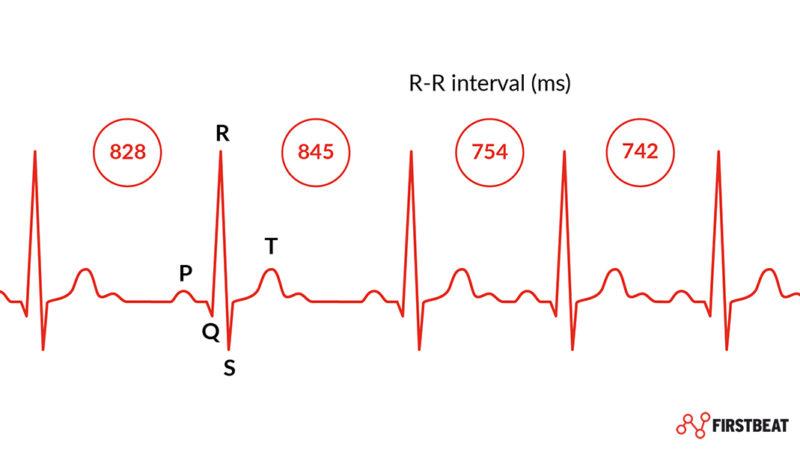
Heart rate variability (HRV) measures the precise variation in time between consecutive heartbeats, serving as a revolutionary window into your autonomic nervous system function. Higher HRV typically indicates better cardiovascular health, stress resilience, and recovery capacity, while lower HRV may signal fatigue, illness, or chronic stress affecting your body's ability to adapt and recover. This complete guide explores everything you need to know about HRV: from the underlying science to practical strategies for improvement.
Key Takeaways
- HRV measures healthy beat-to-beat variation, not heart irregularities, providing a window into autonomic nervous system function
- Higher HRV generally indicates better stress resilience, cardiovascular health, and recovery capacity
- Personal baseline matters more than population averages: track your trends rather than comparing to others
- Morning measurements in consistent conditions provide the most reliable HRV data
- Both chest straps and quality optical sensors can accurately track HRV for different use cases
- Sleep quality, exercise balance, and stress management most significantly impact HRV
- Improving HRV requires patient, consistent application of evidence-based strategies
Quick Summary
- HRV measures beat-to-beat variations, not heart rate irregularities
- Higher HRV generally indicates better health and stress resilience
- Normal HRV ranges vary significantly by age, fitness, and individual factors
- Morning measurements provide the most consistent HRV readings
- Both chest straps and quality wrist devices can accurately track HRV
- Lifestyle factors like sleep, exercise, and stress profoundly impact HRV
- HRV improvement requires consistent, personalised interventions
What Is Heart Rate Variability?
Heart rate variability represents one of the most fascinating windows into your body's inner workings. Despite its name, HRV doesn't measure irregular heartbeats or arrhythmias. Instead, it captures the healthy, natural variation in the precise timing between your heartbeats: a phenomenon that reveals how well your autonomic nervous system adapts to life's constant demands.
Think of your heart not as a metronome keeping perfect time, but as a responsive instrument that subtly adjusts its rhythm with every breath, thought, and movement. When you inhale, your heart rate naturally speeds up slightly. When you exhale, it slows down. This respiratory sinus arrhythmia represents just one layer of the complex variability that healthy hearts display.
The autonomic nervous system orchestrates these beat-to-beat changes through two complementary branches. Your sympathetic nervous system acts as the accelerator, preparing you for action and challenge. Your parasympathetic nervous system, primarily through the vagus nerve, serves as the brake, promoting rest, recovery, and restoration. Higher HRV indicates these systems work in harmonious balance, allowing rapid adaptation to changing circumstances.
Here's the important insight: a healthy heart doesn't beat like clockwork. The millisecond variations between beats reflect your body's notable ability to fine-tune its responses to everything from stress and exercise to digestion and sleep. When chronic stress or illness compromises this variability, your heart beats more rigidly: a pattern associated with reduced resilience and increased health risks.
The Science Behind Heart Rate Variability
The intricate dance of heart rate variability begins in a tiny cluster of cells called the sinoatrial node, your heart's natural pacemaker. This notable structure doesn't operate in isolation: it constantly receives and integrates signals from your autonomic nervous system, creating the beat-to-beat variations we measure as HRV.
Your vagus nerve plays the starring role in this physiological symphony. As the longest cranial nerve, it carries parasympathetic signals from your brain to your heart, releasing acetylcholine that slows the heart rate and increases variability. The speed and efficiency of this vagal influence (often called vagal tone) largely determines your HRV. Stronger vagal tone means more responsive parasympathetic control and typically higher HRV.
Scientists measure HRV using two primary approaches: time domain and frequency domain analysis. Time domain metrics like RMSSD (root mean square of successive differences) and SDNN (standard deviation of normal-to-normal intervals) quantify the overall amount of variability. RMSSD specifically captures short-term, parasympathetically-mediated changes, making it particularly useful for daily HRV tracking. The pNN50 represents the percentage of successive heartbeat intervals that differ by more than 50 milliseconds: another window into vagal function.
Frequency domain analysis reveals even deeper insights by decomposing HRV into different frequency bands. High-frequency power (0.15-0.4 Hz) reflects parasympathetic activity and respiratory influences. Low-frequency power (0.04-0.15 Hz) captures both sympathetic and parasympathetic contributions. The LF/HF ratio supposedly indicates sympathovagal balance, though this interpretation remains controversial among researchers.
Respiratory sinus arrhythmia deserves special attention as the most prominent source of HRV in healthy individuals. As you breathe, pressure changes in your chest cavity trigger the baroreceptor reflex, creating rhythmic heart rate oscillations. This elegant coupling between breathing and heart rate represents one of your body's fundamental regulatory mechanisms.
Deep dive: Learn about advanced vagus nerve function and its role in autonomic regulation in our complete guide to The Complete Guide to Vagus Nerve Stimulation
Why Heart Rate Variability Matters for Your Health
Heart rate variability serves as a notable biomarker that reflects your body's capacity to handle stress and maintain homeostasis. Research consistently demonstrates that higher HRV correlates with better health outcomes across multiple domains, from cardiovascular resilience to mental wellbeing.
The connection between HRV and stress resilience runs particularly deep. When you face acute stress, a flexible autonomic nervous system (reflected in higher baseline HRV) allows rapid mobilisation followed by efficient recovery. Conversely, chronically low HRV suggests your system remains stuck in sympathetic overdrive, struggling to activate the restorative parasympathetic response. This autonomic inflexibility underlies many stress-related health conditions.
Cardiovascular health and HRV share an intimate relationship. Multiple large-scale studies have identified low HRV as an independent predictor of cardiovascular mortality. The Framingham Heart Study, for instance, found that individuals in the lowest HRV quartile faced significantly increased risk of cardiac events. This makes intuitive sense: a heart that can't vary its rhythm appropriately lacks the adaptability needed for optimal function.
Your immune system also depends on healthy autonomic balance. The cholinergic anti-inflammatory pathway, mediated by the vagus nerve, helps regulate inflammation throughout your body. When HRV drops, this anti-inflammatory mechanism weakens, potentially contributing to chronic inflammatory conditions. Research links low HRV to elevated inflammatory markers like C-reactive protein and interleukin-6.
Mental health implications of HRV have garnered increasing attention. Studies consistently find reduced HRV in conditions like anxiety, depression, and post-traumatic stress disorder. This bidirectional relationship suggests that improving HRV might support mental health, while addressing psychological stress could enhance HRV: creating a positive feedback loop of wellbeing.
For athletes and fitness enthusiasts, HRV provides invaluable insights into training readiness and recovery status. A dropping HRV often signals accumulated fatigue before performance decrements become apparent. Many elite athletes now use HRV-guided training, adjusting workout intensity based on daily autonomic status to optimise adaptation while preventing overtraining.
Deep dive: Explore the intricate relationship between HRV and stress in our detailed guide HRV and Stress: What Your Heart Rate Variability Reveals
Understanding Normal HRV Ranges and Values
The question "What's a good HRV?" doesn't have a simple answer because heart rate variability varies dramatically between individuals and changes predictably across the lifespan. Your optimal HRV depends on age, genetics, fitness level, and numerous other factors: making personal baselines more meaningful than population averages.
Age represents the most significant demographic factor affecting HRV. Young adults typically display the highest values, with RMSSD often ranging from 40-80 milliseconds. As we age, HRV naturally declines: a 60-year-old might have half the HRV of a 20-year-old. This age-related decrease reflects reduced autonomic flexibility and explains why establishing age-specific reference ranges proves essential.
Gender differences in HRV follow interesting patterns. Premenopausal women often show slightly lower average HRV than age-matched men, but this difference diminishes or reverses after menopause. Hormonal fluctuations during the menstrual cycle create predictable HRV variations, with values typically lowest during menstruation and highest around ovulation. Understanding these patterns helps women interpret their HRV data more accurately.
Fitness level profoundly influences HRV baselines. Endurance athletes frequently display RMSSD values exceeding 100 milliseconds: sometimes reaching 150-200ms in elite performers. This enhancement reflects training-induced improvements in vagal tone and cardiovascular efficiency. However, more isn't always better; extremely high HRV occasionally indicates overtraining or bradycardia requiring medical evaluation.
Rather than fixating on absolute values, focus on your personal baseline and trends. A consistent 30ms RMSSD might be perfectly healthy for one person while indicating compromised function in another. Most experts recommend establishing your baseline over 2-4 weeks of consistent morning measurements, then monitoring for significant deviations.
When should low HRV concern you? Acute drops often reflect temporary stressors like illness, poor sleep, or training fatigue: usually resolving with appropriate recovery. Persistently low HRV that doesn't respond to lifestyle interventions warrants medical consultation, as it might indicate underlying health issues requiring professional assessment.
How to Measure Heart Rate Variability
Accurate HRV measurement requires understanding both the technology and the methodology. While medical-grade electrocardiogram (ECG) remains the gold standard, consumer devices have made HRV tracking accessible to everyone: provided you follow best practices for reliable data.
Timing matters enormously for HRV measurement. Your autonomic nervous system responds to everything from caffeine and meals to stress and physical activity, creating substantial variability throughout the day. Morning measurements, taken immediately after waking but before getting out of bed, provide the most standardised conditions. This timing minimises confounding factors while capturing your baseline autonomic state.
Consistency in measurement conditions proves equally important. Measure in the same position (usually supine or seated), at the same time, in a quiet environment. Even small changes (like measuring after checking stressful emails versus before) can significantly affect results. Many HRV apps now provide measurement reminders and environmental prompts to support consistency.
Measurement duration influences accuracy, with longer recordings generally providing more reliable data. While some devices offer 60-second ultra-short measurements, 2-5 minute recordings better capture the full spectrum of heart rate variability. For frequency domain analysis, at least 5 minutes of clean data becomes necessary. Balance practicality with precision based on your goals.
Environmental factors can significantly impact readings. Temperature extremes, noise, bright lights, and electromagnetic interference all potentially affect HRV. Create a calm, comfortable measurement environment. Some users find that consistent breathing during measurement (such as 6 breaths per minute) helps standardise readings, though this arguably measures respiratory sinus arrhythmia more than baseline HRV.
Interpreting HRV trends requires patience and context. Daily fluctuations are normal and expected; focus instead on weekly and monthly patterns. A single low reading might mean nothing, but consistently declining values over a week suggest accumulated stress or inadequate recovery. Most HRV platforms now provide trend analysis and contextual interpretation to help users understand their data meaningfully.
Best HRV Apps and Monitoring Devices
The explosion of HRV monitoring options can overwhelm newcomers. Understanding the strengths and limitations of different devices helps you choose the right tool for your needs and budget. Accuracy, convenience, and actionable insights should guide your selection.
Chest strap monitors represent the most accurate consumer option, detecting electrical signals directly from your heart. Polar H10 and Wahoo TICKR X lead this category, providing ECG-quality data that satisfies even researchers. These devices excel for dedicated HRV measurements but prove less convenient for continuous monitoring. Pair them with apps like Elite HRV or Kubios HRV for complete analysis.
Wrist-based devices offer unmatched convenience for 24/7 monitoring. The Oura Ring pioneered accurate optical HRV measurement, using infrared sensors to detect pulse wave variations. Whoop focuses entirely on recovery metrics, providing detailed HRV analysis with training recommendations. Apple Watch, particularly Series 4 and later, delivers surprisingly accurate HRV data through its built-in Health app, though third-party apps like HRV4Training unlock deeper insights.
Standalone HRV apps deserve consideration for budget-conscious users. HRV4Training uses your smartphone's camera to measure HRV through photoplethysmography: place your finger over the camera for 60 seconds each morning. While less accurate than dedicated sensors, validation studies show acceptable agreement with ECG for trend monitoring.
Integration capabilities matter for serious trackers. Platforms like Elite HRV and HRV4Training aggregate data from multiple devices while layering in subjective metrics like sleep quality and stress levels. This holistic approach helps identify patterns between lifestyle factors and HRV changes. Some apps now incorporate machine learning to provide personalised recommendations based on your historical data.
Cost-benefit analysis depends on your goals. Casual users might start with smartphone apps or use existing fitness trackers. Serious athletes often invest in chest straps for pre-workout readiness assessments combined with wearables for continuous monitoring. Remember that the best HRV device is the one you'll use consistently: accuracy means nothing without adherence.
Deep dive: Compare the top HRV tracking devices and find the perfect match for your needs in our complete comparison guide Best HRV Tracking Devices Compared (2026 Guide)
Factors That Affect Your Heart Rate Variability
Understanding what influences your HRV empowers you to interpret readings accurately and make informed lifestyle adjustments. The factors affecting heart rate variability range from immediate influences like last night's sleep to long-term elements like chronic stress and fitness level.
Sleep quality and duration profoundly impact next-morning HRV. Deep sleep stages facilitate parasympathetic recovery, directly enhancing HRV. Conversely, sleep deprivation, frequent awakenings, or sleep apnoea suppress HRV sometimes for multiple days. Alcohol before bed particularly disrupts sleep architecture and autonomic recovery, often causing dramatic HRV reductions that serve as powerful biofeedback about drinking's true physiological cost.
Physical activity creates complex HRV responses. Acute intense exercise temporarily suppresses HRV as your body mobilises resources for recovery. This post-exercise reduction typically resolves within 24-72 hours, depending on workout intensity and your fitness level. Conversely, consistent moderate exercise enhances baseline HRV over time by improving cardiovascular efficiency and vagal tone. The key lies in balancing training stress with adequate recovery.
Nutritional factors subtly but significantly influence HRV. Dehydration reduces blood volume, forcing compensatory autonomic adjustments that lower HRV. Large meals, especially those high in processed foods, trigger extended digestive demands that can suppress HRV for hours. Conversely, anti-inflammatory foods rich in omega-3 fatty acids support autonomic function. Even meal timing matters: late-night eating often impairs overnight HRV recovery.
Psychological stress exerts perhaps the most variable effects on HRV. Acute stressors like public speaking or arguments cause immediate HRV suppression that typically rebounds quickly in resilient individuals. Chronic stress proves more insidious, creating persistent autonomic imbalance reflected in consistently lowered HRV. Notably, even anticipated stress (worrying about tomorrow's presentation) can reduce tonight's HRV.
Environmental factors often go unrecognised but significantly impact HRV. Temperature extremes force autonomic adjustments; both hot and cold environments can acutely lower HRV. Air quality matters too: pollution exposure correlates with reduced HRV in urban populations. Electromagnetic fields from devices remain controversial, though some individuals report HRV improvements when minimising bedroom electronics.
Medications and substances create predictable HRV changes. Beta-blockers directly reduce HRV by dampening autonomic responses. Stimulants like caffeine temporarily suppress HRV, while cannabis produces variable effects depending on dose and individual response. Understanding these influences helps distinguish substance effects from underlying health changes.
HRV vs Resting Heart Rate: Understanding the Difference
The relationship between heart rate variability and resting heart rate often confuses newcomers, yet understanding their distinct roles provides complementary insights into cardiovascular health. While both metrics emerge from cardiac function, they reflect fundamentally different physiological processes.
Resting heart rate simply counts heartbeats per minute during rest, typically ranging from 60-100 bpm in adults. Lower values generally indicate better cardiovascular fitness, as efficient hearts pump more blood per beat. Elite endurance athletes often display resting rates below 50 bpm. However, this single number reveals nothing about your autonomic nervous system's dynamic responsiveness.
Heart rate variability, conversely, ignores the average rate to focus on beat-to-beat timing variations. You could maintain a steady 60 bpm average while displaying either high variability (indicating responsive autonomic function) or low variability (suggesting autonomic rigidity). This distinction explains why HRV provides unique health insights beyond traditional vital signs.
The relationship between these metrics proves complex and somewhat paradoxical. Generally, lower resting heart rates correlate with higher HRV: both reflecting enhanced vagal tone. However, numerous exceptions exist. Overtraining can simultaneously lower heart rate while suppressing HRV. Conversely, anxiety might elevate heart rate while also reducing variability. These patterns demonstrate why monitoring both metrics provides a fuller picture.
Practical implications for health monitoring become clear when tracking both measures. Resting heart rate responds quickly to fitness changes, making it useful for tracking cardiovascular adaptations. HRV better reflects overall recovery status and stress resilience. Many athletes find that HRV changes precede heart rate responses: dropping HRV often signals emerging fatigue before resting heart rate elevates.
For optimal health insights, monitor both metrics but interpret them differently. Use resting heart rate for long-term fitness trends and acute illness detection (fever typically elevates heart rate). Rely on HRV for recovery guidance, stress management, and training readiness. Together, they provide complementary windows into your cardiovascular and autonomic health.
Using HRV for Athletic Performance and Recovery
Heart rate variability has transformd how athletes approach training, providing objective data about recovery status and adaptation to training stress. This physiological feedback enables more precise programming than traditional metrics alone, helping athletes optimise performance while avoiding overtraining.
The fundamental principle underlying HRV-guided training recognises that adaptation occurs during recovery, not during exercise itself. When HRV remains suppressed following intense training, it signals incomplete recovery: pushing hard during this vulnerable state often leads to stagnation or regression rather than improvement. Conversely, elevated HRV suggests your body has successfully adapted and stands ready for the next challenge.
Practical implementation typically involves establishing baseline HRV over several weeks, then adjusting daily training based on deviations. A common approach uses traffic light systems: green (normal/high HRV) means train as planned, yellow (slightly suppressed) suggests reducing intensity or volume, and red (significantly low) mandates rest or active recovery. This responsive programming prevents the accumulation of fatigue that derails training cycles.
Periodisation strategies increasingly incorporate HRV data. During high-volume training blocks, temporary HRV suppression is expected and even desired: it confirms sufficient training stimulus. The key lies in monitoring recovery between blocks. Successful athletes often display a "supercompensation" pattern where HRV rebounds above baseline following appropriate recovery, indicating positive adaptation.
Team sports present unique HRV applications. Professional football and basketball teams now monitor player HRV to individualise training loads and predict injury risk. Players displaying persistently suppressed HRV face elevated injury probability, prompting preventive interventions. This personalised approach recognises that athletes respond differently to identical training stimuli based on factors like genetics, stress, and recovery capacity.
Endurance athletes particularly benefit from HRV monitoring given their high training volumes. Marathon runners and triathletes use HRV to fine-tune taper strategies, ensuring they arrive at competition fully recovered yet maintaining fitness. Some even adjust race pacing based on morning HRV readings, recognising that autonomic status influences sustainable intensity.
How to Improve Your Heart Rate Variability Naturally
Improving heart rate variability requires a complex approach targeting the various systems that influence autonomic balance. The most effective strategies combine immediate interventions with long-term lifestyle modifications, creating sustainable enhancement of your body's adaptive capacity.
Breathing exercises represent the most immediate and powerful tool for HRV enhancement. Slow, diaphragmatic breathing at 4-6 breaths per minute maximises respiratory sinus arrhythmia, directly stimulating vagal activity. This resonance frequency breathing creates immediate HRV improvements that, with consistent practice, translate to lasting baseline elevations. Even 5-10 minutes daily can produce measurable changes within weeks.
Physical exercise, when properly balanced with recovery, serves as a cornerstone of HRV improvement. Moderate aerobic exercise enhances vagal tone over time, while high-intensity interval training provides powerful autonomic challenges that drive adaptation. The key lies in appropriate progression and recovery: pushing through persistently low HRV typically backfires. Zone 2 endurance training proves particularly effective for building the aerobic base that supports autonomic function.
Sleep optimisation often yields the most dramatic HRV improvements. Prioritising 7-9 hours of quality sleep, maintaining consistent sleep-wake times, and creating optimal sleep environments (cool, dark, quiet) facilitates the parasympathetic recovery that enhances HRV. Addressing sleep disorders like apnoea can transform chronically suppressed HRV. Even simple changes like avoiding screens before bed significantly impact overnight autonomic recovery.
Stress management techniques directly target the sympathetic overdrive that suppresses HRV. Meditation, particularly mindfulness and loving-kindness practices, demonstrates consistent HRV benefits in research studies. Progressive muscle relaxation, yoga, and tai chi combine movement with parasympathetic activation. The key involves regular practice: sporadic stress management provides minimal lasting benefit.
Nutritional strategies support HRV through multiple pathways. Anti-inflammatory diets rich in omega-3 fatty acids, polyphenols, and whole foods enhance autonomic function. Adequate hydration maintains blood volume necessary for optimal HRV. Some find that time-restricted eating improves HRV by allowing extended digestive rest. Limiting alcohol proves important, as even moderate consumption significantly suppresses overnight HRV.
Cold exposure, whether through cold showers, swimming, or dedicated protocols, provides hormetic stress that enhances autonomic resilience. Regular cold exposure improves vagal tone and HRV responsiveness, though acute exposure temporarily suppresses HRV. Start gradually with 30-second cold shower finishes, progressing based on adaptation and comfort.
Deep dive: Discover complete, science-backed strategies in our detailed guide on How to Improve HRV Naturally: 11 Proven Methods
Frequently Asked Questions
What is a good heart rate variability score for my age?
HRV varies significantly with age, making age-specific ranges more meaningful than absolute values. Young adults (20-30) typically show RMSSD values of 40-80ms, while those over 60 might range from 15-35ms. However, individual baseline matters more than population averages: consistently tracking your personal HRV provides the most valuable insights. Elite athletes often display values exceeding 100ms regardless of age, demonstrating how fitness can offset age-related decline.
How often should I measure my heart rate variability?
Daily morning measurements provide the most valuable HRV data for tracking trends and guiding decisions. Measure immediately after waking, before checking phones or consuming caffeine, in a consistent position. While some enthusiasts take multiple daily readings, this rarely adds actionable insight and can promote unhealthy fixation. Weekly averages and monthly trends matter more than daily fluctuations. During specific training blocks or health challenges, twice-daily measurements might help capture recovery dynamics.
Why is my HRV lower than average for my age group?
Lower-than-average HRV can reflect numerous factors including chronic stress, poor sleep quality, dehydration, overtraining, or underlying health conditions. Genetics also play a significant role: some healthy individuals naturally display lower HRV. Rather than comparing to population averages, focus on improving your personal baseline through consistent sleep, appropriate exercise, stress management, and proper nutrition. If HRV remains persistently low despite lifestyle optimisation, consider consulting a healthcare provider.
Can stress really affect heart rate variability that much?
Psychological stress profoundly impacts HRV, often more than physical stressors. Acute stress immediately suppresses HRV by activating sympathetic responses and withdrawing parasympathetic activity. Chronic stress proves even more detrimental, creating persistent autonomic imbalance reflected in consistently lowered HRV. Research shows that even anticipated stress (worrying about future events) reduces HRV. This sensitivity makes HRV valuable for stress monitoring but also highlights the importance of stress management for autonomic health.
What's the difference between HRV and heart rate?
Heart rate measures beats per minute while HRV measures the variation in timing between those beats. You could maintain a steady 60 bpm while having either high HRV (healthy beat-to-beat variation) or low HRV (metronomic regularity). HRV reflects autonomic nervous system flexibility: your body's ability to adapt to changing demands. This explains why HRV provides unique health insights beyond traditional vital signs and why both metrics offer complementary information about cardiovascular function.
Is higher HRV always better?
While higher HRV generally indicates better health, extremes in either direction warrant attention. Abnormally high HRV occasionally signals arrhythmias or overtraining syndrome in athletes. Context matters enormously: acute HRV elevation during illness might reflect autonomic dysfunction rather than improvement. Focus on optimising your personal range rather than maximising absolute values. Consistency and appropriate response to stressors matter more than achieving the highest possible numbers.
How quickly can I improve my HRV?
HRV responds on multiple timescales. Immediate improvements occur with resonance breathing or acute stress relief. Consistent lifestyle changes typically yield measurable baseline improvements within 2-4 weeks. Substantial, lasting enhancement often requires 2-3 months of sustained healthy habits. Factors like baseline fitness, age, and initial HRV influence improvement rate. Patience proves essential: focus on consistent implementation of HRV-supporting practices rather than rapid changes.
Which HRV metric should I track - RMSSD, SDNN, or pNN50?
For daily tracking, RMSSD (root mean square of successive differences) provides the most reliable and actionable metric. It primarily reflects parasympathetic activity, responds sensitively to recovery status, and requires shorter measurement periods than other metrics. SDNN captures overall variability but needs longer recordings and reflects both sympathetic and parasympathetic influences. Most consumer HRV apps wisely emphasise RMSSD, though researchers might track multiple metrics for complete assessment.
Conclusion
Heart rate variability stands as one of the most valuable biometrics for understanding your body's resilience and adaptive capacity. By measuring the subtle variations between heartbeats, HRV reveals how well your autonomic nervous system responds to life's demands: from daily stressors to training loads.
This complete guide has explored the science underlying HRV, practical measurement strategies, and evidence-based approaches to enhancement. The key insight remains consistent: HRV reflects your body's flexibility in maintaining balance between stress and recovery. Higher variability generally indicates a system that adapts efficiently to challenges while maintaining the capacity to rest and restore.
Your HRV journey should begin with establishing a personal baseline through consistent morning measurements. Choose a monitoring method that fits your lifestyle: whether that's a chest strap for precision, a wearable for convenience, or a smartphone app for accessibility. Focus on long-term trends rather than daily fluctuations, using the data to guide decisions about training, recovery, and stress management.
Remember that improving HRV isn't about achieving the highest possible numbers but optimising your personal range. The strategies that enhance HRV (quality sleep, balanced exercise, stress management, and proper nutrition) coincidentally represent the foundations of overall health. In this way, HRV serves not just as a metric but as a guide toward more balanced, resilient living.
Ready to take your HRV optimisation to the next level? Discover how Sona's AI-powered vagus nerve stimulation can enhance your heart rate variability through personalised, adaptive sessions that work with your body's unique rhythms. Learn more about the science behind Sona and how it can support your journey to better autonomic health.
References
- Task Force of the European Society of Cardiology and the North American Society of Pacing and Electrophysiology (1996). Heart rate variability: standards of measurement, physiological interpretation and clinical use. Circulation, 93(5), 1043-1065.
- Shaffer, F., & Ginsberg, J. P. (2017). An Overview of Heart Rate Variability Metrics and Norms. Frontiers in Public Health, 5, 258.
- Thayer, J. F., Yamamoto, S. S., & Brosschot, J. F. (2010). The relationship of autonomic imbalance, heart rate variability and cardiovascular disease risk factors. International Journal of Cardiology, 141(2), 122-131.
- Laborde, S., Mosley, E., & Thayer, J. F. (2017). Heart Rate Variability and Cardiac Vagal Tone in Psychophysiological Research – Recommendations for Experiment Planning, Data Analysis, and Data Reporting. Frontiers in Psychology, 8, 213.
- Kemp, A. H., Quintana, D. S., Gray, M. A., Felmingham, K. L., Brown, K., & Gatt, J. M. (2010). Impact of depression and antidepressant treatment on heart rate variability: a review and meta-analysis. Biological Psychiatry, 67(11), 1067-1074.
- Plews, D. J., Laursen, P. B., Stanley, J., Kilding, A. E., & Buchheit, M. (2013). Training adaptation and heart rate variability in elite endurance athletes: opening the door to effective monitoring. Sports Medicine, 43(9), 773-781.
- Young, H. A., & Benton, D. (2018). Heart-rate variability: a biomarker to study the influence of nutrition on physiological and psychological health? Behavioural Pharmacology, 29(2-3), 140-151.
Sources
- https://www.ncbi.nlm.nih.gov/pmc/articles/PMC5624990/
- https://www.frontiersin.org/articles/10.3389/fpubh.2017.00258/full
- https://www.sciencedirect.com/science/article/abs/pii/S0167527309001958
- https://www.frontiersin.org/articles/10.3389/fpsyg.2017.00213/full





Share:
Window of Tolerance: How to Expand Yours for Better Emotional Regulation
Dorsal Vagal Shutdown: Signs, Symptoms & How to Recover (2026)