

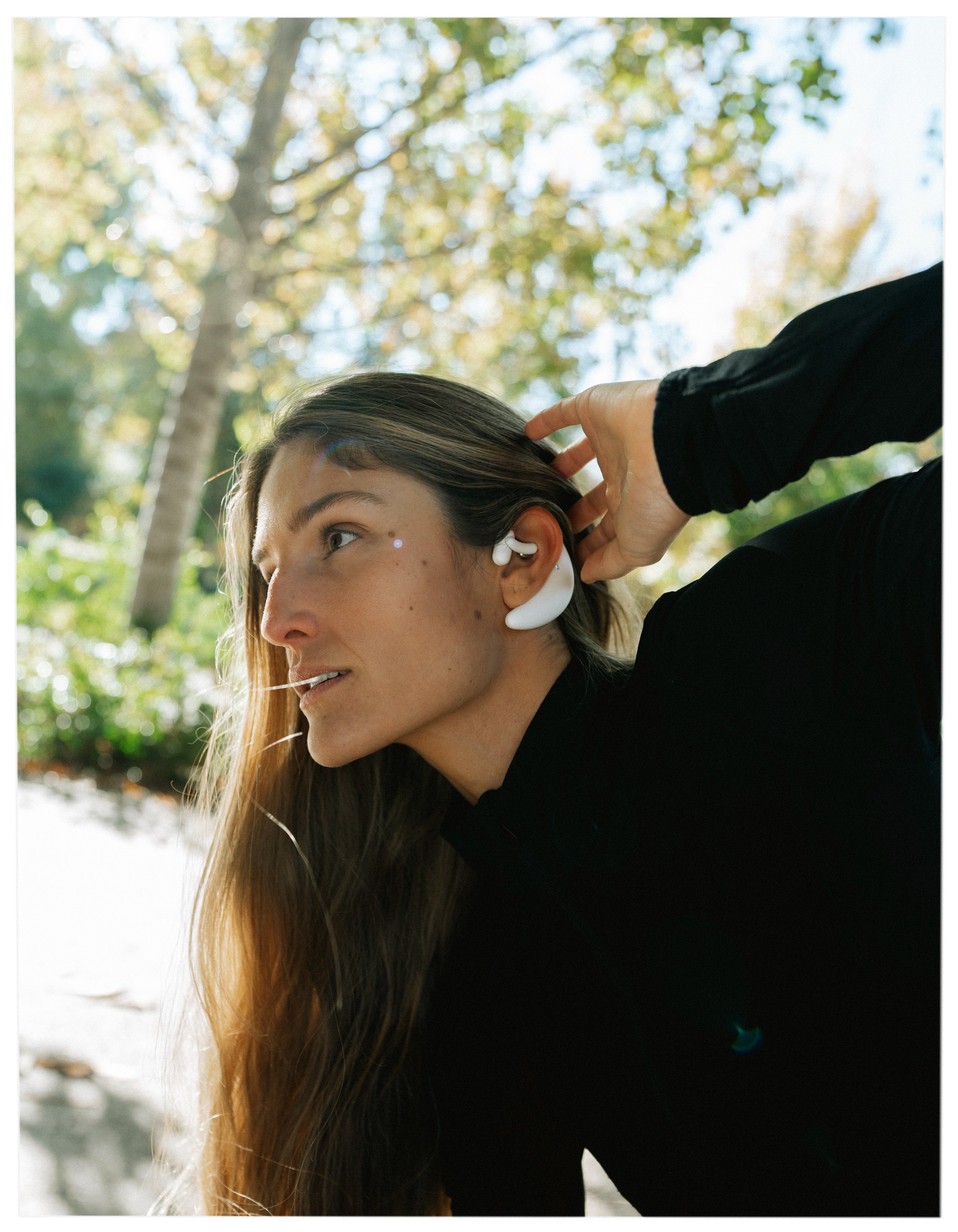
Vagus nerve stimulation (VNS) is a medical treatment that sends mild electrical pulses to the brain through the vagus nerve: the body's longest cranial nerve that connects the brain to major organs. Originally developed for epilepsy treatment in the 1990s, VNS has evolved into a versatile therapy for conditions ranging from depression to inflammatory disorders, with both invasive surgical implants and non-invasive devices now available.
The growing interest in VNS reflects a broader shift towards bioelectronic medicine: using the body's own electrical pathways to treat disease. With over 100,000 people worldwide using VNS devices and emerging research showing promise for conditions like anxiety, PTSD, and even long COVID, understanding this technology has never been more important.
This complete guide covers everything you need to know about vagus nerve stimulation: the science behind how it works, different types of VNS devices, medical applications, benefits, risks, and what the latest research tells us about its effectiveness. Whether you're considering VNS therapy, researching treatment options, or simply curious about this fascinating intersection of neuroscience and technology, you'll find the answers here.
Key Takeaways
- VNS is an established therapy that uses electrical impulses to stimulate the vagus nerve, with FDA approvals for epilepsy, depression, and cluster headaches
- Two main approaches exist: invasive (surgically implanted) devices for severe conditions and non-invasive options for milder symptoms or those preferring to avoid surgery
- Benefits extend beyond primary conditions to include improved mood, better sleep, enhanced cognitive function, and reduced inflammation
- Side effects are generally mild and manageable, with voice changes being the most common for implanted devices
- Success rates vary but improve over time: 40-50% for epilepsy, up to 65% for depression at 5 years
- Emerging technologies including AI-powered personalisation and closed-loop systems promise more effective and accessible treatments
- VNS represents a model shift toward bioelectronic medicine: using the body's electrical systems rather than pharmaceuticals alone
Quick Summary
- VNS uses electrical impulses to stimulate the vagus nerve, influencing brain chemistry and nervous system function
- Two main types exist: invasive (surgically implanted) and non-invasive (external) devices
- FDA-approved for epilepsy, depression, and migraine prevention, with research ongoing for many other conditions
- Success rates vary by condition: 40-50% seizure reduction in epilepsy, 20-30% depression remission
- Side effects are generally mild, including voice changes, throat discomfort, and cough
- Non-invasive options offer accessibility without surgery, though with potentially reduced effectiveness
- Costs range from £200-500 for consumer devices to £20,000-30,000 for surgical implants
What Is Vagus Nerve Stimulation?
Vagus nerve stimulation represents a revolutionary approach to treating neurological and psychiatric conditions by useing the body's own neural pathways. At its core, VNS involves delivering controlled electrical impulses to the vagus nerve: a important component of the parasympathetic nervous system that regulates everything from heart rate to digestion.
The vagus nerve, whose name derives from the Latin word for "wandering," is aptly named. As the tenth cranial nerve, it extends from the brainstem through the neck and chest to the abdomen, forming a complex network that influences multiple organ systems. This extensive reach explains why stimulating the vagus nerve can have such wide-ranging therapeutic effects.
Historically, VNS emerged from observations in the 1880s that manual massage of the carotid artery could stop seizures. However, it wasn't until 1988 that the first human VNS device was implanted for epilepsy treatment. The FDA approved VNS for drug-resistant epilepsy in 1997, marking the beginning of its clinical journey.
What sets VNS apart from other neuromodulation therapies is its indirect approach to brain stimulation. Rather than targeting the brain directly, VNS works through the vagus nerve's afferent fibres: the pathways that carry signals from the body to the brain. These signals reach multiple brain regions including the locus coeruleus, raphe nuclei, and limbic structures, influencing neurotransmitter release and neural plasticity.
The concept of vagal tone (the baseline activity level of the vagus nerve) is central to understanding VNS therapy. Higher vagal tone is associated with better stress resilience, emotional regulation, and overall health. VNS essentially boosts vagal tone artificially, helping to restore balance in conditions where natural vagal activity is impaired.
Want to understand the vagus nerve's role in your body? Read our complete guide: How to Stimulate Your Vagus Nerve
How Does Vagus Nerve Stimulation Work?
The mechanism of vagus nerve stimulation involves a fascinating cascade of electrical and chemical events that ultimately influence brain function. When electrical pulses are delivered to the vagus nerve, they travel along myelinated A and B fibres and unmyelinated C fibres, each carrying different types of sensory information to the brainstem.
Upon reaching the nucleus tractus solitarius in the medulla, these signals trigger a domino effect of neural activation. The locus coeruleus increases norepinephrine production, while the raphe nuclei modulate serotonin release. These neurotransmitter changes ripple through the brain, affecting regions involved in mood, seizure activity, and autonomic function.
At the cellular level, VNS induces both immediate and long-term changes. Acutely, it alters the firing patterns of neurons and modulates synaptic transmission. Over time, repeated stimulation promotes neuroplasticity: the brain's ability to reorganise and form new neural connections. Research by Ben-Menachem et al. (2015) demonstrated that chronic VNS increases brain-derived neurotrophic factor (BDNF), a protein important for neural growth and survival.
The anti-inflammatory effects of VNS operate through what's known as the cholinergic anti-inflammatory pathway. Stimulation of efferent vagal fibres triggers acetylcholine release, which interacts with α7 nicotinic receptors on immune cells, suppressing pro-inflammatory cytokine production. This mechanism explains VNS's potential in treating inflammatory conditions like rheumatoid arthritis and inflammatory bowel disease.
Timing is important in VNS effectiveness. Most therapeutic protocols use intermittent stimulation (typically 30 seconds on, 5 minutes off) to prevent adaptation and maintain responsiveness. The parameters of stimulation (frequency, pulse width, amplitude) are carefully calibrated based on the condition being treated and individual patient response.
Importantly, the effects of VNS aren't immediate. While some acute changes occur within hours or days, the full therapeutic benefits often take weeks to months to manifest. This delayed response reflects the time needed for sustained neuroplastic changes and the gradual restoration of neural network balance.
Types of Vagus Nerve Stimulation
The space of vagus nerve stimulation has evolved dramatically since the first implantable devices, now offering multiple approaches to suit different needs, conditions, and patient preferences. Understanding these options is important for making informed decisions about VNS therapy.
The fundamental distinction lies between invasive and non-invasive methods. Invasive VNS involves surgical implantation of a device, while non-invasive approaches use external stimulation through the skin. Each category has unique advantages, limitations, and ideal use cases that we'll explore in detail.
Recent technological advances have also introduced hybrid approaches and next-generation devices. Closed-loop systems that respond to physiological signals in real-time, AI-powered personalisation algorithms, and combination therapies represent the advanced of VNS technology. The choice between different VNS types depends on factors including condition severity, previous treatment responses, surgical candidacy, and personal preferences.
Discover the full range of benefits across different conditions in our detailed guide: Benefits of Vagus Nerve Stimulation
Invasive VNS: Implanted Devices
Implanted VNS devices represent the gold standard for severe, treatment-resistant conditions. The system consists of a pulse generator (similar to a pacemaker) implanted under the skin below the collarbone, with leads wrapped around the left vagus nerve in the neck. Current FDA-approved devices include the VNS Therapy System by LivaNova and the AspireSR by Cyberonics.
The surgical procedure typically takes 1-2 hours under general anaesthesia. The surgeon makes two incisions: one in the chest for the generator and another in the neck to access the vagus nerve. The left vagus nerve is preferred because right-sided stimulation can affect heart rhythm more significantly. Recovery usually involves a brief hospital stay and 2-3 weeks before device activation.
Programming the device is a important aspect of treatment success. Healthcare providers use external programming wands to adjust stimulation parameters, starting with low intensities and gradually increasing based on tolerance and efficacy. Modern devices offer features like automatic stimulation adjustment based on heart rate changes (useful for detecting seizures) and patient-controlled magnetic activators for on-demand stimulation.
Long-term considerations include battery life (typically 3-8 years depending on settings), potential lead adjustments, and MRI compatibility. Newer models are designed to be MRI-conditional, allowing patients to undergo certain types of MRI scans safely. The total cost of implanted VNS, including surgery and device, ranges from £20,000-30,000, though insurance coverage varies by country and indication.
Non-Invasive VNS: External Stimulation
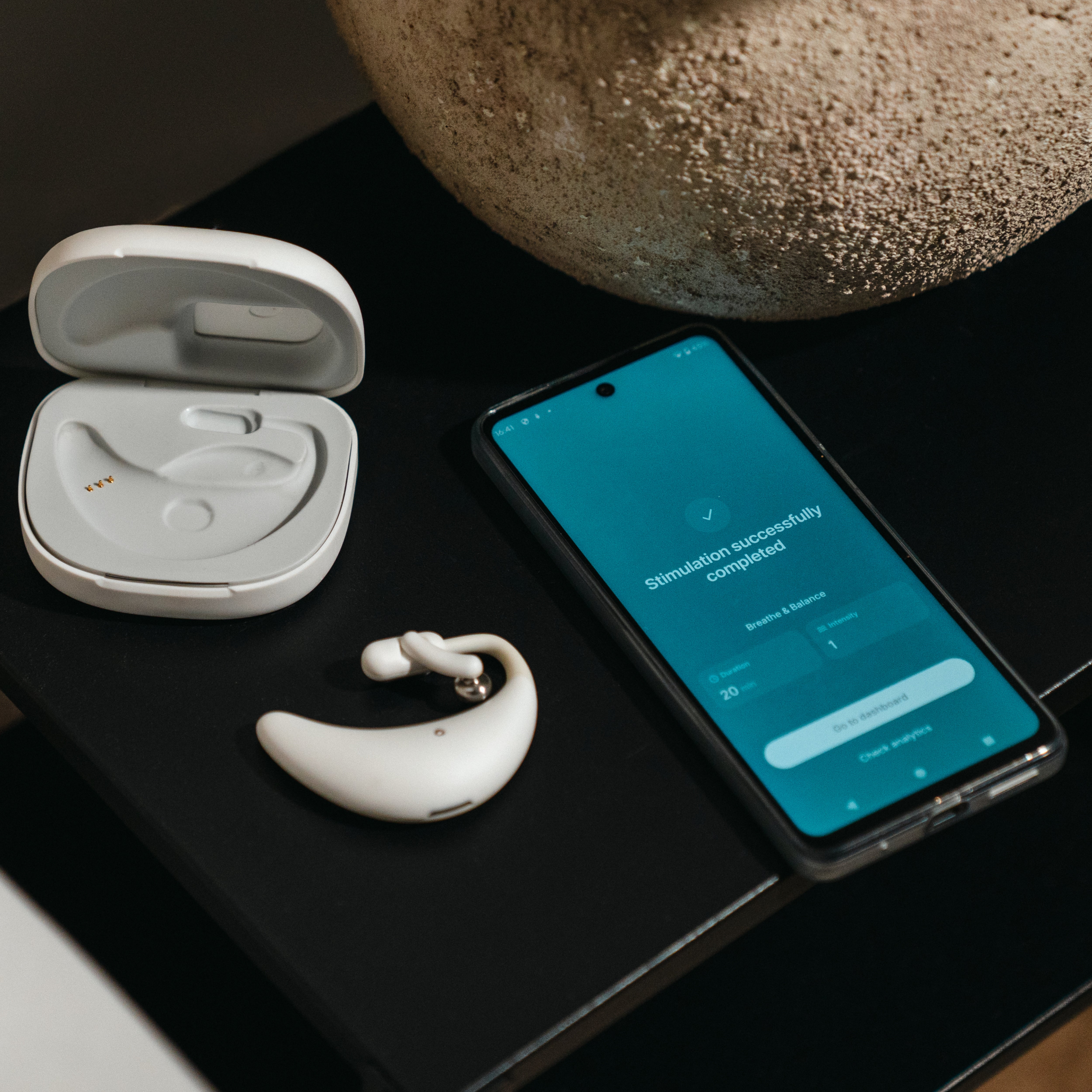
Non-invasive vagus nerve stimulation has democratised access to VNS therapy, offering a surgery-free alternative that can be used at home. The most common approach is transcutaneous auricular VNS (taVNS), which targets the auricular branch of the vagus nerve in the ear. Other methods include cervical transcutaneous VNS (tcVNS) applied to the neck.
The science behind non-invasive VNS is compelling. FMRI studies by Frangos et al. (2015) showed that taVNS activates similar brain regions as invasive VNS, including the nucleus tractus solitarius and locus coeruleus. However, the stimulation intensity and penetration depth are naturally limited by the need to work through skin and tissue.
Consumer devices have proliferated in recent years, ranging from simple TENS-like units to sophisticated systems with biometric feedback. Devices like Sona incorporate HRV monitoring and AI-driven personalisation to optimise stimulation parameters in real-time. These advances address one of the key limitations of non-invasive VNS: the challenge of ensuring consistent and effective nerve activation.
The advantages of non-invasive VNS are significant: no surgical risks, lower cost (typically £200-700), reversibility, and the ability to adjust or discontinue treatment easily. However, effectiveness may be reduced compared to implanted devices, particularly for severe conditions. Compliance can also be challenging, as non-invasive VNS typically requires daily sessions of 15-60 minutes, versus the continuous automatic stimulation of implanted devices.
For those wondering "Can you do vagus nerve stimulation at home?", the answer is increasingly yes: but with important caveats. While consumer devices are generally safe, they should complement, not replace, professional medical care. Starting parameters, treatment duration, and monitoring protocols should ideally be guided by healthcare providers familiar with VNS therapy.
Learn practical techniques for vagus nerve activation in our guide: Vagus Nerve Exercises for Stress Relief
Medical Uses and Clinical Applications
The therapeutic applications of vagus nerve stimulation have expanded dramatically since its initial approval for epilepsy. Today, VNS is recognised as a versatile treatment modality with FDA approvals for multiple conditions and promising research for many others.
Epilepsy remains the most established indication, particularly for drug-resistant focal seizures. Clinical trials show 40-50% of patients experience at least a 50% reduction in seizure frequency, with benefits often improving over time. The PULSE study by Ryvlin et al. (2014) demonstrated sustained efficacy over 5 years, with some patients achieving complete seizure freedom.
Treatment-Resistant Depression gained FDA approval for VNS in 2005. The mechanism involves modulation of mood-regulating neurotransmitters and brain regions. The five-year RECOVER study showed response rates of 67.6% and remission rates of 43.3%, significantly higher than treatment-as-usual groups. VNS is typically reserved for patients who haven't responded to at least four antidepressant trials.
Migraine Prevention represents a newer application, with FDA approval for episodic cluster headaches in 2017. The gammaCore device, a non-invasive cervical VNS system, showed 40% reduction in headache days in clinical trials. The ability to use VNS acutely during headache onset offers unique advantages over preventive medications.
Emerging Applications show notable promise. Research is active in:
- Inflammatory Conditions: Studies by Koopman et al. (2016) showed significant improvement in rheumatoid arthritis symptoms, with reduced inflammatory markers and improved joint function - PTSD and Anxiety: Early trials suggest VNS may help regulate fear responses and emotional processing - Long COVID: Pilot studies indicate potential benefits for fatigue and cognitive symptoms - Obesity and Metabolic Syndrome: VNS appears to influence satiety signals and metabolic regulation - Stroke Recovery: Enhanced neuroplasticity from VNS may improve rehabilitation outcomes
The breadth of applications reflects the vagus nerve's extensive influence on body systems. As Professor David Wilkinson notes, "VNS represents a model shift in how we think about treating diseases: using the body's own communication highways rather than flooding it with pharmaceuticals."
Explore how VNS specifically helps with anxiety in our detailed analysis: Vagus Nerve Stimulation for Anxiety
Benefits of VNS Therapy
The therapeutic benefits of vagus nerve stimulation extend far beyond symptom management, often improving overall quality of life and addressing multiple conditions simultaneously. Understanding these benefits helps set realistic expectations and identify optimal candidates for therapy.
Neurological Benefits are perhaps the most well-documented. Beyond seizure reduction, VNS improves alertness, memory, and cognitive function in many patients. The Melbourne study by Fisher et al. (2016) found significant improvements in verbal memory and executive function after 12 months of VNS therapy. These cognitive benefits appear independent of seizure control, suggesting direct neural enhancement.
Mood and Emotional Regulation improvements are substantial. Patients often report better stress resilience, reduced anxiety, and improved emotional stability even when primary symptoms persist. The mechanism involves enhanced GABAergic transmission and improved prefrontal cortex function. Many patients describe feeling "more like themselves" after starting VNS.
Autonomic Benefits include improved heart rate variability, better digestion, and enhanced stress recovery. By strengthening parasympathetic tone, VNS helps counteract the chronic sympathetic dominance common in modern life. This translates to practical benefits like better sleep quality, reduced inflammatory markers, and improved cardiovascular health.
Anti-Inflammatory Effects represent an exciting frontier. VNS reduces TNF-α, IL-6, and other pro-inflammatory cytokines through the cholinergic anti-inflammatory pathway. This has implications for conditions ranging from arthritis to inflammatory bowel disease. Some researchers propose VNS as a "electronic drug" for inflammatory conditions.
Quality of Life Improvements often exceed what symptom scores alone would suggest. Patients report better social functioning, increased energy, and renewed hope. The REVIVE study showed 77% of depression patients rated their quality of life as much or very much improved after VNS, even among those who didn't meet formal response criteria.
Long-Term Sustainability is a key advantage. Unlike many medications that lose effectiveness over time, VNS benefits often increase. The cumulative neuroplastic changes mean patients may continue improving years into treatment. This makes VNS particularly valuable for chronic conditions requiring lifetime management.
Discover how VNS can improve your sleep quality: Vagus Nerve Stimulation for Sleep
Side Effects and Safety Considerations
While vagus nerve stimulation is generally well-tolerated, understanding potential side effects and safety considerations is important for informed decision-making. The safety profile varies between invasive and non-invasive methods, with most adverse effects being mild and manageable.
Common Side Effects of Invasive VNS occur in 30-40% of patients and include: - Voice alteration or hoarseness (most common, affecting up to 60% initially) - Throat discomfort or pain - Cough during stimulation - Shortness of breath during activity - Difficulty swallowing - Headache
Most side effects are stimulation-related and can be minimised by adjusting device parameters. They typically diminish over time as patients adapt. The voice changes result from stimulation affecting the recurrent laryngeal nerve branch and are usually only noticeable during active stimulation periods.
Surgical Risks are similar to other minor surgeries: - Infection (2-3% of cases) - Vocal cord paralysis (less than 1%) - Lead fracture or migration (rare) - Haematoma formation - Anaesthesia-related complications
Non-Invasive VNS Side Effects are generally milder: - Skin irritation at electrode sites - Mild tingling or discomfort - Temporary headache - Ear pain (with auricular stimulation) - Dizziness (rare)
Contraindications for VNS include: - Active cardiac issues (for right-sided or bilateral stimulation) - Progressive neurological conditions - Pregnancy (relative contraindication due to limited data) - History of schizophrenia or psychosis - Swallowing difficulties or aspiration risk
Long-Term Safety data is reassuring. The longest follow-up studies, spanning over 20 years, show no increased risk of major complications. Battery replacements carry lower risk than initial implantation. Newer devices have improved biocompatibility and reduced mechanical failure rates.
Drug Interactions are minimal, though VNS may affect the metabolism of certain medications. Patients should inform all healthcare providers about their VNS device, especially before procedures involving electrocautery or diathermy.
Who Is a Good Candidate for VNS?
Determining candidacy for vagus nerve stimulation requires careful evaluation of medical history, treatment responses, and individual circumstances. While guidelines exist for approved indications, the decision ultimately involves shared decision-making between patients, physicians, and often multidisciplinary teams.
Ideal Candidates for Invasive VNS typically share certain characteristics: - Failed multiple conventional treatments (usually 2-4 adequate trials) - Significant functional impairment from their condition - Ability to tolerate surgery and comply with follow-up - Realistic expectations about outcomes - No contraindications to device implantation - Adequate support system for recovery and adjustment period
For epilepsy specifically, candidates usually have focal or multifocal seizures not amenable to surgical resection. The best outcomes occur in patients with specific seizure types (complex partial, secondary generalised) and those who experience auras or warnings before seizures.
Depression Candidates must meet stricter criteria: - Chronic depression (episode lasting ≥2 years) - Failed at least four antidepressant treatments - Not actively suicidal (due to delayed onset of benefits) - Willing to continue adjunctive treatments - History of partial responses rather than complete non-response
Non-Invasive VNS Candidates have broader eligibility: - Mild to moderate symptoms - Preference for non-pharmaceutical approaches - Inability or unwillingness to undergo surgery - Trial before committing to invasive options - Complementary therapy alongside conventional treatments - Preventive approach for stress-related conditions
Factors Predicting Success based on research include: - Younger age at treatment initiation - Shorter duration of illness - Some response to previous treatments - Higher baseline vagal tone - Absence of significant psychiatric comorbidities - Strong motivation and treatment adherence
Special Populations require additional consideration: - Paediatric patients: FDA approved for epilepsy age 4+, with excellent safety record - Elderly patients: May have better risk-benefit profile than aggressive medications - Pregnant women: Limited data, generally avoided except in life-threatening situations - Psychiatric comorbidities: Can benefit but require careful monitoring
The evaluation process typically involves neurological examination, baseline autonomic testing, psychological assessment, and often trial periods with non-invasive stimulation when feasible. As Dr. Tony Steffert emphasises, "Patient selection is as much art as science: we're looking for those who haven't just failed other treatments, but who have the characteristics suggesting they can use their nervous system's plasticity."
The Future of Vagus Nerve Stimulation
The future of vagus nerve stimulation is being shaped by converging advances in neuroscience, bioengineering, and artificial intelligence. These developments promise more effective, personalised, and accessible treatments that could transform how we approach numerous health conditions.
Closed-Loop Systems represent the next generation of VNS technology. Unlike current open-loop devices that deliver pre-programmed stimulation, closed-loop systems monitor physiological signals and adjust stimulation in real-time. Research teams at leading institutions are developing devices that track EEG patterns, heart rate variability, and inflammatory markers to optimise therapeutic delivery. Sona's AI-powered approach exemplifies this trend, using machine learning to personalise stimulation based on individual biomarkers.
Biomarker-Guided Therapy is moving VNS from trial-and-error to precision medicine. Emerging research identifies specific HRV patterns, inflammatory profiles, and genetic markers that predict VNS response. The RECOVER-2 study found that baseline vagal tone measurements could predict depression treatment response with 78% accuracy. Future clinical practice will likely include biomarker panels to guide patient selection and parameter optimisation.
Novel Stimulation Targets are expanding beyond traditional approaches. Researchers are exploring: - Selective fibre stimulation to target specific vagal pathways - Combinatorial approaches stimulating multiple nerves simultaneously - Ultrasound and optical stimulation methods - Pharmacological enhancement of VNS effects - Integration with brain-computer interfaces
Expanded Clinical Applications continue to emerge. Active research areas include: - Alzheimer's disease and cognitive decline - Autoimmune conditions - Chronic pain syndromes - Addiction and substance use disorders - Post-surgical recovery enhancement - Performance optimisation in healthy individuals
Regulatory and Access Evolution is accelerating. The FDA's breakthrough device designation for several VNS applications signals regulatory support for innovation. Simultaneously, the rise of digital therapeutics and remote monitoring enables new care delivery models. We're moving toward a future where VNS therapy can be initiated, monitored, and adjusted via telemedicine platforms.
Integration with Digital Health ecosystems will transform patient care. Future VNS devices will smoothly connect with wearables, smartphone apps, and electronic health records. This integration enables continuous monitoring, predictive analytics, and coordinated care across providers. Patients will have unprecedented insight into their treatment response and autonomic health.
As Professor Richard Gevirtz predicts, "Within the next decade, we'll see VNS become as common as cardiac pacemakers. The convergence of better technology, clearer biomarkers, and broader applications will make neuromodulation a first-line treatment for many conditions currently managed with medications."
The trajectory is clear: VNS is evolving from a last-resort intervention to an integral component of personalised medicine. As our understanding of the nervous system deepens and technology advances, the therapeutic potential of useing the vagus nerve continues to expand, offering hope for millions affected by chronic conditions.
Frequently Asked Questions
How effective is vagus nerve stimulation?
VNS effectiveness varies by condition and individual factors. For epilepsy, approximately 40-50% of patients experience at least 50% seizure reduction, with benefits often improving over time. In treatment-resistant depression, response rates reach 40-50% at one year and 65-70% at five years. For cluster headaches, about 40% of patients report significant improvement. Non-invasive VNS typically shows more modest effects but with minimal risk. Success depends on proper patient selection, device programming, and adherence to therapy protocols.
What conditions does vagus nerve stimulation treat?
VNS has FDA approval for drug-resistant epilepsy, treatment-resistant depression, and prevention of cluster headaches. It's also being researched for numerous conditions including anxiety disorders, PTSD, rheumatoid arthritis, inflammatory bowel disease, heart failure, obesity, stroke recovery, and cognitive decline. The broad therapeutic potential reflects the vagus nerve's role in regulating multiple body systems through the autonomic nervous system and inflammatory pathways.
Is vagus nerve stimulation safe?
VNS has a strong safety record with over 25 years of clinical use. Common side effects include temporary voice changes, throat discomfort, and cough during stimulation: most of which diminish over time or can be managed by adjusting device settings. Surgical risks for implanted devices are similar to other minor procedures (infection ~2-3%). Non-invasive VNS has even fewer risks, mainly limited to mild skin irritation. Long-term studies show no increased risk of major complications.
How much does vagus nerve stimulation cost?
Costs vary significantly between invasive and non-invasive options. Surgical VNS implantation ranges from £20,000-30,000 including the device, surgery, and programming. Insurance coverage varies by country and indication. Non-invasive devices cost £200-700 for consumer models, with clinical-grade systems reaching £2,000-5,000. Ongoing costs include battery replacements (every 3-8 years for implants) and electrode supplies for external devices. Some manufacturers offer payment plans or assistance programmes.
What are the side effects of VNS therapy?
Common side effects during stimulation include hoarseness (up to 60% initially but usually mild), throat pain, cough, shortness of breath during exertion, and difficulty swallowing. Most effects occur only during the 30-second stimulation periods and decrease over time. Surgical risks include infection, vocal cord paralysis (rare), and typical anaesthesia-related issues. Non-invasive VNS side effects are minimal: mainly skin irritation, tingling, or mild discomfort at stimulation sites.
How long does it take for VNS to work?
VNS effects develop gradually. Some patients notice improvements within weeks, but optimal benefits typically emerge over 3-12 months. For epilepsy, seizure reduction often begins within 3 months but continues improving for 18-24 months. Depression response may take 3-6 months to manifest fully. This delayed response reflects the time needed for neuroplastic changes and neural network rebalancing. Patience during the initial adjustment period is important for treatment success.
Can you do vagus nerve stimulation at home?
Yes, non-invasive VNS devices enable safe home use. These include auricular (ear) stimulators and cervical (neck) devices that don't require surgery. However, proper instruction is important: incorrect placement or excessive stimulation can reduce effectiveness. Start with conservative settings and gradually increase as tolerated. While generally safe, home devices should complement professional medical care, not replace it. Some conditions still require the stronger stimulation of implanted devices.
What is the difference between VNS and tVNS?
VNS typically refers to implanted devices that directly stimulate the vagus nerve trunk via surgical placement. TVNS (transcutaneous VNS) uses external electrodes to stimulate vagus nerve branches through the skin, usually at the ear (auricular branch) or neck. While both activate similar brain pathways, implanted VNS delivers stronger, more consistent stimulation. TVNS offers non-invasive treatment with lower risk but potentially reduced efficacy for severe conditions. The choice depends on condition severity, previous treatment responses, and individual preferences.
Who should not use vagus nerve stimulation?
VNS is contraindicated for people with active cardiac arrhythmias, progressive neurological conditions, or compromise of both vagus nerves. Relative contraindications include pregnancy (limited safety data), active psychosis, significant swallowing difficulties, and certain neck/chest abnormalities. For non-invasive devices, avoid use with cardiac pacemakers without medical clearance. Always consult healthcare providers to assess individual risk factors and potential drug or device interactions before starting VNS therapy.
How does VNS compare to medication for treatment?
VNS offers several advantages over medication: no systemic drug side effects, no daily compliance issues (for implanted devices), no drug interactions, and benefits that often increase over time rather than diminishing. However, medications typically work faster and can be more easily adjusted or discontinued. Many patients use VNS as an adjunct to medications, often allowing dose reductions. The choice depends on individual response patterns, side effect tolerance, and treatment goals. VNS is usually considered after medication trials, though this may change as technology improves.
Conclusion
Vagus nerve stimulation has evolved from an experimental epilepsy treatment to a versatile therapeutic platform addressing conditions across neurology, psychiatry, and immunology. Its unique ability to modulate brain function through the body's own neural highways offers hope for millions who haven't found relief through conventional treatments.
The evidence supporting VNS continues to grow stronger, with long-term studies confirming both safety and sustained efficacy. While not a miracle cure, VNS provides meaningful improvement for many patients, often enhancing quality of life even when complete symptom resolution isn't achieved.
As technology advances, we're witnessing a transformation in how VNS is delivered and optimised. The emergence of non-invasive devices, AI-driven personalisation, and biomarker-guided protocols is making this therapy more accessible and effective than ever before.
For those considering VNS, the key is careful evaluation and realistic expectations. Whether through surgical implantation for severe conditions or non-invasive devices for wellness optimisation, VNS offers a unique approach to healing that works with, rather than against, the body's natural systems.
Ready to explore how vagus nerve stimulation could help you? Discover Sona: the world's first truly personalised, AI-powered vagus nerve stimulator. Our advanced technology reads your body's unique signals and adapts in real-time, delivering precision stimulation tailored to your physiology. Learn more about how Sona is transforming VNS therapy at sona.help.
References
- Ben-Menachem, E., Revesz, D., Simon, B. J., & Silberstein, S. (2015). Surgically implanted and non-invasive vagus nerve stimulation: a review of efficacy, safety and tolerability. European Journal of Neurology, 22(9), 1260-1268.
- Frangos, E., Ellrich, J., & Komisaruk, B. R. (2015). Non-invasive access to the vagus nerve central projections via electrical stimulation of the external ear: fMRI evidence in humans. Brain Stimulation, 8(3), 624-636.
- Fisher, R. S., Afra, P., Macken, M., et al. (2016). Automatic vagus nerve stimulation triggered by ictal tachycardia: clinical outcomes and device performance. Neuromodulation, 19(2), 188-195.
- Koopman, F. A., Chavan, S. S., Miljko, S., et al. (2016). Vagus nerve stimulation inhibits cytokine production and attenuates disease severity in rheumatoid arthritis. Proceedings of the National Academy of Sciences, 113(29), 8284-8289.
- Ryvlin, P., Gilliam, F. G., Nguyen, D. K., et al. (2014). The long-term effect of vagus nerve stimulation on quality of life in patients with pharmacoresistant focal epilepsy: the PuLsE study. Epilepsia, 55(6), 893-900.
- Rush, A. J., Marangell, L. B., Sackeim, H. A., et al. (2005). Vagus nerve stimulation for treatment-resistant depression: a randomized, controlled acute phase trial. Biological Psychiatry, 58(5), 347-354.
- Silberstein, S. D., Mechtler, L. L., Kudrow, D. B., et al. (2016). Non-invasive vagus nerve stimulation for the acute treatment of cluster headache: findings from the randomized, double-blind, sham-controlled ACT1 study. Headache, 56(8), 1317-1332.
- Yuan, H., & Silberstein, S. D. (2016). Vagus nerve and vagus nerve stimulation, a comprehensive review. Headache, 56(1), 71-78.
Sources
- European Journal of Neurology
- Brain Stimulation
- Neuromodulation
- Proceedings of the National Academy of Sciences
- Epilepsia
- Biological Psychiatry
- Headache


Share:
Vagus Nerve Exercises: 12 Science-Backed Techniques for Stress Relief
Vagus Nerve Stimulation: Complete 2026 Guide & Evidence