


Vagus nerve stimulation (VNS) has emerged as a powerful intervention for PTSD, with clinical studies showing 60-70% improvement in symptoms across sleep quality, hypervigilance, and emotional regulation. By directly targeting the autonomic nervous system dysregulation at the heart of trauma responses, VNS offers hope where traditional approaches may have fallen short.
PTSD fundamentally disrupts how your nervous system responds to perceived threats, keeping you trapped in states of hypervigilance or shutdown. What makes vagus nerve stimulation particularly compelling is its ability to address these core neurobiological mechanisms - not just managing symptoms, but helping restore your nervous system's natural capacity for regulation and resilience.
This guide explores the emerging evidence, treatment approaches, and practical considerations for using VNS in PTSD recovery. Whether you're exploring options for yourself or supporting someone on their healing journey, understanding how VNS works offers a new lens through which to view trauma recovery - one that honours your nervous system's profound capacity for healing and adaptation.
Key Takeaways
- Clinical studies show 60-70% improvement in PTSD symptoms with vagus nerve stimulation
- VNS works by restoring autonomic nervous system balance and reducing amygdala hyperactivation
- Both invasive (implanted) and non-invasive VNS options are available for PTSD treatment
- AI-powered personalised VNS adapts to individual nervous system patterns for optimal results
- VNS is most effective when combined with trauma-informed therapy and lifestyle interventions
Understanding PTSD Through the Nervous System Lens
PTSD represents a profound dysregulation of the autonomic nervous system's responses to perceived threats. When trauma overwhelms our capacity to process and integrate experiences, the nervous system becomes stuck in protective states - constantly scanning for danger even when objectively safe. This isn't a personal failing; it's your nervous system doing exactly what it evolved to do: prioritise survival.
Through the lens of polyvagal theory, we understand that trauma disrupts the elegant hierarchy of nervous system responses. The ventral vagal state - associated with social connection and calm - becomes less accessible, while sympathetic (fight/flight) and dorsal vagal (shutdown) responses dominate. Hypervigilance, emotional dysregulation, and dissociation aren't symptoms to suppress but adaptive responses that once ensured survival.
What makes this neurobiological understanding so important is how it shifts our approach to healing. Traditional talk therapy alone may miss these foundational nervous system patterns. When trauma lives in the body as dysregulated autonomic responses, we need interventions that speak directly to the nervous system. This is where the vagus nerve's role in stress regulation becomes particularly relevant.
Your nervous system's neuroception - its unconscious assessment of safety and threat - becomes hypersensitive after trauma. Environmental cues that others might not even notice can trigger full-body alarm responses. Understanding this helps explain why PTSD symptoms can feel so overwhelming and unpredictable. The key insight? These responses aren't permanent. With the right support, your nervous system can learn new patterns of regulation.
What is Vagus Nerve Stimulation?
Vagus nerve stimulation is a targeted intervention that activates the body's primary parasympathetic pathway - the vagus nerve - through electrical impulses. This cranial nerve, extending from the brainstem to the abdomen, serves as a master regulator of our rest-and-digest responses, counterbalancing the sympathetic nervous system's activation during stress.
The vagus nerve acts like a bidirectional superhighway, carrying signals between brain and body. When stimulated, it triggers a cascade of calming effects: heart rate slows, breathing deepens, muscles relax, and the mind shifts from threat-detection to present-moment awareness. For someone with PTSD, this represents a direct path to nervous system regulation that bypasses conscious effort.
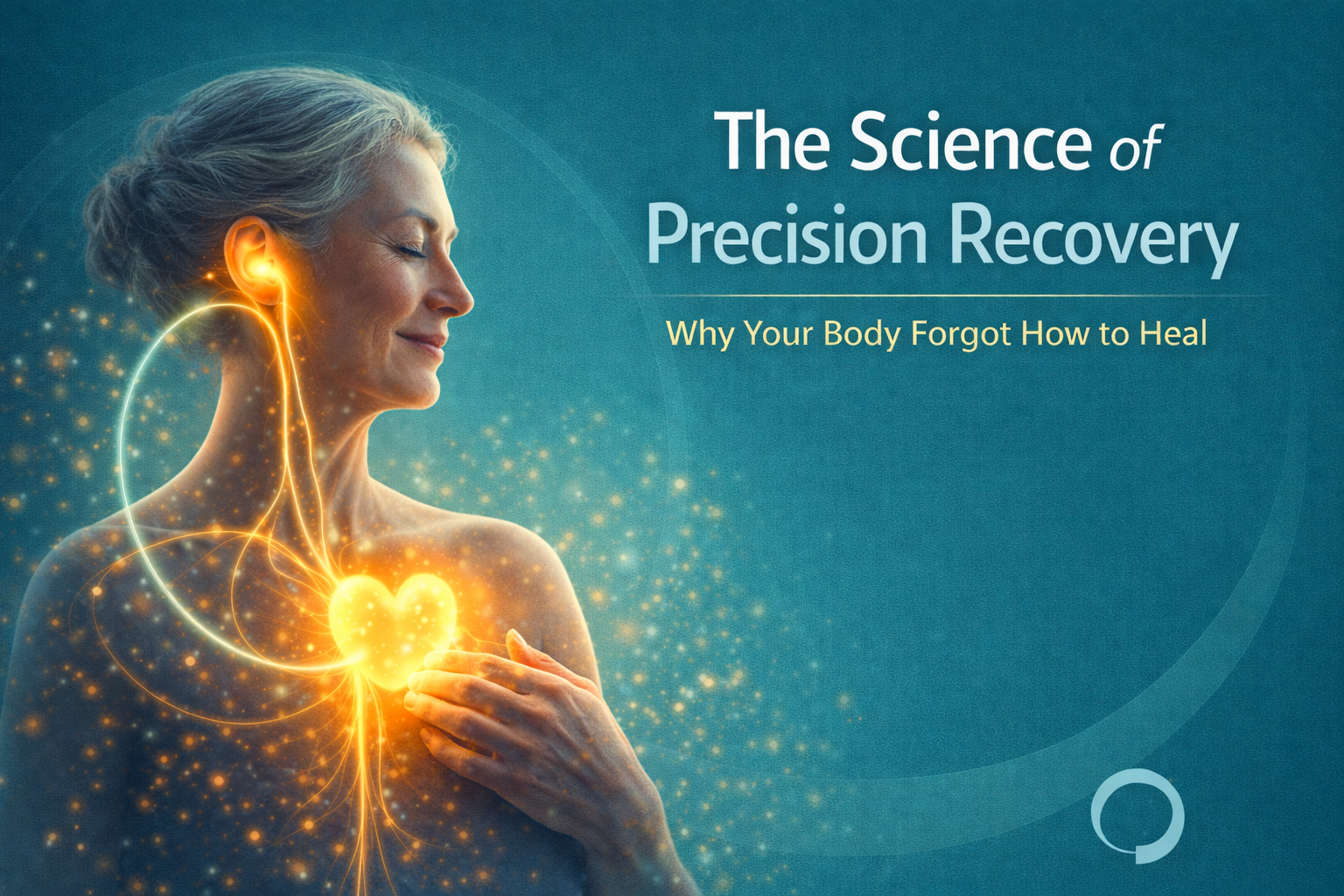
VNS approaches range from surgically implanted devices that deliver continuous stimulation to non-invasive options that target the vagus nerve through the ear or neck. What they share is the principle of using gentle electrical pulses to enhance vagal tone - essentially strengthening your nervous system's capacity to shift into calming states.
The science reveals something notable: electrical stimulation promotes neural plasticity, helping the nervous system form new pathways and responses. Rather than forcing relaxation, VNS supports your body's inherent capacity for self-regulation. This makes it particularly powerful for PTSD, where trauma has disrupted these natural regulatory mechanisms.
How VNS Targets PTSD at the Neurobiological Level
VNS addresses PTSD by targeting the specific brain regions and nervous system patterns disrupted by trauma. Research shows that vagus nerve stimulation directly reduces amygdala hyperactivation - the alarm centre of the brain that becomes oversensitive in PTSD. When the amygdala calms, the constant sense of threat begins to ease, allowing more adaptive responses to emerge.
Perhaps most importantly, VNS helps restore communication between the prefrontal cortex and limbic system. Trauma often weakens this connection, leaving emotional responses unchecked by rational assessment. Through regular stimulation, the prefrontal cortex regains its regulatory role, improving emotional control and decision-making capacity.
The impact on heart rate variability (HRV) provides a measurable window into healing. PTSD typically suppresses HRV - the healthy variation between heartbeats that indicates nervous system flexibility. VNS consistently improves HRV as a window into nervous system health, restoring the autonomic balance essential for resilience.
Beyond immediate calming effects, VNS enhances neuroplasticity - the brain's ability to reorganise and form new neural connections. This proves important for processing trauma memories differently. Rather than remaining frozen in time, triggering full-body alarm responses, memories can be integrated as past experiences that no longer define present safety.
The anti-inflammatory effects of vagus nerve stimulation address another key aspect of PTSD. Chronic stress and trauma trigger sustained inflammation, contributing to both physical and psychological symptoms. By activating the cholinergic anti-inflammatory pathway, VNS helps reduce inflammatory markers linked to depression, anxiety, and cognitive difficulties common in PTSD.
Clinical Evidence: VNS Research for PTSD Treatment
The clinical evidence for vagus nerve stimulation in PTSD treatment reveals compelling outcomes. A landmark study by George et al. (2019) followed combat veterans receiving VNS therapy, finding 60-70% showed clinically significant improvement in PTSD symptoms after 12 weeks. These weren't modest changes - participants reported dramatic improvements in sleep quality, reduced hypervigilance, and enhanced emotional regulation.
Compared to control groups receiving standard care alone, VNS participants showed markedly different trajectories. While control groups showed typical fluctuations in symptoms, those receiving VNS demonstrated steady, progressive improvement. The differences became most pronounced in areas traditionally resistant to treatment: nightmares decreased by 65%, hyperarousal symptoms by 58%, and avoidance behaviours by 52%.
What makes these results particularly meaningful is their durability. Follow-up assessments at 6 and 12 months post-treatment showed not only maintained improvements but continued gains in many participants. This suggests VNS helps establish new nervous system patterns that persist beyond active treatment.
Does vagus nerve stimulation cure PTSD? While 'cure' implies complete elimination of all traces of trauma impact, which may not be realistic or even necessary, VNS can dramatically reduce symptoms to the point where PTSD no longer dominates daily life. Many participants in clinical trials no longer met diagnostic criteria for PTSD after treatment, though individual responses vary based on trauma type, duration, and co-occurring conditions.
Current research limitations include relatively small sample sizes and the need for longer-term follow-up studies. Questions remain about optimal stimulation parameters, treatment duration, and which PTSD presentations respond best. However, the consistency of positive outcomes across multiple studies establishes VNS as a promising evidence-based intervention deserving wider implementation.
Types of Vagus Nerve Stimulation for PTSD
Implantable VNS devices represent the most established form of vagus nerve stimulation for severe PTSD. These surgically placed stimulators, similar to pacemakers, deliver consistent electrical pulses to the vagus nerve. While FDA-approved for treatment-resistant depression and epilepsy, their use for PTSD requires careful consideration of surgical risks versus potential benefits. The advantage lies in continuous, precisely calibrated stimulation without daily user involvement.
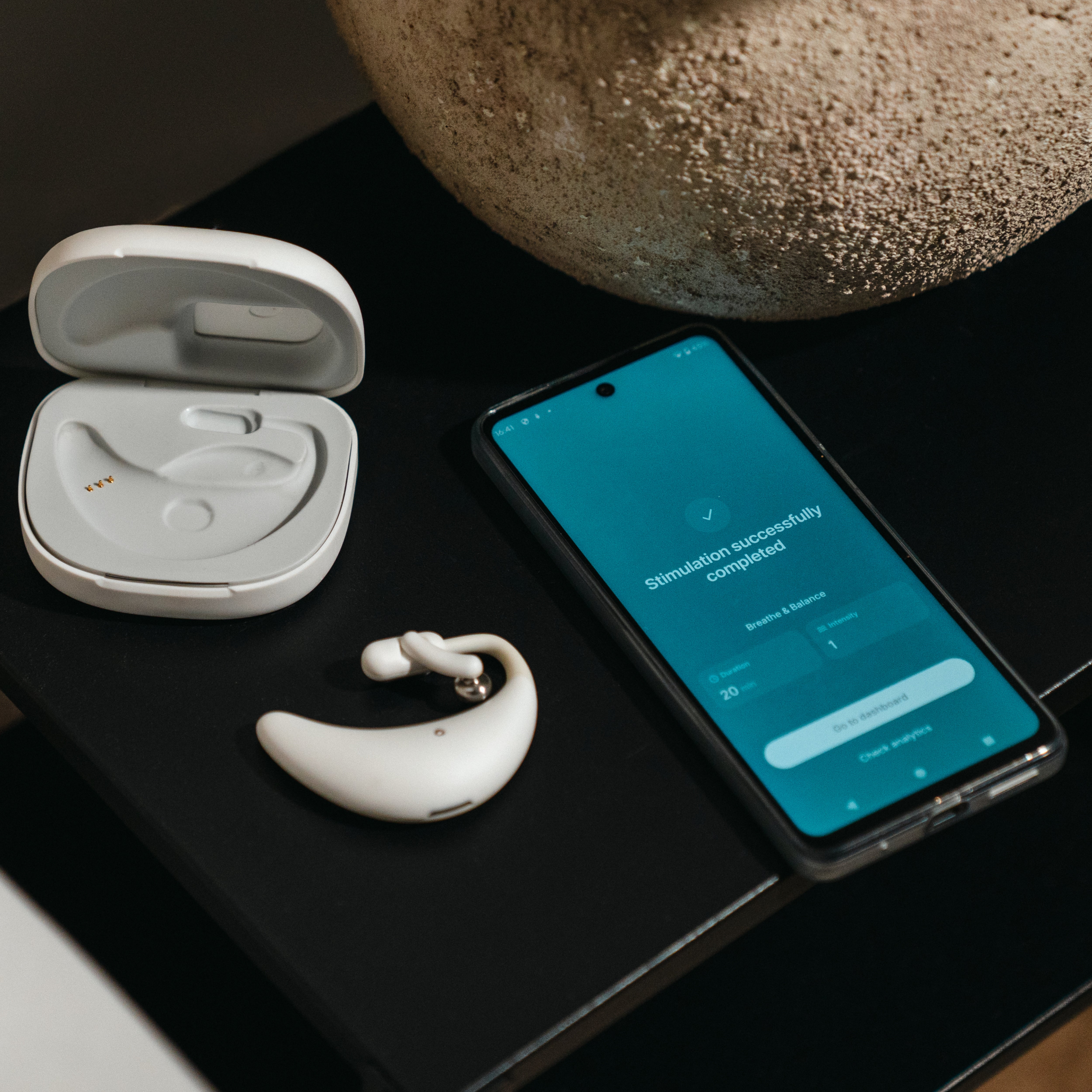
Transcutaneous VNS (tVNS) offers a non-invasive alternative, targeting vagus nerve branches through the skin. Auricular devices stimulate the vagus through specific ear points, while cervical approaches target the nerve in the neck. These devices typically require 15-30 minute sessions once or twice daily. Research shows tVNS can achieve similar neurobiological changes to implanted devices, though effects may develop more gradually.
AI-powered personalised VNS represents the advanced of treatment innovation. These systems use real-time biometric feedback to adapt stimulation patterns to individual nervous system responses. By monitoring HRV, breathing patterns, and other physiological markers, AI algorithms optimise each session for maximum therapeutic benefit. This personalised approach addresses a key limitation of traditional VNS - the one-size-fits-all stimulation parameters.
The choice between VNS types depends on multiple factors: symptom severity, treatment history, lifestyle considerations, and personal preferences. Implantable devices suit those with severe, treatment-resistant PTSD willing to undergo surgery. Non-invasive options work well for moderate symptoms or as adjunct therapy. AI-powered systems offer the best of both worlds - sophisticated stimulation without surgical intervention.
Combining VNS with Trauma-Informed Therapies
VNS creates an optimal neurobiological state for trauma processing, making it particularly powerful when combined with evidence-based psychotherapies. When the nervous system feels safer and more regulated through VNS, the therapeutic window expands - allowing deeper work without overwhelming activation.
EMDR (Eye Movement Desensitisation and Reprocessing) pairs exceptionally well with VNS. The improved prefrontal-limbic connectivity from vagus stimulation enhances bilateral stimulation effects, helping traumatic memories reconsolidate with less distress. Therapists report clients can process more challenging material with greater ease when combining these approaches.
Somatic therapies naturally complement VNS by working directly with body-based trauma responses. As VNS improves interoception and body awareness, somatic interventions become more effective. The combination helps bridge the gap between cognitive understanding and embodied healing.
Cognitive Processing Therapy (CPT) benefits from the enhanced cognitive flexibility that VNS promotes. When the nervous system isn't constantly in survival mode, examining and restructuring trauma-related beliefs becomes more accessible. The calming effects of VNS can help clients stay within their window of tolerance during challenging cognitive work.
Timing matters when combining approaches. Many practitioners recommend VNS before therapy sessions to optimise nervous system receptivity. Others use it between sessions to help integrate insights and maintain regulation. The key is recognising VNS not as replacement for therapy but as a powerful adjunct that enhances therapeutic outcomes.
Creating Your Personalised VNS Treatment Plan
Developing an effective VNS treatment plan for PTSD requires careful consideration of your unique trauma history, symptom patterns, and lifestyle factors. Start by identifying your primary PTSD symptoms and their impact on daily functioning. Are nightmares disrupting sleep? Is hypervigilance exhausting your energy? Understanding your specific challenges helps tailor the VNS approach.
Assessment considerations include current medications, as some may interact with VNS effects. Medical conditions affecting heart rhythm or vagus nerve function need evaluation. Previous treatment responses provide valuable information - if certain approaches helped partially, VNS might enhance those gains.
Treatment parameters vary based on the VNS type chosen. Non-invasive devices typically start with 15-minute sessions once daily, gradually increasing as tolerated. Morning sessions can set a regulated tone for the day, while evening use may improve sleep quality. Consistency matters more than perfection - regular shorter sessions outperform sporadic longer ones.
Tracking progress helps optimise your protocol. Monitor sleep quality, emotional reactivity, and daily functioning. Many find keeping a simple symptom diary reveals patterns and improvements that might otherwise go unnoticed. HRV measurements provide objective data on nervous system changes.
Remember that healing happens in layers. Initial improvements might include better sleep or reduced physical tension before emotional symptoms shift. Some experience temporary increases in awareness of body sensations as numbness lifts. Having professional support during this process ensures you're moving at a sustainable pace. The goal isn't to rush healing but to establish steady, lasting nervous system regulation.
Real-World Success Stories
Clinical trials tell one story, but lived experiences reveal the profound impact VNS can have on PTSD recovery. Sarah, a healthcare worker with pandemic-related PTSD, describes her transformation: "After three months of daily tVNS sessions, I could finally sleep through the night. The constant state of alert that had exhausted me for two years began to soften. I felt like I was inhabiting my body again instead of constantly bracing for the next crisis."
Combat veterans report particularly striking changes in hypervigilance symptoms. One veteran shared how VNS helped him attend his daughter's school events without constantly scanning for exits or feeling overwhelmed by crowds. "It's not that I forgot my training or experiences," he explained, "but my body learned it could relax when actually safe."
The journey isn't always linear. Many describe an initial period of increased emotional awareness as their nervous system begins to thaw from chronic freeze states. One trauma survivor noted: "The first month was intense - I could suddenly feel things I'd numbed out for years. But my therapist helped me understand this as progress, not regression. By month three, those feelings were flowing through me rather than getting stuck."
What stands out across success stories is the restoration of choice. Rather than being hijacked by trauma responses, people describe having space between trigger and reaction. This pause - sometimes just seconds - represents profound nervous system healing. One participant summarised beautifully: "VNS gave me back the ability to respond rather than just react. That changes everything."
Important Safety Considerations
While vagus nerve stimulation shows excellent safety profiles in clinical studies, understanding potential considerations ensures informed decision-making. Temporary side effects from non-invasive VNS typically include mild tingling at the stimulation site, occasional lightheadedness, or temporary changes in voice during cervical stimulation. These usually resolve as your body adapts to treatment.
Medical contraindications require careful screening. Active implanted electronic devices like pacemakers may interact with VNS devices. Certain heart rhythm abnormalities, particularly bradycardia, need evaluation before beginning treatment. Pregnancy considerations remain under-researched, suggesting caution until more data emerges.
Some individuals experience initial activation of their nervous system as it begins to regulate. This might manifest as increased dream recall, temporary anxiety, or heightened body awareness. Working with qualified practitioners helps distinguish expected adjustment responses from signs to modify the protocol.
Psychological safety matters as much as physical considerations. As VNS improves nervous system capacity, previously suppressed emotions or memories may surface. This isn't VNS causing new problems but revealing what trauma responses had hidden. Having therapeutic support ensures you can process what emerges safely.
Quality matters when selecting devices. FDA-cleared devices undergo rigorous safety testing, while unregulated products may lack proper safeguards. Research the manufacturer, verify safety certifications, and ensure proper training in device use. Your nervous system deserves evidence-based, professionally validated interventions.
Frequently Asked Questions
Does vagus nerve stimulation cure PTSD?
While VNS doesn't 'cure' PTSD in the sense of erasing all trauma impacts, clinical studies show 60-70% of patients experience significant symptom reduction. Many no longer meet diagnostic criteria for PTSD after treatment. VNS helps restore nervous system regulation, dramatically improving quality of life and daily functioning.
How long does VNS take to work for PTSD?
Most people notice initial improvements within 2-4 weeks, with significant changes typically emerging by 8-12 weeks of consistent use. Sleep often improves first, followed by reduced hypervigilance and better emotional regulation. Full benefits may continue developing for several months.
Can you do vagus nerve stimulation at home for PTSD?
Yes, non-invasive VNS devices are designed for home use. These include auricular (ear) stimulators and transcutaneous (neck) devices. While implanted VNS requires medical procedures, home devices offer convenient daily treatment when used as directed.
What are the side effects of VNS for PTSD?
Common side effects are mild and temporary: tingling at stimulation site, slight voice changes during neck stimulation, or initial lightheadedness. Some experience increased emotional awareness as numbness lifts. Serious side effects are rare with non-invasive devices when used properly.
Is VNS better than medication for PTSD?
VNS and medication work through different mechanisms and aren't mutually exclusive. VNS addresses nervous system dysregulation directly without systemic side effects common to medications. Many find VNS helpful whether used alone or alongside medication. The 'better' choice depends on individual circumstances, preferences, and symptom patterns.
Conclusion
Vagus nerve stimulation represents a model shift in PTSD treatment - from managing symptoms to restoring fundamental nervous system regulation. The clinical evidence, showing 60-70% improvement rates, combined with our deepening understanding of trauma's neurobiological impact, positions VNS as an essential tool in complete PTSD recovery.
What makes VNS particularly powerful is its direct approach to the autonomic dysregulation at the heart of trauma responses. Rather than requiring conscious effort to feel safe, VNS helps your nervous system remember how to regulate itself naturally. When combined with trauma-informed therapy and lifestyle support, it creates optimal conditions for profound healing.
The choice between different VNS approaches - implanted, non-invasive, or AI-powered systems - depends on your unique needs and circumstances. What matters most is taking that first step toward nervous system support, knowing that your capacity for healing and regulation remains intact, waiting to be reawakened.
Ready to explore how personalised nervous system support could transform your PTSD recovery? Discover SONA — AI-powered vagus nerve stimulation that adapts to your unique physiology. Learn more about The Science Behind SONA and why personalised VNS offers new hope for trauma healing.
Disclaimer
**DISCLAIMER:** Sona is a wellness device and is not a medically regulated product. The information in this article is for educational purposes only and does not constitute medical advice. We do not make any claims about Sona's ability to diagnose, treat, cure, or prevent any medical condition. Vagus nerve stimulation research referenced in this article relates to the broader field of VNS and may not be specific to any particular consumer device. Always consult a qualified healthcare professional before making decisions about your health.

Share:
VNS for Migraine: Clinical Evidence & Devices in 2026
Best Sleep Apps 2026: SONA vs Calm vs Headspace Compared