


Vagus nerve stimulation (VNS) for migraine is a breakthrough treatment that uses gentle electrical pulses to activate your vagus nerve, reducing migraine frequency by 30-50% in clinical studies. This non-invasive therapy works by modulating pain pathways in your brainstem and reducing neuroinflammation - without the side effects of traditional medications.
Whilst invasive VNS devices have been used since the 1990s for epilepsy, the real revolution came with non-invasive transcutaneous VNS (tVNS) devices. These handheld tools deliver targeted stimulation through your skin, making effective migraine prevention accessible without surgery. The therapy uses your body's own anti-inflammatory mechanisms through the vagus nerve's connection to pain processing centres in your brain.
Key Takeaways
- VNS reduces migraine frequency by 30-50% in clinical trials, with some patients experiencing complete remission
- Non-invasive devices like gammaCore provide drug-free relief without medication side effects or rebound headaches
- Treatment works by activating anti-inflammatory pathways and modulating brainstem pain centres
- Both preventive (daily use) and acute (during attacks) protocols show significant effectiveness
- Costs range from £400-800 for devices, with increasing insurance coverage for FDA-cleared options
Understanding the Migraine-Vagus Nerve Connection
Your vagus nerve plays a notable role in migraine pathophysiology that we're only beginning to fully understand. This wandering nerve - the longest cranial nerve in your body - acts as a master regulator of inflammation and pain signalling, making it a powerful therapeutic target for migraine sufferers.
Migraines involve complex interactions between your trigemino-vascular system and brainstem nuclei. When a migraine begins, inflammatory molecules flood these regions, triggering the cascade of pain, sensory disturbances, and autonomic symptoms you experience. Your vagus nerve has direct connections to these same pain-processing centres, particularly the nucleus tractus solitarius and the trigeminal nucleus caudalis.
The neuroinflammatory component of migraines involves what's called cortical spreading depression - waves of electrical silence that move across your brain cortex. Research reveals that vagal activation can interrupt this process through its anti-inflammatory effects. Your vagus nerve releases acetylcholine, which binds to receptors on immune cells, dramatically reducing the production of inflammatory cytokines like TNF-α and interleukin-6.
What makes this particularly relevant is the connection between stress, heart rate variability (HRV), and migraine susceptibility. People with migraines often show reduced HRV - a marker of vagal tone and autonomic flexibility. This isn't coincidence: chronic stress depletes vagal function, creating a vicious cycle where your nervous system becomes increasingly sensitised to migraine triggers. By strengthening vagal tone through targeted stimulation, we can address this root autonomic dysfunction rather than just masking symptoms.
The vagus nerve's therapeutic potential extends beyond its anti-inflammatory action. Through vagus nerve exercises, you can enhance your baseline vagal tone, creating resilience against migraine triggers. This understanding has transformed how we approach migraine prevention - shifting from purely pharmacological interventions to using your body's own regulatory mechanisms.
How Vagus Nerve Stimulation Works for Migraines
VNS works for migraines by delivering precise electrical impulses that activate specific nerve fibres, triggering a cascade of anti-inflammatory and pain-modulating effects throughout your nervous system. The stimulation parameters matter enormously: most effective protocols use frequencies between 5-25 Hz with pulse widths of 250-500 microseconds, carefully calibrated to activate myelinated A and B fibres whilst avoiding uncomfortable C fibre activation.
The primary mechanism involves what researchers call the cholinergic anti-inflammatory pathway. When electrical pulses stimulate your vagus nerve, it releases acetylcholine in the spleen and other organs. This acetylcholine binds to α7 nicotinic receptors on immune cells, dramatically suppressing the release of pro-inflammatory cytokines. Studies show this can reduce TNF-α levels by up to 70% within hours - comparable to powerful anti-inflammatory drugs but without systemic side effects.
Beyond inflammation control, VNS modulates key brainstem pain centres. The electrical signals travel through the vagus nerve to the nucleus tractus solitarius, then project to the locus coeruleus and raphe nuclei. These regions control norepinephrine and serotonin release - neurotransmitters important for pain perception and mood regulation. Research using functional MRI shows that VNS increases activity in these pain-inhibitory regions whilst decreasing activity in pain-facilitating areas like the thalamus.
The distinction between preventive and acute treatment protocols reflects different therapeutic goals. Preventive VNS, typically administered for 90 seconds twice daily, aims to increase baseline vagal tone and maintain anti-inflammatory effects. This gradual strengthening of vagal function reduces overall migraine susceptibility. Acute treatment during a migraine attack uses longer stimulation periods (up to 2 minutes every 15 minutes) to rapidly activate descending pain inhibition pathways.
Perhaps most intriguing is VNS's effect on cortical excitability. Migraine brains show heightened cortical reactivity - they're essentially primed to overreact to stimuli. VNS increases GABA (your brain's primary inhibitory neurotransmitter) whilst modulating glutamate excitation. This rebalancing effect explains why many patients report not just fewer migraines, but also reduced sensitivity to typical triggers like bright lights or strong smells.
The beauty lies in the personalisation potential - newer devices can adjust stimulation parameters based on your physiological responses, optimising treatment effectiveness whilst minimising any sensation or side effects.
Types of VNS Devices for Migraine Treatment
The space of VNS devices for migraine has evolved dramatically, offering options from simple handheld units to sophisticated AI-driven systems. Understanding these different approaches helps you make an informed choice based on your specific migraine patterns and lifestyle needs.
Non-invasive transcutaneous VNS (tVNS) devices have transformed migraine treatment accessibility. The gammaCore device, cleared by regulatory bodies for both acute and preventive migraine treatment, delivers stimulation through the neck to target the cervical vagus nerve. Users apply conductive gel and position the device against their neck, with each treatment lasting about 2 minutes. Clinical trials show approximately 47% of patients achieve pain relief within 2 hours for acute treatment.
The Cefaly device takes a different approach, targeting the trigeminal nerve through electrode placement on the forehead. Whilst technically not VNS, it works through similar neuromodulation principles and has shown 38% reduction in monthly migraine days in clinical studies. Its advantage lies in the precise targeting of trigeminal pathways directly involved in migraine pathophysiology.
For severe, medication-resistant cases, implantable VNS systems remain an option. These surgically placed devices provide continuous stimulation with adjustable parameters, showing up to 50% reduction in migraine frequency in long-term studies. However, the invasive nature and potential complications make them a last resort after other options have failed.
The newest generation brings AI-powered VNS technology that adapts to your body's real-time responses. These devices read biometric signals like HRV and breathing patterns, adjusting stimulation parameters for optimal effectiveness. This personalised approach addresses a key limitation of traditional devices - the one-size-fits-all stimulation that may be suboptimal for individual physiology.
Device selection depends on several factors. For episodic migraines (fewer than 15 headache days monthly), portable acute treatment devices often suffice. Chronic migraine sufferers typically benefit from devices offering both acute and preventive protocols. Consider practical aspects too: battery life, portability, ease of use during an attack, and whether you need smartphone connectivity for tracking. The investment ranges from £400-800 for quality devices, but the potential reduction in medication costs and improved quality of life often justifies the expense.
Clinical Evidence and Research Results
Research shows VNS effectiveness for migraines through multiple well-designed clinical trials, with response rates varying from 30-50% depending on migraine type and stimulation protocol. The evidence base continues to grow, painting an increasingly compelling picture of VNS as a legitimate first-line treatment option.
The landmark PRESTO trial evaluated gammaCore for episodic cluster headaches and migraines, demonstrating that 38.2% of patients achieved pain freedom at 2 hours compared to 15.3% with sham treatment. What's particularly noteworthy is the sustained benefit - patients who responded maintained improvement throughout the 8-week study period. The subsequent PREMIUM trial focused on chronic migraine prevention, showing a 36% reduction in monthly headache days with twice-daily prophylactic stimulation.
For chronic migraine sufferers, the evidence is especially encouraging. A 2021 meta-analysis by Lai et al., examining data from over 700 patients, found that non-invasive VNS reduced monthly migraine days by an average of 3.1 days, with 43% of patients achieving at least 50% reduction in attack frequency. Importantly, benefits increased over time - patients using VNS for 6 months showed greater improvement than those at 3 months, suggesting cumulative effects.
Comparison with traditional medications reveals interesting patterns. Whilst triptan medications show higher acute response rates (around 60-70%), VNS users report fewer adverse effects and no risk of medication overuse headache - a significant concern affecting up to 30% of chronic migraine patients. The MOBILE study directly compared VNS to topiramate for prevention, finding similar efficacy but vastly superior tolerability profiles.
Long-term safety data from over 10 years of clinical use demonstrates notable safety. The most common side effects - mild skin irritation or temporary voice changes - occur in less than 5% of users and resolve quickly. No serious adverse events have been attributed to non-invasive VNS in migraine populations. This safety profile stands in stark contrast to many preventive medications, which often cause cognitive impairment, weight changes, or mood disturbances.
However, research gaps remain. We still need better predictors of treatment response - why do some patients achieve complete remission whilst others see modest improvement? Ongoing studies are investigating biomarkers like baseline HRV and inflammatory markers to personalise treatment selection. Additionally, optimal stimulation parameters for different migraine subtypes need refinement. The field is moving toward precision medicine approaches, using machine learning to analyse response patterns and optimise protocols for individual patients.
Benefits of VNS Over Traditional Migraine Treatments
The drug-free nature of VNS addresses a critical unmet need in migraine treatment - effective relief without the burden of medication side effects. For the millions who've cycled through multiple medications with limited success or intolerable side effects, VNS represents a model shift in therapeutic approach.
Medication side effects plague migraine treatment. Preventive drugs like topiramate cause cognitive dulling in up to 20% of users, whilst beta-blockers can trigger fatigue and depression. Acute medications aren't exempt - triptans commonly cause chest tightness and dizziness, and they're contraindicated in patients with cardiovascular disease. VNS sidesteps these issues entirely, offering relief through your body's own neural pathways rather than systemic drug exposure.
Perhaps most significantly, VNS eliminates the risk of medication overuse headache (MOH) - a paradoxical condition where frequent acute medication use actually increases headache frequency. This affects nearly one-third of chronic migraine patients, trapping them in escalating cycles of pain and medication use. With VNS, you can use the treatment as often as needed without risk of rebound effects or tolerance development.
The versatility of VNS makes it invaluable for complex cases. Pregnant women, who must avoid most migraine medications, can safely use non-invasive VNS throughout pregnancy. Patients with multiple medical conditions who face drug interaction concerns find VNS integrates smoothly with their existing treatments. The therapy complements rather than replaces other approaches - you can combine VNS with preventive medications, lifestyle modifications, or complementary therapies for enhanced effect.
Beyond symptom management, VNS addresses underlying autonomic dysfunction common in migraine sufferers. By improving vagal tone and HRV, regular VNS use enhances your nervous system's resilience to stress and triggers. This represents a fundamental difference from medications that merely block pain signals or constrict blood vessels - VNS helps restore healthy nervous system balance.
The practical advantages extend to daily life. No morning medication schedules to remember, no dietary restrictions, no blood test monitoring. VNS devices travel easily, work within minutes for acute relief, and don't impair driving or work performance. For many patients, this freedom from medication-related limitations proves as valuable as the pain relief itself.
Getting Started with VNS for Migraines
Beginning your VNS journey requires thoughtful preparation and realistic expectations. Whilst the therapy offers notable benefits for many, success depends on proper device selection, correct technique, and consistent use. Here's your practical roadmap to getting started.
First, document your migraine patterns thoroughly. Track frequency, duration, triggers, and current medication use for at least one month. This baseline data helps you and your healthcare provider assess whether VNS is appropriate and provides a benchmark for measuring improvement. Most candidates have tried at least two preventive medications without adequate relief or experienced intolerable side effects.
Consultation with a headache specialist or neurologist familiar with neuromodulation optimises your outcomes. They can help determine whether your migraine type responds well to VNS - episodic migraines, chronic migraines without continuous headache, and migraines with autonomic features show the best response rates. They'll also screen for the few contraindications: active implanted devices like pacemakers, carotid atherosclerosis, or recent neck surgery.
Device training proves important for effectiveness. Whilst VNS devices are designed for home use, proper positioning and stimulation intensity significantly impact results. For cervical VNS devices, you'll learn to locate the carotid pulse and position electrodes correctly. The sensation should feel like mild tingling or muscle contraction - never painful. Most users require 3-5 sessions to master optimal placement.
Establish realistic timelines for improvement. Acute treatment may provide relief within 20-120 minutes, but preventive benefits typically emerge after 4-8 weeks of consistent use. Keep detailed logs of stimulation sessions and migraine occurrences - many devices now include apps that automate this tracking. This data helps identify optimal stimulation times and any pattern changes.
Integration with existing treatments requires coordination. VNS can be used alongside most migraine medications, but discuss timing with your provider. Some find morning and evening preventive stimulation most effective, whilst others prefer stimulation during their typical trigger times. The beauty of VNS lies in this flexibility - you can adjust protocols based on your unique patterns and responses.
Stay engaged with the growing VNS community. Online forums and support groups offer practical tips, troubleshooting advice, and encouragement during the adjustment period. Many users report unexpected benefits beyond migraine reduction - improved sleep, reduced anxiety, better stress resilience - that emerge gradually with continued use.
Cost Considerations and Insurance Coverage
Understanding the financial space of VNS for migraine treatment helps you make informed decisions and potentially access coverage options. Whilst the upfront investment may seem substantial, the long-term economics often favour VNS over ongoing medication costs.
Device costs vary significantly based on technology and features. Basic tVNS units start around £400, whilst advanced FDA-cleared devices like gammaCore typically cost £600-800. Newer AI-powered systems with biometric monitoring capabilities can reach £700-950. Unlike medications requiring monthly refills, these represent one-time purchases with devices lasting 3-5 years with proper care. When amortised over this period, daily treatment costs often fall below many preventive medications.
Insurance coverage continues evolving favorably. In the UK, some private insurers now cover VNS devices for chronic migraine when specific criteria are met - typically failure of 2-3 preventive medications and documentation of migraine frequency. The NHS has begun limited provision in specialist headache centres, though access remains restricted. In the US, Medicare and increasing numbers of private insurers cover FDA-cleared devices with prior authorisation.
The hidden costs of inadequate migraine treatment strengthen the value proposition. Research indicates chronic migraine patients miss an average of 4.6 workdays annually, with productivity losses exceeding £2,000 per year. Add medication costs, emergency department visits, and specialist consultations, and untreated migraines become expensive indeed. Many patients find VNS pays for itself within 6-12 months through reduced medication use and fewer missed work days.
Flexible payment options are increasingly available. Many manufacturers offer payment plans spreading costs over 6-12 months. Some provide trial periods or money-back guarantees if the device proves ineffective after proper use. Healthcare financing companies now include VNS devices in their covered treatments, offering low-interest loans specifically for medical devices.
For those facing financial constraints, several avenues exist. Clinical trials often provide devices at no cost whilst contributing to advancing treatment knowledge. Patient assistance programmes from manufacturers can reduce costs for qualifying individuals. Some headache charities maintain device loan programmes, allowing extended trials before purchase. Additionally, Health Savings Accounts (HSAs) and Flexible Spending Accounts (FSAs) typically cover VNS devices as qualifying medical expenses.
When calculating value, consider the complete benefits. Beyond direct migraine reduction, users report decreased anxiety medication use, improved sleep quality reducing sleep aid dependence, and enhanced overall functioning. These secondary benefits, whilst harder to quantify, substantially impact quality of life and healthcare utilisation.
Future Developments in VNS for Migraine
The future of VNS for migraine treatment promises revolutionary advances that will transform how we approach this debilitating condition. Emerging technologies and deepening scientific understanding are converging to create more effective, personalised treatments that adapt to individual physiology in real-time.
Closed-loop VNS systems represent the next frontier. These devices continuously monitor biomarkers like HRV, cortical excitability, and even inflammatory markers, adjusting stimulation parameters automatically. Imagine a device that detects pre-migraine physiological changes hours before you feel symptoms, delivering preventive stimulation to abort the attack before it begins. Early prototypes show promising results, with some achieving 70% attack prevention rates in pilot studies.
Artificial intelligence integration will transform treatment personalisation. Machine learning algorithms analysing thousands of patient responses can predict optimal stimulation parameters for individual users within days rather than the current weeks of trial and error. These systems learn from your specific triggers, attack patterns, and physiological responses, creating truly bespoke treatment protocols that evolve with your changing needs.
Biomarker-guided therapy selection promises to solve the response prediction challenge. Researchers are identifying genetic markers, inflammatory profiles, and neurophysiological signatures that predict VNS response. Soon, a simple blood test or EEG recording might determine not just whether you'll respond to VNS, but exactly which stimulation parameters will work best for your unique neurobiology.
Combination therapies using VNS alongside other neuromodulation techniques show synergistic effects. Concurrent use of transcranial magnetic stimulation (TMS) with VNS appears to enhance both therapies' effectiveness. Multi-modal devices delivering synchronised electrical, magnetic, and even ultrasound stimulation could address different aspects of migraine pathophysiology simultaneously.
The miniaturisation trend will make VNS increasingly discrete and convenient. Researchers are developing implantable microdevices no larger than a grain of rice that provide continuous, programmable stimulation without external components. Wearable patches using advanced materials could deliver VNS through nearly invisible, week-long wearing devices that users forget they're using.
Perhaps most exciting is the potential for disease modification rather than just symptom management. Longitudinal studies suggest regular VNS use might actually reduce migraine tendency over time by restoring healthy autonomic balance and reducing central sensitisation. Future protocols might offer genuine cures for certain migraine subtypes rather than indefinite management.
As our understanding of the migraine-vagus connection deepens, we're uncovering new therapeutic targets and mechanisms. The next decade promises to transform VNS from a useful tool to an integral component of precision migraine medicine.
Frequently Asked Questions
Does vagus nerve stimulation really work for migraines?
Yes, clinical studies show VNS reduces migraine frequency by 30-50% in responsive patients. The PRESTO and PREMIUM trials demonstrated significant improvements, with some patients achieving complete remission. Effectiveness varies by individual, but the therapy has strong evidence supporting its use for both acute and preventive treatment.
How long does it take for VNS to work for migraines?
Acute migraine relief typically occurs within 20-120 minutes of VNS treatment. For preventive benefits, most patients see improvement after 4-8 weeks of consistent daily use. The effects are cumulative - patients using VNS for 6 months often show better results than at 3 months.
What are the side effects of vagus nerve stimulation?
Non-invasive VNS has minimal side effects. The most common are mild skin redness at the stimulation site and temporary voice changes during treatment, affecting less than 5% of users. These resolve quickly after treatment. Unlike migraine medications, VNS doesn't cause systemic side effects like cognitive impairment or weight gain.
Is vagus nerve stimulation covered by insurance?
Coverage varies but is improving. Some UK private insurers cover VNS devices for chronic migraine after medication failures. In the US, Medicare and many private insurers cover FDA-cleared devices with prior authorisation. Check with your specific insurer about coverage criteria and documentation requirements.
Can you do vagus nerve stimulation at home?
Yes, non-invasive VNS devices are designed specifically for home use. After initial training on proper placement and settings, you can safely self-administer treatments. Most devices are portable, rechargeable, and include clear instructions or apps to guide proper use.
How much does VNS therapy cost for migraines?
VNS devices typically cost £400-950 depending on features and technology level. This one-time purchase provides 3-5 years of treatment. When compared to ongoing medication costs (often £50-200 monthly), VNS frequently proves more economical long-term, especially considering reduced emergency visits and lost work days.
What is the success rate of VNS for migraine treatment?
Success rates vary by migraine type and measurement criteria. Approximately 40-50% of patients achieve at least 50% reduction in migraine frequency. For acute treatment, 38-47% achieve significant pain relief within 2 hours. Response rates improve with longer use and proper technique optimisation.
Are there any contraindications for VNS therapy?
Yes, though they're limited. Contraindications include active implanted electrical devices (pacemakers, defibrillators), significant carotid atherosclerosis, recent neck surgery, or neck tumours. Pregnancy is safe for non-invasive VNS. Always consult a healthcare provider to assess your individual suitability.
Conclusion
Vagus nerve stimulation represents a profound shift in migraine treatment philosophy - from masking symptoms to addressing underlying nervous system dysfunction. The clinical evidence speaks clearly: VNS offers real relief for many migraine sufferers, with 30-50% experiencing significant improvement without the burden of medication side effects.
What makes VNS particularly compelling is its multi-faceted approach. By reducing neuroinflammation, modulating pain pathways, and restoring autonomic balance, it addresses root causes rather than simply blocking pain signals. The therapy's excellent safety profile and compatibility with other treatments make it accessible to patients who've exhausted traditional options.
As technology advances, we're moving toward truly personalised neuromodulation. AI-powered devices that adapt to your unique physiology promise even better outcomes. Combined with growing insurance coverage and increasing clinical adoption, VNS is transitioning from alternative therapy to mainstream treatment option.
The journey to migraine freedom rarely follows a straight path. VNS offers a scientifically-grounded, increasingly accessible tool for that journey. Whether you're seeking to reduce medication dependence, avoid side effects, or simply find more effective relief, vagus nerve stimulation deserves serious consideration as part of your migraine management strategy.
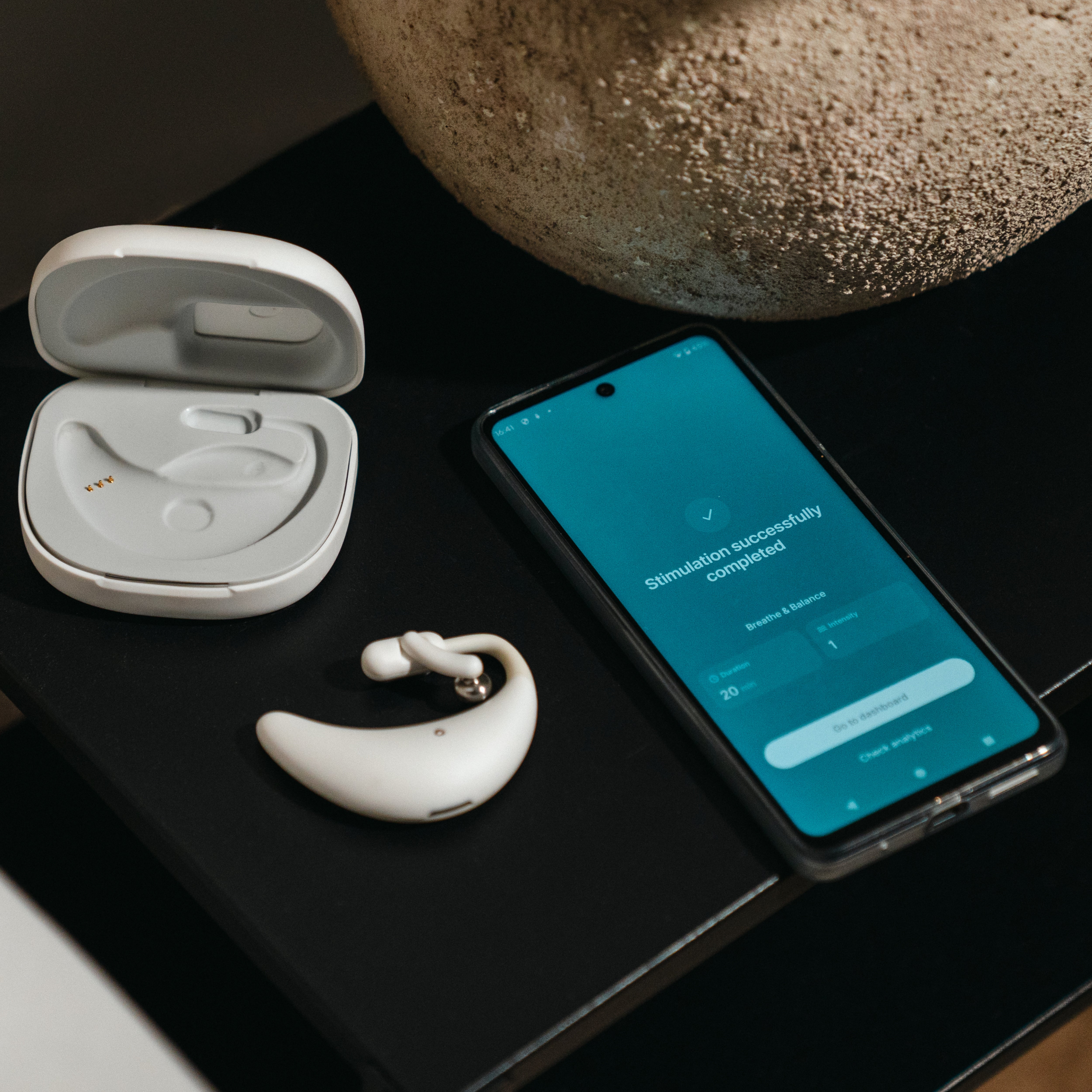
Ready to explore how vagus nerve stimulation could transform your relationship with stress and pain? Discover SONA - the world's first truly personalised, AI-powered vagus nerve stimulator. Unlike one-size-fits-all devices, SONA reads your body's unique signals and adapts in real-time for optimal results. Explore SONA or learn more about The Science Behind SONA.
Disclaimer
DISCLAIMER: Sona is a wellness device and is not a medically regulated product. The information in this article is for educational purposes only and does not constitute medical advice. We do not make any claims about Sona's ability to diagnose, treat, cure, or prevent any medical condition. Vagus nerve stimulation research referenced in this article relates to the broader field of VNS and may not be specific to any particular consumer device. Always consult a qualified healthcare professional before making decisions about your health.
Sources
- PRESTO trial (gammaCore for episodic cluster headaches and migraines)
- PREMIUM trial (chronic migraine prevention study)
- Lai et al. 2021 meta-analysis on non-invasive VNS for migraine
- MOBILE study comparing VNS to topiramate



Share:
Vagus Nerve Stimulation for Long COVID: Evidence-Based Treatment Guide
Vagus Nerve Stimulation for PTSD: Evidence-Based Guide 2026