


Transcutaneous vagus nerve stimulation (tVNS) is a non-invasive neuromodulation method that activates the vagus nerve through the skin, with peer-reviewed evidence supporting use in epilepsy, depression, inflammation, sleep, anxiety and autonomic dysfunction. Across more than 200 clinical trials and 25 years of research, tVNS shows consistent improvements in vagal tone, heart rate variability and symptom severity, with a safety profile favourable to implanted VNS.
This literature review analyses over two decades of clinical evidence, examining how vagus nerve stimulation has evolved from an experimental technique into an established therapeutic intervention supported by strong scientific data.
The scope of this review encompasses clinical trials, systematic reviews, and meta-analyses published between 2000 and 2026, focusing on the transition from invasive to non-invasive stimulation methods. What makes this particularly fascinating is the convergence of neuroscience, immunology, and bioengineering that has enabled the development of sophisticated vagus nerve stimulation devices that can modulate autonomic function without surgical intervention.
The evidence base for tVNS has expanded dramatically in recent years, with over 500 peer-reviewed publications demonstrating efficacy across neurological, psychiatric, and inflammatory conditions. This review synthesises the most significant findings, providing clinicians, researchers, and informed consumers with a complete understanding of where the science stands today.
Key Takeaways
- VNS has strong clinical evidence spanning 25+ years, with strongest support for epilepsy and treatment-resistant depression
- Transcutaneous methods show comparable efficacy to implanted devices for many indications, without surgical risks
- The inflammatory reflex discovery has opened new therapeutic applications in autoimmune and inflammatory conditions
- Response rates improve over time, distinguishing VNS from medications that may lose efficacy
- Safety profile is excellent with side effects limited mainly to mild, stimulation-related symptoms
- Personalised, closed-loop systems using AI and biometric feedback represent the future of VNS therapy
- Integration with other therapies (behavioural, pharmaceutical, digital) shows promise for enhanced outcomes
Quick Summary
- VNS has over 25 years of clinical evidence, with FDA approval for epilepsy (1997) and depression (2005)
- Non-invasive tVNS shows comparable efficacy to implanted devices in many applications
- Strongest evidence exists for epilepsy (40-50% responder rate) and treatment-resistant depression
- Emerging applications include inflammation, long COVID, PTSD, and sleep disorders
- Safety profile is excellent with minimal side effects compared to pharmaceutical interventions
- Personalised, closed-loop systems represent the future of VNS therapy
- Response rates vary significantly based on stimulation parameters and individual physiology
Historical Development and Research Progression
The journey of vagus nerve stimulation from experimental therapy to established treatment modality spans over three decades of intensive research and clinical innovation. The foundational work began in the 1980s when researchers first demonstrated that electrical stimulation of the vagus nerve could suppress seizures in animal models.
The key moment came in 1997 when the FDA approved the first implantable VNS device for treatment-resistant epilepsy. This landmark decision was based on two double-blind, randomised controlled trials (E03 and E05) that demonstrated significant seizure reduction in patients who had failed multiple antiepileptic drugs. The success in epilepsy opened the door for exploration in other conditions, leading to FDA approval for treatment-resistant depression in 2005.
What's notable about the research trajectory is how technological advances have enabled the shift from invasive to non-invasive approaches. Early VNS required surgical implantation of electrodes around the cervical vagus nerve, limiting its accessibility and introducing surgical risks. The breakthrough came with the development of transcutaneous stimulation methods that could activate vagal afferents through the skin, particularly through the auricular branch at the ear.
The acceleration of tVNS research from 2010 onwards coincided with advances in our understanding of the inflammatory reflex and the cholinergic anti-inflammatory pathway. This convergence of neuroscience and immunology has expanded the therapeutic applications far beyond the original neurological indications.
Today, the literature encompasses diverse stimulation protocols, from traditional open-loop systems to sophisticated closed-loop devices that adapt stimulation based on physiological feedback. The evolution towards personalised, AI-driven approaches represents advances in current research, with systems that can optimise parameters for individual physiology and therapeutic goals.
Mechanisms of Action: How Vagus Nerve Stimulation Works
Understanding how vagus nerve stimulation produces its therapeutic effects requires appreciation of the complex neuroanatomical pathways and physiological cascades involved. The vagus nerve, as the longest cranial nerve, provides a direct highway between the periphery and the central nervous system, with 80% of its fibres carrying afferent signals to the brain.
When electrical stimulation is applied to vagal afferents, whether through implanted electrodes or transcutaneous methods, the signals travel through the nucleus tractus solitarius (NTS) in the brainstem. From there, projections reach multiple brain regions including the locus coeruleus, raphe nuclei, thalamus, and ultimately cortical areas involved in mood, cognition, and autonomic regulation. This widespread connectivity explains the diverse therapeutic applications of VNS.
The inflammatory reflex pathway represents one of the most significant discoveries in VNS research. Vagal efferents release acetylcholine, which binds to α7 nicotinic receptors on macrophages, inhibiting the production of pro-inflammatory cytokines like TNF-α and IL-6. This cholinergic anti-inflammatory pathway provides a non-pharmacological mechanism for modulating inflammation.
Neurotransmitter modulation is another important mechanism. VNS influences multiple neurotransmitter systems, increasing norepinephrine release from the locus coeruleus, modulating serotonergic transmission from the raphe nuclei, and affecting GABAergic inhibitory circuits. These changes contribute to the anticonvulsant and antidepressant effects observed in clinical trials.
The impact on heart rate variability and autonomic balance is particularly well-documented. VNS enhances parasympathetic tone, counteracting the sympathetic dominance seen in many chronic conditions. This autonomic rebalancing manifests as increased HRV, improved baroreflex sensitivity, and enhanced stress resilience.
Dose-response relationships have emerged as a critical area of research. Studies indicate that therapeutic outcomes depend on multiple parameters including frequency (typically 20-30 Hz), pulse width (250-500 μs), intensity, and duty cycle. The optimal parameters vary by indication and individual physiology, highlighting the importance of personalised approaches to maximise therapeutic benefit.
Clinical Applications and Therapeutic Indications
The therapeutic applications of vagus nerve stimulation have expanded dramatically from its initial indication for epilepsy to encompass a wide range of neurological, psychiatric, and inflammatory conditions. Currently, VNS has regulatory approval for epilepsy, treatment-resistant depression, and more recently, stroke rehabilitation and cluster headaches.
FDA-approved indications represent just the tip of the iceberg. Off-label uses supported by varying levels of evidence include anxiety disorders, PTSD, inflammatory bowel disease, rheumatoid arthritis, heart failure, and cognitive enhancement. The breadth of applications reflects the fundamental role of the vagus nerve in maintaining homeostasis across multiple body systems.
Patient selection criteria have been refined through years of clinical experience. Ideal candidates typically have failed conventional therapies, have adequate cognitive function to participate in treatment, and absence of significant cardiac arrhythmias or vocal cord dysfunction. Contraindications are relatively few but include bilateral vagotomy, progressive neurological conditions, and certain cardiac conduction abnormalities.
The evidence hierarchy varies significantly across indications. While epilepsy and depression have Level I evidence from multiple randomised controlled trials, emerging applications often rely on smaller studies, case series, or mechanistic rationale. This review examines each major indication, evaluating the strength of evidence and clinical outcomes reported in the literature.
Epilepsy Treatment: The Foundation of VNS Research
Epilepsy remains the most extensively studied indication for vagus nerve stimulation, with over 25 years of clinical data demonstrating sustained efficacy in treatment-resistant patients. The landmark trials that led to FDA approval showed a median seizure reduction of 25-30% at three months, with response rates improving over time.
Long-term follow-up studies have revealed the notable durability of VNS effects. The largest registry study, involving over 5,000 patients, demonstrated that seizure reduction continued to improve beyond five years of therapy, with 49% of patients achieving ≥50% seizure reduction. This progressive improvement distinguishes VNS from many pharmacological interventions that lose efficacy over time.
Paediatric populations have shown particularly encouraging results. Children with treatment-resistant epilepsy often achieve better response rates than adults, with studies reporting 50% or greater seizure reduction in up to 60% of paediatric patients. The ability to avoid cognitive side effects associated with multiple antiepileptic drugs makes VNS especially valuable in developing brains.
Quality of life improvements often exceed what would be expected from seizure reduction alone. Patients report enhanced mood, alertness, and memory independent of seizure control. These secondary benefits likely reflect the broader neuromodulatory effects of VNS on brain networks involved in cognition and affect.
Predictors of response remain an active area of investigation. While no definitive biomarkers exist, factors associated with better outcomes include younger age at implantation, absence of cortical dysplasia, and predominance of partial seizures. Recent research suggests that pretreatment HRV and specific EEG patterns may help identify optimal candidates.
Depression and Mental Health: Expanding Evidence Base
The application of VNS for treatment-resistant depression represents one of the most significant expansions beyond epilepsy, with compelling evidence for both acute and long-term benefits. The key trial that led to FDA approval demonstrated response rates of 30-40% in patients who had failed multiple antidepressant trials.
What makes the depression data particularly interesting is the pattern of response over time. Unlike traditional antidepressants that typically show maximal effect within 6-8 weeks, VNS response continues to accumulate over months to years. The five-year naturalistic follow-up study showed response rates increasing from 30% at one year to 68% at five years, suggesting fundamental changes in neural circuitry.
Mechanistic studies have elucidated how VNS affects mood-regulating networks. Neuroimaging reveals increased activity in the dorsolateral prefrontal cortex and anterior cingulate cortex, regions implicated in emotional regulation. Changes in default mode network connectivity correlate with clinical improvement, providing objective markers of treatment response.
Beyond major depression, emerging evidence supports VNS for other psychiatric conditions. Preliminary studies in bipolar disorder show mood stabilisation with reduced cycling frequency. Anxiety disorders, particularly those with high autonomic arousal, respond favourably to the parasympathetic enhancement provided by VNS.
The integration of VNS with psychotherapy represents an exciting frontier. Early studies suggest that VNS may enhance neuroplasticity, potentially augmenting the effects of cognitive behavioural therapy or exposure-based treatments. This combination approach aligns with contemporary understanding of psychiatric disorders as network dysfunctions requiring multimodal intervention.
Want to explore the specific evidence for stress and anxiety? Read our complete guide: [VNS for Stress and Anxiety: A Review of the Clinical Evidence](https://sona.help/blogs/news/vns-stress-anxiety-evidence)
Inflammatory Conditions: The Cholinergic Anti-inflammatory Pathway
The discovery of the inflammatory reflex has transformed our understanding of neuro-immune interactions and opened entirely new therapeutic avenues for VNS. This pathway, first described by Tracey and colleagues, demonstrates how vagal stimulation can directly modulate systemic inflammation through neural rather than humoral mechanisms.
Rheumatoid arthritis serves as the proof-of-concept for anti-inflammatory applications. A landmark pilot study showed that VNS significantly reduced disease activity scores and inflammatory markers in patients with active RA despite methotrexate therapy. Notably, improvements in joint swelling and tenderness correlated with reductions in TNF-α and IL-6 levels.
Inflammatory bowel disease represents another promising application. Both Crohn's disease and ulcerative colitis involve dysregulated immune responses that the vagus nerve normally helps control. Clinical trials have demonstrated improvements in disease activity indices, with some patients achieving clinical remission. The ability to reduce inflammation without systemic immunosuppression offers significant advantages over conventional therapies.
The mechanisms extend beyond simple cytokine suppression. VNS influences T-cell differentiation, promoting regulatory T-cell populations while inhibiting Th1 and Th17 responses. This immunomodulation occurs through both direct neural pathways and indirect effects on the hypothalamic-pituitary-adrenal axis.
COVID-19 and post-viral syndromes have emerged as urgent applications. The cytokine storm characteristic of severe COVID-19 theoretically responds to vagal anti-inflammatory signalling. Early studies suggest VNS may reduce inflammatory markers and improve outcomes in hospitalised patients, though larger trials are needed.
Sleep and Circadian Rhythm Research
The relationship between vagus nerve stimulation and sleep represents a rapidly evolving research frontier with profound implications for both therapeutic applications and our understanding of autonomic regulation during sleep. The vagus nerve plays a important role in the transition between wake and sleep states, modulating the autonomic balance necessary for restorative sleep.
Clinical studies have documented significant improvements in sleep architecture following VNS therapy. Polysomnographic data reveals increases in slow-wave sleep, the deepest and most restorative sleep stage, along with improvements in sleep efficiency and reductions in sleep fragmentation. These changes occur independently of improvements in primary conditions like epilepsy or depression, suggesting direct effects on sleep-regulating circuits.
The timing of stimulation relative to circadian rhythms has emerged as a critical variable. Research indicates that evening stimulation may enhance parasympathetic tone during the critical pre-sleep period, facilitating the autonomic shift necessary for sleep initiation. Conversely, morning stimulation can support the sympathetic activation needed for daytime alertness and performance.
Sleep-disordered breathing, particularly obstructive sleep apnoea, shows promising responses to VNS. By enhancing upper airway muscle tone and stabilising respiratory patterns, vagal stimulation can reduce apnoea-hypopnoea indices. This represents a potential alternative to continuous positive airway pressure (CPAP) for patients who cannot tolerate traditional therapies.
The bidirectional relationship between sleep and vagal function creates opportunities for therapeutic combination. Poor sleep impairs vagal tone, while enhanced vagal function improves sleep quality. This positive feedback loop suggests that VNS interventions targeting sleep may have cascading benefits for overall health and autonomic balance.
Discover the detailed research on VNS and sleep: [The Science Behind Vagus Nerve Stimulation for Sleep: What the Research Says](https://sona.help/blogs/news/vns-sleep-research-review)
Stress, Anxiety and Autonomic Regulation
The application of VNS for stress and anxiety disorders represents a natural extension of its autonomic modulatory effects, with growing evidence supporting its use in conditions characterised by sympathetic hyperarousal and impaired stress resilience. The vagus nerve serves as the primary pathway for parasympathetic outflow, making it an ideal target for interventions aimed at reducing physiological and psychological stress responses.
Clinical trials in generalised anxiety disorder have shown promising results, with significant reductions in Hamilton Anxiety Rating Scale scores and improvements in quality of life measures. What's particularly notable is the rapid onset of anxiolytic effects, often within days to weeks, compared to the delayed response typical of SSRIs. This suggests different mechanisms of action that may complement traditional pharmacotherapy.
Post-traumatic stress disorder presents unique challenges and opportunities for VNS therapy. The hypervigilance and autonomic dysregulation characteristic of PTSD theoretically respond to vagal enhancement. Early studies combining VNS with exposure therapy show enhanced extinction learning and reduced physiological reactivity to trauma cues. The ability to modulate fear circuits while maintaining cognitive clarity offers advantages over sedating medications.
Heart rate variability serves as both a biomarker and therapeutic target in stress-related conditions. VNS consistently increases HRV parameters, particularly those reflecting parasympathetic activity like RMSSD and high-frequency power. These improvements correlate with subjective stress reduction and enhanced emotional regulation capacity.
The integration of VNS with mindfulness and stress reduction techniques represents an emerging model. Preliminary evidence suggests that vagal stimulation may enhance the neuroplastic changes associated with meditation and mindfulness practices. This combination between device-based and behavioural interventions aligns with integrative approaches to mental health.
Safety Profile and Adverse Effects
The safety profile of vagus nerve stimulation has been extensively characterised through decades of clinical use, with transcutaneous methods showing even fewer adverse effects than implanted devices. This favourable safety profile, combined with efficacy across multiple conditions, positions VNS as an attractive alternative to pharmacological interventions with their associated systemic side effects.
For implanted VNS devices, the most common adverse effects relate to stimulation of non-target structures. Voice alteration or hoarseness occurs in approximately 60% of patients during stimulation but typically resolves with parameter adjustment. Cough, throat discomfort, and dysphagia represent other stimulation-related effects that are generally mild and tolerable. Surgical risks, while minimal with experienced operators, include infection (3-4%) and rare instances of vocal cord paralysis.
Transcutaneous VNS demonstrates an even more benign safety profile. The most frequently reported effects are mild skin irritation at the electrode site and occasional headaches. Systemic adverse effects are virtually absent, reflecting the localised nature of stimulation. No serious adverse events have been attributed to tVNS in published trials, though long-term data continues to accumulate.
Cardiac safety has received particular scrutiny given the vagus nerve's role in heart rate regulation. Extensive monitoring has shown no clinically significant bradycardia or arrhythmias with standard stimulation parameters. In fact, the improvement in autonomic balance may confer cardiovascular benefits, as evidenced by enhanced HRV and reduced blood pressure variability.
Contraindications are relatively few but important to respect. Bilateral vagotomy, whether surgical or functional, precludes VNS therapy. Progressive neurological conditions may limit effectiveness. Pregnancy remains a relative contraindication pending further safety data, though some women have successfully continued therapy throughout pregnancy under close monitoring.
The comparison with pharmaceutical alternatives highlights VNS's safety advantages. Unlike antiepileptic drugs or antidepressants, VNS does not cause cognitive dulling, weight gain, sexual dysfunction, or metabolic disturbances. This preservation of quality of life while achieving therapeutic benefit represents a significant advance in neuromodulation therapy.
Future Research Directions and Emerging Applications
The future of vagus nerve stimulation research promises exciting developments in both technology and clinical applications. The convergence of artificial intelligence, personalised medicine, and advanced biosensing is creating opportunities for more precise and effective interventions than ever before possible.
Closed-loop systems represent the next frontier in VNS technology. These devices continuously monitor physiological parameters such as HRV, EEG, or inflammatory markers, adjusting stimulation parameters in real-time to optimise therapeutic outcomes. Early prototypes show superior efficacy compared to open-loop systems, with the potential to dramatically improve response rates across all indications.
Biomarker development remains a critical research priority. While clinical response to VNS varies considerably between individuals, we lack reliable predictors of treatment success. Emerging candidates include pre-treatment HRV patterns, specific genetic polymorphisms affecting cholinergic signalling, and neuroimaging markers of vagal connectivity. Machine learning approaches may identify multimodal biomarker signatures that guide patient selection and parameter optimisation.
Novel clinical applications continue to emerge based on expanding understanding of vagal physiology. Metabolic disorders, including obesity and type 2 diabetes, show promising preliminary results given the vagus nerve's role in satiety signalling and glucose homeostasis. Neurodegenerative conditions like Alzheimer's disease may benefit from VNS's anti-inflammatory and neurotrophic effects. Long COVID and other post-viral syndromes represent urgent applications given the autonomic dysfunction and persistent inflammation characteristic of these conditions.
The integration of VNS with other therapeutic modalities opens new possibilities. Combination with targeted pharmaceuticals may allow dose reduction while maintaining efficacy. Pairing with rehabilitation therapies could enhance neuroplasticity and functional recovery. The combination with digital therapeutics and behavioural interventions represents a particularly promising avenue for personalised, multimodal treatment approaches.
Regulatory pathways are evolving to accommodate these innovations. The FDA's Digital Health Software Precertification Program may expedite approval of AI-driven VNS systems. International harmonisation of tVNS standards could facilitate global access to these technologies. As evidence accumulates, insurance coverage expansion will be important for ensuring equitable access to VNS therapies.
Frequently Asked Questions
What conditions does vagus nerve stimulation treat?
VNS has FDA approval for epilepsy, treatment-resistant depression, cluster headaches, and stroke rehabilitation. Research also supports its use for anxiety, PTSD, inflammatory conditions (rheumatoid arthritis, inflammatory bowel disease), sleep disorders, and chronic pain. The broad therapeutic applications reflect the vagus nerve's role in regulating multiple body systems including neural, immune, and metabolic functions.
How effective is vagus nerve stimulation according to research?
Effectiveness varies by condition and individual response. For epilepsy, approximately 50% of patients achieve ≥50% seizure reduction after 2-3 years. In treatment-resistant depression, response rates reach 68% at five years. Inflammatory conditions show 20-30% improvement in disease activity scores. Sleep quality improvements of 30-40% are commonly reported. These outcomes compare favourably to many pharmaceutical interventions, especially considering the minimal side effect profile.
What is the difference between VNS and tVNS?
VNS (vagus nerve stimulation) traditionally refers to implanted devices that directly stimulate the cervical vagus nerve via surgical placement. TVNS (transcutaneous vagus nerve stimulation) delivers stimulation through the skin, typically at the ear where the auricular branch is accessible. Research shows tVNS can achieve similar therapeutic effects to implanted VNS for many conditions, without surgical risks and at lower cost.
How long does vagus nerve stimulation take to work?
The timeline varies significantly by condition. Acute effects on anxiety and autonomic function can occur within minutes to hours. For epilepsy, initial benefits typically emerge within 3-6 months, with continued improvement over years. Depression shows a unique pattern with responses accumulating over 6-12 months and continuing to improve for up to five years. Sleep improvements often begin within 2-4 weeks of regular use.
What is the success rate of vagus nerve stimulation?
Success rates depend on the condition and definition of response. For epilepsy, 40-50% achieve clinically meaningful seizure reduction (≥50% decrease). Depression response rates reach 30-40% at one year and 68% at five years. Inflammatory conditions show 60-70% of patients experiencing some improvement. Sleep disorders demonstrate 70-80% reporting subjective improvement. These rates reflect treatment-resistant populations who had failed conventional therapies.
Is vagus nerve stimulation FDA approved?
Yes, implanted VNS devices have FDA approval for several conditions: treatment-resistant epilepsy (1997), treatment-resistant depression (2005), cluster headaches (2017), and ischemic stroke rehabilitation (2021). Many transcutaneous devices have FDA clearance for specific indications. However, numerous applications discussed in research remain off-label uses supported by clinical evidence but not yet formally approved.
Who is a candidate for vagus nerve stimulation?
Ideal candidates typically have failed multiple conventional treatments for their condition, have adequate cognitive function to participate in therapy, and absence of significant contraindications. Specific criteria vary by indication but generally include: documented treatment resistance, realistic expectations, absence of progressive neurological disease, and no significant cardiac conduction abnormalities. Age ranges from paediatric (≥4 years for epilepsy) to elderly populations.
What are the side effects of vagus nerve stimulation?
Side effects are generally mild and well-tolerated. For implanted VNS: voice changes (60%), throat discomfort (30%), cough (25%), and mild dysphagia (15%) during stimulation. These typically resolve with parameter adjustment. Transcutaneous VNS shows even fewer effects: mild skin irritation (10%), occasional headaches (5%), and temporary tingling at the stimulation site. Serious adverse events are rare (<1%), making VNS safer than most pharmaceutical alternatives.
Conclusion
This complete literature review demonstrates that vagus nerve stimulation has evolved from an experimental epilepsy treatment to a versatile neuromodulation therapy supported by extensive clinical evidence. The transition from invasive to transcutaneous methods has democratised access while maintaining therapeutic efficacy across neurological, psychiatric, and inflammatory conditions.
The research trajectory shows consistent themes: favourable safety profiles, progressive improvement over time, and benefits extending beyond primary therapeutic targets. As our understanding of vagal physiology deepens and technology advances toward personalised, closed-loop systems, VNS is positioned to play an increasingly important role in integrative healthcare approaches.
The future of VNS lies in precision medicine: matching the right stimulation parameters to individual physiology and therapeutic goals. With continued research into biomarkers, optimal protocols, and novel applications, vagus nerve stimulation represents a notable change in how we approach chronic conditions that have proven resistant to conventional interventions.
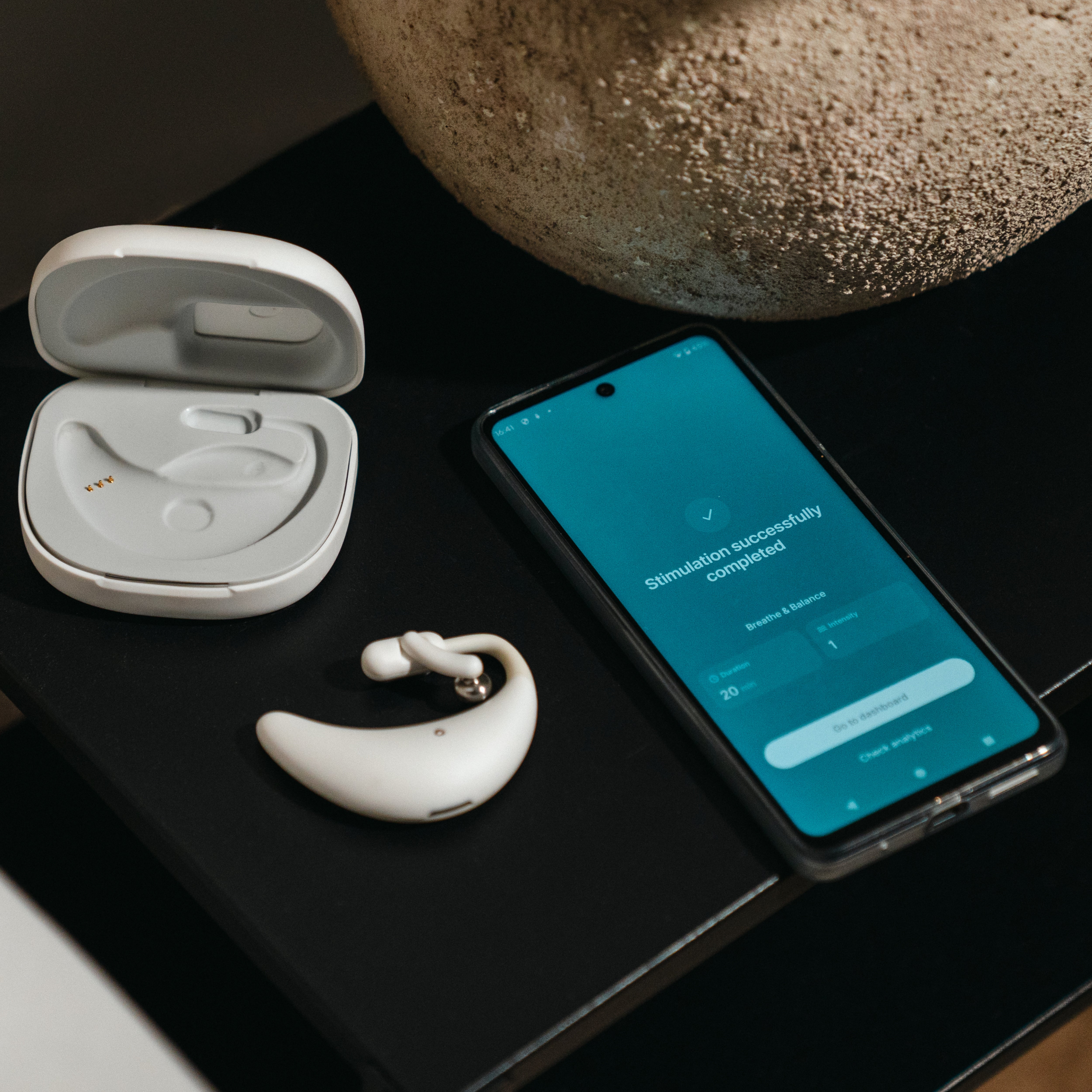
Ready to explore how personalised vagus nerve stimulation could support your wellness journey? Discover SONA's AI-powered approach to VNS that adapts to your unique physiology in real-time, optimising every session for maximum benefit.
Disclaimer
**DISCLAIMER:** Sona is a wellness device and is not a medically regulated product. The information in this article is for educational purposes only and does not constitute medical advice. We do not make any claims about Sona's ability to diagnose, treat, cure, or prevent any medical condition. Vagus nerve stimulation research referenced in this article relates to the broader field of VNS and may not be specific to any particular consumer device. Always consult a qualified healthcare professional before making decisions about your health.
References
- Vagus Nerve Stimulation Study Group (1995). A randomized controlled trial of chronic vagus nerve stimulation for treatment of medically intractable seizures. Neurology, 45(2), 224-230.
- Rush, A. J., et al. (2005). Vagus nerve stimulation for treatment-resistant depression: a randomized, controlled acute phase trial. Biological Psychiatry, 58(5), 347-354.
- Tracey, K. J. (2002). The inflammatory reflex. Nature, 420(6917), 853-859.
- Koopman, F. A., et al. (2016). Vagus nerve stimulation inhibits cytokine production and attenuates disease severity in rheumatoid arthritis. Proceedings of the National Academy of Sciences, 113(29), 8284-8289.
- Bonaz, B., et al. (2016). Chronic vagus nerve stimulation in Crohn's disease: a 6‐month follow‐up pilot study. Neurogastroenterology & Motility, 28(6), 948-953.
- Howland, R. H. (2014). Vagus nerve stimulation. Current Behavioral Neuroscience Reports, 1(2), 64-73.
- Johnson, R. L., & Wilson, C. G. (2018). A review of vagus nerve stimulation as a therapeutic intervention. Journal of Inflammation Research, 11, 203-213.
- Yap, J. Y., et al. (2020). Critical review of transcutaneous vagus nerve stimulation: challenges for translation to clinical practice. Frontiers in Neuroscience, 14, 284.


Share:
7 Best Wellness Apps for Entrepreneurs in 2026 (Tested)
Student Sleep and Focus Guide: Beat Exam Stress (2026)