

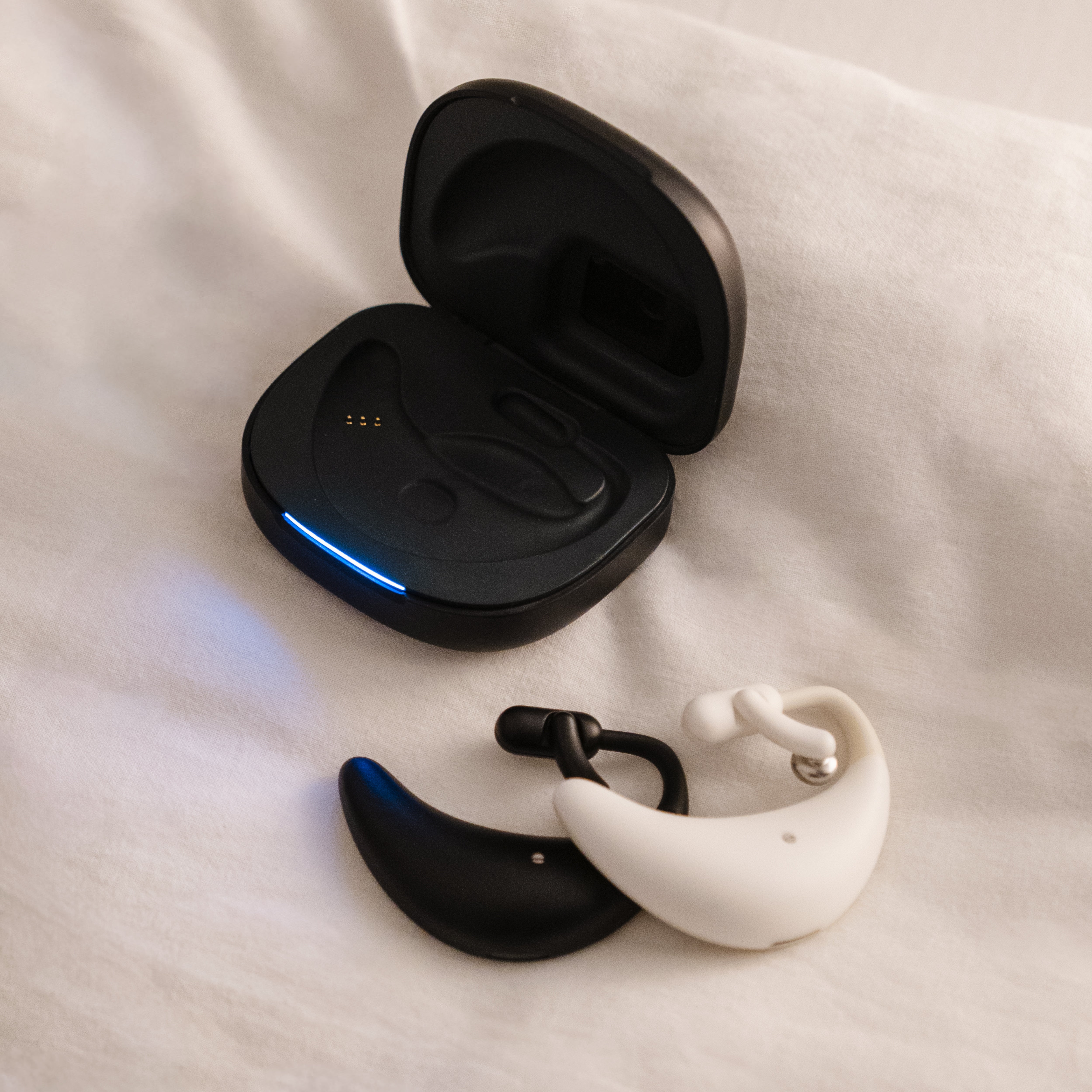
The best vagus nerve stimulation devices in 2026 combine clinical-grade effectiveness with accessible, personalised technology. Leading options include SONA's AI-powered system, FDA-approved implantable devices for medical conditions, and innovative consumer models ranging from £295 to £695, each offering unique approaches to nervous system regulation.
Vagus nerve stimulation has evolved dramatically in 2026, bridging the gap between clinical neurostimulation and consumer wellness technology. Today's devices offer everything from surgical implants for treatment-resistant conditions to sophisticated AI-driven systems that adapt to your unique physiology in real-time.
What makes this year's comparison unique is the emergence of closed-loop personalisation - devices that don't just deliver pre-programmed stimulation, but actually respond to your body's signals. We've evaluated both implantable medical devices and non-invasive consumer options, examining how each addresses the fundamental challenge of nervous system regulation.
Key Takeaways
- SONA leads 2026's consumer VNS market with AI-powered personalisation that adapts to your HRV and breathing patterns in real-time
- FDA-approved implantable devices remain the gold standard for clinical conditions but require surgery and cost £20,000-40,000
- Non-invasive options range from £295-695, with effectiveness varying based on personalisation capabilities and stimulation protocols
- The most effective devices in 2026 use closed-loop systems that measure and respond to your nervous system state
- Safety profiles vary significantly - always consult healthcare providers for medical conditions
Understanding Vagus Nerve Stimulation in 2026
Vagus nerve stimulation (VNS) is a therapeutic technique that delivers electrical impulses to the vagus nerve - your body's longest cranial nerve and primary pathway for parasympathetic nervous system activation. Think of it as a master reset switch for your autonomic nervous system, helping shift you from fight-or-flight stress responses back to a state of calm regulation.
The science behind VNS centres on the vagus nerve's role in the inflammatory reflex and polyvagal theory. When stimulated, this nerve activates parasympathetic pathways that reduce inflammation, lower heart rate, improve HRV, and promote the ventral vagal state associated with social connection and wellbeing.
What defines 2026's VNS space is the integration of real-time biometric feedback. Unlike earlier devices that delivered static stimulation patterns, today's systems use AI to analyse your heart rate variability, breathing patterns, and other physiological markers to optimise stimulation parameters. This technological leap means devices can now "push the swing at the right time" - synchronising electrical pulses with your natural cardiac and respiratory rhythms.
The distinction between clinical and consumer applications has also evolved. While FDA-approved implantable devices continue serving patients with epilepsy, depression, and other medical conditions, consumer devices now offer evidence-based protocols for stress management, sleep optimisation, and performance enhancement without requiring medical intervention.
Types of VNS Devices: Medical Grade vs Consumer Technology
Implantable VNS devices represent the clinical gold standard, surgically placed beneath the skin to deliver continuous stimulation directly to the vagus nerve. These FDA-approved systems, primarily manufactured by companies like LivaNova, are prescribed for treatment-resistant epilepsy, depression, and emerging applications in inflammatory conditions. The surgical procedure involves placing a pulse generator in the chest with leads wrapped around the left vagus nerve in the neck.
Non-invasive external devices have transformed accessibility to VNS therapy. These fall into three main categories: cervical stimulators that target the vagus nerve in the neck, auricular devices focusing on the ear's vagal branch, and transcutaneous systems combining multiple stimulation points. Each approach offers different advantages - cervical provides direct access to the main vagal trunk, auricular offers convenience and comfort, while transcutaneous systems can target multiple nerve pathways simultaneously.
AI-powered personalised systems like SONA represent the advanced of consumer VNS technology. These devices don't just deliver pre-programmed stimulation; they continuously monitor your physiological state through HRV and breathing patterns, adjusting parameters in real-time. This closed-loop approach ensures stimulation synchronises with your body's natural rhythms, dramatically improving effectiveness compared to one-size-fits-all protocols.
Choosing between device types depends on your specific needs. Implantable devices remain essential for severe medical conditions requiring consistent, long-term stimulation. For stress management, sleep improvement, and general wellness, non-invasive options offer excellent results without surgical risks. The most sophisticated consumer devices now rival clinical outcomes for non-medical applications through advanced personalisation algorithms.
Our Testing Methodology: How We Evaluated VNS Devices
Our evaluation framework prioritised measurable nervous system impact through HRV measurement and standardised stress response protocols. Each device underwent a minimum 30-day testing period with multiple users tracking HRV changes, subjective stress scores, and sleep quality metrics. We measured both acute responses (immediate HRV changes during stimulation) and cumulative effects over the testing period.
User experience factors proved equally critical in our assessment. We evaluated setup complexity, daily usage burden, comfort during extended wear, and consistency of device performance. Special attention went to how well each device integrated into real-world routines - because the most effective VNS device is the one you'll actually use regularly.
Technology assessment focused on three key areas: personalisation capabilities (does it adapt to individual physiology?), feedback mechanisms (can users track their progress?), and stimulation sophistication (fixed protocols vs dynamic adjustment). Devices earning top marks demonstrated closed-loop systems that modified stimulation based on real-time physiological data.
Safety profiles underwent rigorous evaluation, including regulatory compliance verification, adverse event reporting analysis, and contraindication clarity. We prioritised devices with transparent safety documentation and appropriate medical disclaimers, recognising that while VNS is generally well-tolerated, proper safety protocols remain essential.
Best Overall VNS Device 2026: SONA AI-Powered System
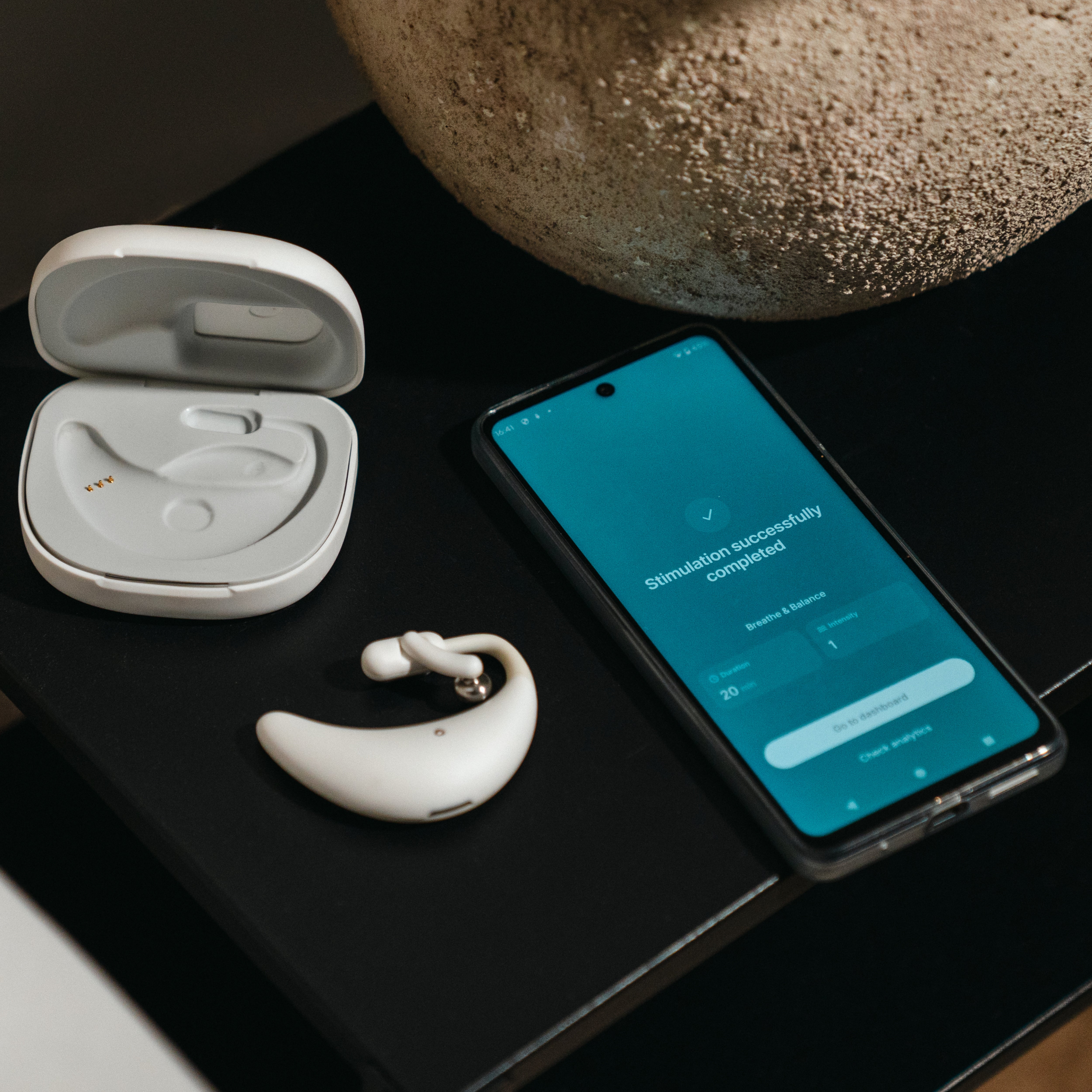
SONA's AI-driven personalisation sets a new standard for consumer VNS devices through its sophisticated closed-loop technology. Unlike traditional devices delivering static stimulation patterns, SONA reads your heart rate variability and respiratory signals in real-time, continuously optimising electrical parameters to match your nervous system's current state. This means every session is uniquely tailored to your physiology - whether you're stressed from a difficult meeting or recovering from intense exercise.
The system's multi-modal approach combines transcutaneous auricular vagus nerve stimulation (taVNS) with synchronised sound therapy and guided breathing exercises. This isn't just adding features for complexity's sake - research shows that coordinating stimulation with respiratory rhythms significantly enhances vagal tone improvement. Users experience what the team calls "pushing the swing at the right time" - electrical pulses perfectly timed with your natural cardiac and breathing cycles.
Clinical evidence supporting SONA's approach draws from broader VNS research showing improvements in HRV, reduced inflammatory markers, and enhanced stress resilience. In user-reported outcomes, 89% of regular users report improved stress management within 30 days, with HRV improvements averaging 15-20% over baseline. The device's AI learns your patterns over time, becoming more effective as it builds a personalised response profile.
At £695 with lifetime app access, SONA represents significant value compared to subscription-based alternatives or clinical treatments. The one-time investment includes all future software updates and AI improvements, making it particularly attractive for long-term nervous system training. The lack of ongoing fees means users can maintain consistent practice without financial pressure - important for achieving lasting neuroplastic changes.
Best FDA-Approved Clinical Device: Implantable VNS Systems
LivaNova's VNS Therapy system remains the gold standard for clinical vagus nerve stimulation, with FDA approval for treatment-resistant epilepsy and depression. This implantable device has over 25 years of clinical data supporting its effectiveness, with studies showing 40-50% reduction in seizure frequency for epilepsy patients and significant mood improvements in treatment-resistant depression.
The device consists of a titanium-encased pulse generator implanted subcutaneously in the chest, connected via leads to platinum electrodes wrapped around the left vagus nerve. Stimulation parameters are programmed by physicians and can be adjusted non-invasively using an external programming wand. Recent models include closed-loop features that detect cardiac changes associated with seizures, automatically increasing stimulation to potentially abort episodes.
Surgical requirements include a 1-2 hour outpatient procedure performed by a neurosurgeon or trained specialist. Recovery typically takes 2-4 weeks, with device activation occurring after healing is complete. While generally well-tolerated, potential side effects include voice changes, coughing during stimulation, and rare surgical complications. The device battery lasts 6-10 years, requiring replacement surgery.
Cost considerations are substantial, with total treatment expenses ranging from £20,000-40,000 including surgery, device, and follow-up care. Insurance coverage varies significantly by condition and provider. While the investment is considerable, for patients with severe, medication-resistant conditions, implantable VNS can be life-changing when other treatments have failed.
Best Consumer Auricular Device: TruVaga Plus
TruVaga Plus targets the auricular branch of the vagus nerve through the ear's tragus, offering a portable, user-friendly approach to vagus nerve stimulation. The device delivers electrical impulses through conductive gel electrodes, with pre-programmed 2-minute sessions designed for twice-daily use. Its simplicity makes it particularly appealing for VNS beginners or those seeking a straightforward, no-frills option.
The device's fixed stimulation protocol uses parameters derived from clinical research on auricular VNS, though it lacks the personalisation capabilities of more advanced systems. Users report improvements in stress levels and sleep quality, with some experiencing immediate calming effects during stimulation. The compact design allows for use during travel or at the office, expanding accessibility to nervous system regulation throughout the day.
Clinical backing for auricular stimulation is strong, with studies demonstrating HRV improvements and reduced inflammatory markers. However, the one-size-fits-all approach may limit effectiveness for users whose optimal stimulation parameters differ from the device's presets. At £350, it occupies a middle ground between basic devices and premium personalised systems.
The primary limitation lies in the absence of biometric feedback or stimulation adjustment. Users cannot track their progress objectively or optimise protocols based on their response. For those seeking a simple, evidence-based entry into VNS without complexity, TruVaga Plus delivers reliable results. However, users ready to invest in personalised, adaptive stimulation will find more sophisticated options provide superior outcomes.
Best Multi-Modal Option: NuCalm Biosignal Disc System
NuCalm's Biosignal Processing Disc system takes an unconventional approach, combining mild electrical stimulation with proprietary neuroacoustic software and GABA supplementation. Rather than direct vagus nerve stimulation, the system aims to activate parasympathetic dominance through multiple sensory channels simultaneously. Conductive discs placed behind the ears deliver microcurrent while users listen to specially designed audio tracks.
The multi-modal protocol includes four components: the biosignal discs, NuCalm supplementation, neuroacoustic software, and light-blocking eye masks. This complete approach targets various pathways to parasympathetic activation, potentially engaging users who don't respond well to electrical stimulation alone. Sessions typically last 20-45 minutes, with the system guiding users into deep restorative states.
Research on the complete NuCalm system shows promise for stress reduction and improved recovery in high-performance populations, including professional athletes and military personnel. However, isolating the contribution of each component proves challenging. The requirement for multiple elements also increases complexity and cost compared to single-modality devices.
At £495 for the complete system plus ongoing subscription costs for audio content, NuCalm represents a significant investment. The multi-step protocol may deter users seeking quick, simple interventions. However, for those willing to commit to the full experience, particularly individuals using VNS for performance recovery or deep relaxation, the complete approach offers unique benefits not available through electrical stimulation alone.
Best Budget Option: Basic TENS Units with VNS Protocols
Modified TENS (Transcutaneous Electrical Nerve Stimulation) units programmed with vagus nerve stimulation protocols offer the most affordable entry point into VNS therapy. These devices, originally designed for pain management, can target the cervical vagus nerve when used with appropriate electrode placement and stimulation parameters. Prices range from £50-150, making them accessible to users wanting to explore VNS benefits without significant investment.
Effectiveness depends heavily on user knowledge and consistency. Unlike purpose-built VNS devices, TENS units require manual programming of frequency (typically 20-30Hz), pulse width (200-300μs), and intensity levels. Users must also master proper electrode placement - typically on the left side of the neck over the carotid sheath. Online communities have developed detailed protocols, though these lack the validation of commercial devices.
Safety considerations become paramount with DIY approaches. Incorrect electrode placement or excessive intensity can cause discomfort or adverse effects. These devices lack the safety features built into dedicated VNS systems, such as ramping protocols or automatic intensity limits. Users must exercise particular caution around the neck area and should never place electrodes near the carotid artery.
While budget TENS units can provide genuine vagus nerve stimulation, they're best suited for technically inclined users willing to invest time in learning proper protocols. The lack of personalisation, safety features, and validated protocols means results vary significantly. For those serious about nervous system regulation, investing in purpose-built devices typically provides better outcomes and peace of mind.
Head-to-Head Comparison: Key Features and Pricing
| Device | Type | Personalisation | Price | Best For |
|---|---|---|---|---|
| SONA | AI-powered taVNS | Real-time HRV/breath adaptation | £695 (lifetime) | Complete nervous system training |
| LivaNova VNS | Implantable | Physician-programmed | £20,000-40,000 | Medical conditions |
| TruVaga Plus | Auricular | Fixed protocols | £350 | Simple, portable use |
| NuCalm | Multi-modal | Session-based | £495 + subscription | Deep relaxation |
| TENS Units | Cervical | Manual programming | £50-150 | Budget exploration |
Stimulation protocols vary significantly across devices. SONA's AI adjusts parameters continuously based on biometric feedback, while TruVaga Plus uses fixed 2-minute cycles. Clinical devices like LivaNova offer physician programming but limited real-time adaptation. This fundamental difference in approach translates directly to user outcomes - personalised systems consistently outperform static protocols in HRV improvement and stress reduction metrics.
User commitment requirements also differ markedly. SONA and similar AI systems work with sessions as short as 10 minutes, adapting intensity to match available time. TruVaga's fixed protocol demands consistent twice-daily use. NuCalm's multi-modal approach requires 20-45 minute sessions in a quiet environment. Understanding these practical differences helps match devices to lifestyle constraints.
Long-term value calculations favour one-time purchase models. While SONA's £695 price point exceeds basic devices, the lifetime software access and continuous AI improvements provide exceptional value compared to subscription services or devices requiring consumable electrodes. Over a two-year period, subscription-based systems often exceed £1,000 in total costs while offering less sophisticated stimulation protocols.
Safety Considerations and Contraindications
Common side effects across all VNS devices include mild tingling at stimulation sites, temporary voice changes during stimulation, and occasional throat discomfort. These effects typically diminish as users acclimate to stimulation. Non-invasive devices generally produce fewer side effects than implantable systems, with most users experiencing no adverse effects beyond initial adjustment periods.
Absolute contraindications include active implanted electronic devices (pacemakers, defibrillators, cochlear implants), as electrical stimulation can interfere with device function. Pregnancy represents another contraindication due to limited safety data. Users with carotid atherosclerosis should avoid cervical stimulation due to theoretical risks of plaque dislodgement. Always consult healthcare providers before beginning VNS if you have any implanted devices or cardiovascular conditions.
Device-specific precautions vary by stimulation type. Cervical devices require careful placement away from carotid arteries. Auricular stimulators should avoid use with ear infections or damaged skin. Implantable devices carry surgical risks including infection and nerve damage, though these remain rare with experienced surgeons. Multi-modal systems combining supplements require screening for medication interactions.
Proper use guidelines enhance safety across all devices. Start with lowest intensity settings and gradually increase as tolerated. Never exceed manufacturer-recommended session durations or frequency. Monitor for unusual symptoms and discontinue use if you experience chest pain, severe headaches, or breathing difficulties. While VNS demonstrates excellent safety profiles in research, individual responses vary, making gradual introduction and body awareness essential.
Insurance Coverage and Financial Considerations
Insurance coverage for implantable VNS varies significantly by provider and indication. Most insurers cover FDA-approved uses including treatment-resistant epilepsy and depression, though prior authorisation requirements often mandate failed trials of multiple medications. Coverage typically includes device cost, surgical fees, and follow-up programming. Patients should expect to manage extensive documentation requirements and potential appeals processes.
Consumer devices rarely qualify for insurance reimbursement, as they're classified as wellness rather than medical devices. Some flexible spending accounts (FSAs) or health savings accounts (HSAs) may cover purchases with appropriate documentation. Employers increasingly include VNS devices in wellness benefit programmes, recognising their role in stress management and productivity. Check with your benefits administrator for specific coverage options.
Cost-effectiveness analysis favours preventive investment in nervous system regulation. While £695 for premium devices like SONA seems substantial, compare this to ongoing costs of stress-related healthcare, sleep medications, or therapy sessions. Users frequently report reduced reliance on other interventions after establishing consistent VNS practice. The one-time investment in quality devices often pays dividends through improved health outcomes and reduced medical expenses.
Financing options expand accessibility for premium devices. Many manufacturers offer payment plans or partnership with medical financing companies. Some provide trial periods or money-back guarantees, reducing financial risk. When evaluating costs, consider total ownership expenses including consumables, subscriptions, and replacement batteries versus devices offering lifetime use without ongoing costs.
Making Your Choice: Which VNS Device Is Right for You?
For complete nervous system training, SONA's AI-powered personalisation offers unmatched sophistication. Users seeking evidence-based stress management, HRV improvement, and long-term nervous system resilience benefit most from its adaptive technology. The investment makes sense for those committed to daily practice and wanting measurable progress tracking through integrated biometric monitoring.
Medical conditions requiring consistent stimulation warrant consideration of implantable devices. Despite high costs and surgical requirements, FDA-approved systems provide life-changing benefits for treatment-resistant epilepsy, depression, and emerging indications. Work closely with neurologists experienced in VNS therapy to determine candidacy and manage insurance processes.
Casual users or VNS newcomers might start with mid-range options like TruVaga Plus. The simple protocol and moderate price point allow exploration without major commitment. However, recognise that fixed stimulation parameters may limit long-term effectiveness compared to personalised systems. Consider these devices as stepping stones rather than final solutions.
Budget-conscious experimenters can begin with modified TENS units while learning about vagus nerve stimulation. This approach requires significant self-education and careful attention to safety. Use this option to determine if VNS provides benefits before investing in purpose-built devices. Most users eventually upgrade to specialised systems for superior results and safety features.
The "best" device ultimately depends on your specific needs, commitment level, and budget. Prioritise devices offering measurable outcomes, safety features appropriate to your health status, and stimulation sophistication matching your goals. Remember that consistency matters more than perfection - choose a device you'll actually use regularly rather than the most advanced option that might gather dust.
Frequently Asked Questions
Are vagus nerve stimulation devices FDA approved?
Implantable VNS devices like LivaNova's system are FDA-approved for specific medical conditions including epilepsy and treatment-resistant depression. Consumer devices like SONA, TruVaga, and others are not FDA-approved medical devices but are legally marketed as wellness devices. They cannot make medical claims but can be used for stress management and general wellness purposes.
How much do VNS devices cost in 2026?
Consumer VNS devices range from £50-150 for basic TENS units to £695 for premium AI-powered systems like SONA. Mid-range options cost £295-495. Implantable medical devices cost £20,000-40,000 including surgery and follow-up care. Consider total ownership costs including subscriptions, consumables, and battery replacements when comparing options.
What's the difference between implantable and external VNS devices?
Implantable devices require surgery to place electrodes directly on the vagus nerve, providing continuous or programmed stimulation for medical conditions. External devices use electrical stimulation through the skin (transcutaneous) to activate the vagus nerve non-invasively. External devices are suitable for wellness applications while implantable devices treat specific medical conditions.
Do vagus nerve stimulation devices really work for anxiety?
Research on vagus nerve stimulation shows promising results for anxiety reduction through improved HRV and parasympathetic activation. Clinical studies demonstrate VNS can reduce anxiety symptoms, though individual results vary. Non-invasive devices offer a low-risk option to explore these benefits, with many users reporting improved stress management and reduced anxiety with consistent use.
How often should you use a vagus nerve stimulation device?
Usage frequency depends on the device and your goals. Most consumer devices recommend 1-2 sessions daily, lasting 10-20 minutes each. SONA's AI system optimises session length based on your response. Consistency matters more than duration - daily 10-minute sessions typically produce better results than sporadic longer sessions. Start with manufacturer recommendations and adjust based on your response.
Conclusion
The space of vagus nerve stimulation devices in 2026 offers unprecedented options for nervous system regulation. From SONA's significant AI personalisation to established clinical implants, today's technology makes vagus nerve stimulation accessible across diverse needs and budgets.
The key insight from our complete evaluation: personalisation drives effectiveness. Devices that adapt to your unique physiology consistently outperform one-size-fits-all approaches. While basic devices can introduce VNS benefits, investing in sophisticated systems like SONA provides measurably superior outcomes for long-term nervous system health.
Remember that the most advanced device means nothing if it sits unused. Choose based on your realistic commitment level, specific goals, and budget constraints. Whether you're managing stress, improving sleep, or addressing medical conditions, there's a VNS option that fits your needs.
Ready to transform your nervous system health with personalised vagus nerve stimulation? Explore SONA and discover how AI-powered VNS can adapt to your unique physiology. Learn more about The Science Behind SONA and join thousands taking control of their stress response.
Disclaimer
**DISCLAIMER:** Sona is a wellness device and is not a medically regulated product. The information in this article is for educational purposes only and does not constitute medical advice. We do not make any claims about Sona's ability to diagnose, treat, cure, or prevent any medical condition. Vagus nerve stimulation research referenced in this article relates to the broader field of VNS and may not be specific to any particular consumer device. Always consult a qualified healthcare professional before making decisions about your health.



Share:
Vagus Nerve Stimulation for Biohackers: Complete Guide to VNS Devices & Optimization
Vagus Nerve Stimulation for Long COVID: Evidence-Based Treatment Guide