
Your Quick-Start Guide

Vagus Nerve Stimulation
Cheatsheet

You've just taken the first step from passive tracking to active nervous system intelligence. We've prepared this cheat sheet to help you get the most out of SONA.

πŸ‘‚

1. The Fit

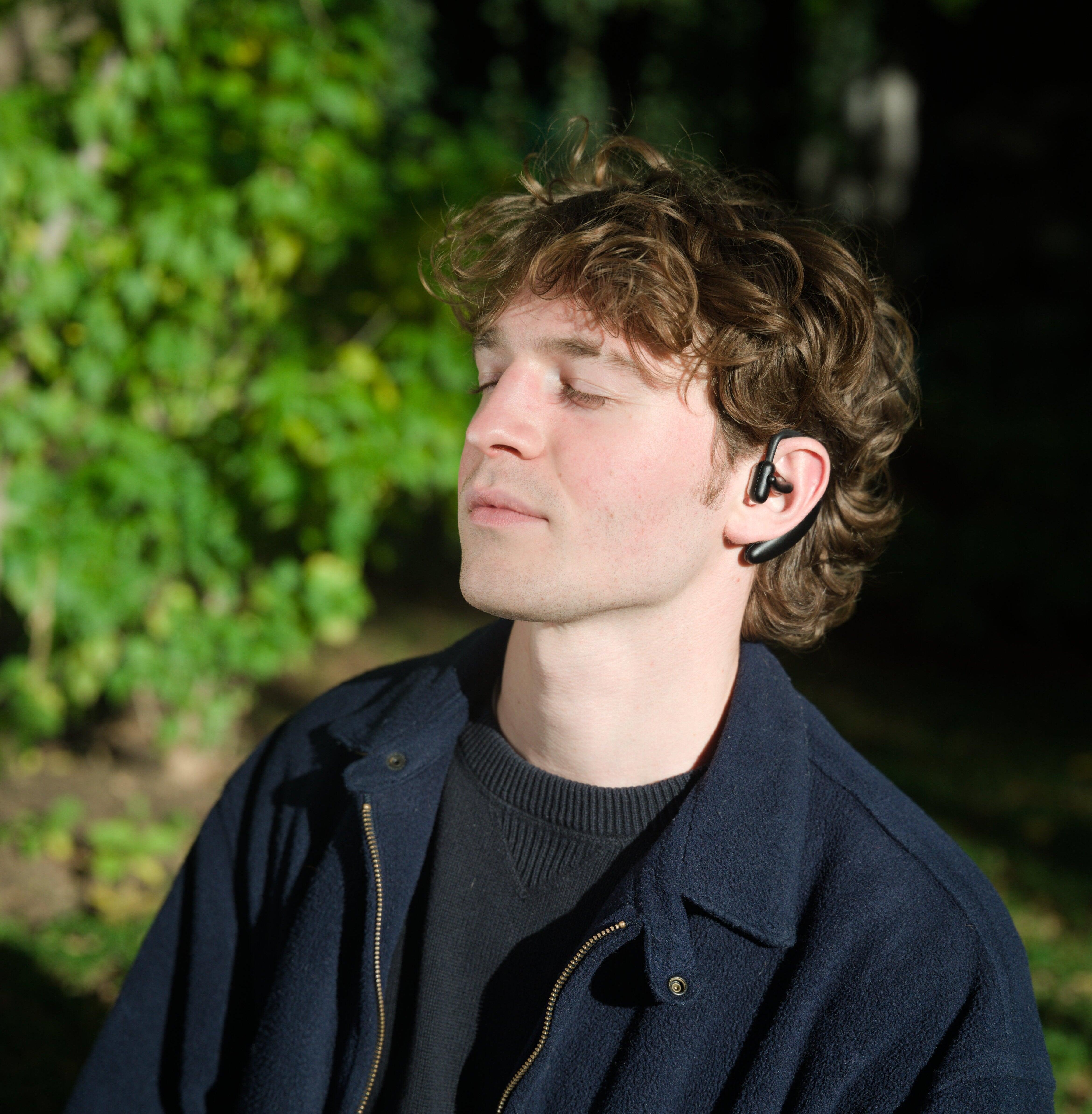
SONA is designed specifically for the left ear.

Placement: The device should sit snugly against the cymba concha (the deep inner curve of your ear) and the tragus (the small flap at the front). Need a reminder? Check the fitting video in the app under Profile β†’ "How to Use the Device".

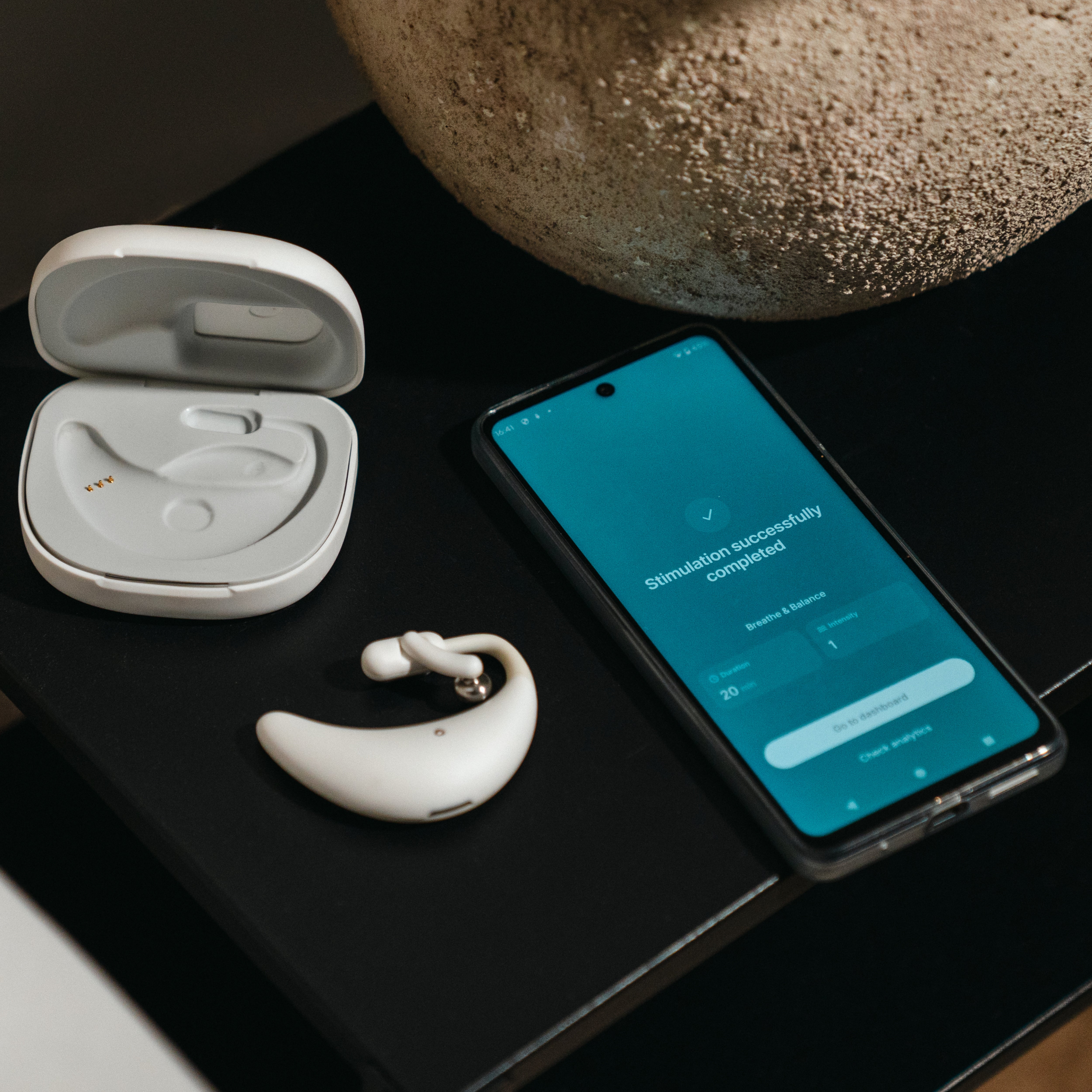
The Connection: Always apply a small amount of conductive gel to the metal electrodes before every session. This improves comfort and effectiveness versus dry skin. Check the contact quality indicator in the app to confirm a good connection.

βš–οΈ

2. Intensity: Find Your Sweet Spot

More intensity does not mean better results. Vagus nerve stimulation works best when it is sub-threshold β€” it should feel like a whisper, not a shout.

The Goal

A gentle tingle, warmth, or light pulse. If it feels sharp, turn it down. It should fade into the background.

No Feeling?

Don't worry. Your pain receptors differ from the vagus nerve fibres we're stimulating. Good contact quality + regular use = results.

⏱

3. Session Length

Think of your nervous system like a muscle. You're training it to switch off the stress response, not forcing it.

10–15

min/day

Week 1 β€” establish your baseline

20–30

min/day

Once comfortable β€” your target zone

4–5x

per week

Consistency beats intensity

β˜€οΈ

4. Time of Day

There is no "wrong" time, but there are optimal windows:

πŸŒ…

Morning

Set a calm baseline for focus before the day begins

πŸŒ™

Evening

Transition out of work mode and prepare for deep sleep

⚑

Acute Stress

Anytime fight-or-flight kicks in and you need a reset

πŸ“š

5. What to Do While Stimulating

SONA requires active rest. You're activating your parasympathetic system, so avoid competing signals like high-intensity exercise or stressful emails.

Reading Meditating Light walking Sitting quietly

Pro Tip: Pair your session with the slow breathing exercises in the app to amplify the vagal tone effect.

πŸ“ˆ

6. The Timeline: Sleep & HRV

You might feel a shift immediately, or you might just feel "neutral." Both are normal. Neuroplasticity is a process, not a switch.

Immediate

Many users report a drop in heart rate and a feeling of "settling" within 10 minutes.

Weeks 3–6

This is when the deep data shifts happen. Sustained improvements in HRV and deep sleep typically emerge after 3–4 weeks of consistent training.

Need a Hand?

We know this is new technology. If you have questions about your fit, your data, or your progress β€” we're real people and we're here to support you.

You can also book a 1:1 onboarding session with our team via the link in your welcome email.

Let's get you back to balance.
Leave a comment

Please note, comments need to be approved before they are published.

This site is protected by hCaptcha and the hCaptcha Privacy Policy and Terms of Service apply.

Latest Stories

View all

The Missing Piece in Women’s Health: The Nervous System

The Missing Piece in Women’s Health: The Nervous System

Women are far more likely to experience autoimmune disease, chronic fatigue, anxiety and long COVID, yet medicine often struggles to explain why. What if the missing piece isn’t hormones or psychology, but the nervous system itself? This article explores the surprising biology connecting many of women’s most misunderstood health challenges.

Read more

The Inflammation Connection: Why Your Immune System Won't Turn Off

The Inflammation Connection: Why Your Immune System Won't Turn Off

Chronic inflammation isn’t just an immune problem, it’s a nervous system one. Discover why the body gets stuck in inflammatory overdrive and what restoration could look like.

Read more

The Science of Precision Recovery: Why Your Body Forgot How to Heal

The Science of Precision Recovery: Why Your Body Forgot How to Heal

Chronic stress doesn’t just make you tired, it rewires your nervous system.
This article explores why the body loses its ability to recover, and how precision, biofeedback-guided vagus nerve stimulation can help restore deep, physiological healing.

Read more

Why You're Breathing All Wrong: A Science-Backed Guide to Hacking Your Nervous System with Your Lungs

Why You're Breathing All Wrong: A Science-Backed Guide to Hacking Your Nervous System with Your Lungs

Let's start with a simple, relatable fact: most modern humans are feeling the effects of stress right now. The feeling of being "on," wired or overwhelmed has become the background noise of modern life. But what if you had a...

Read more

The Neuroscience of Burnout: Why It’s Not Just About Working Less

The Neuroscience of Burnout: Why It’s Not Just About Working Less

Over 75% of professionals report experiencing burnout at some point in their careers. But burnout isn’t just about being overworked, it’s about how stress rewires your brain. Feeling exhausted no matter how much sleep you get? Struggling to focus even...

Read more