

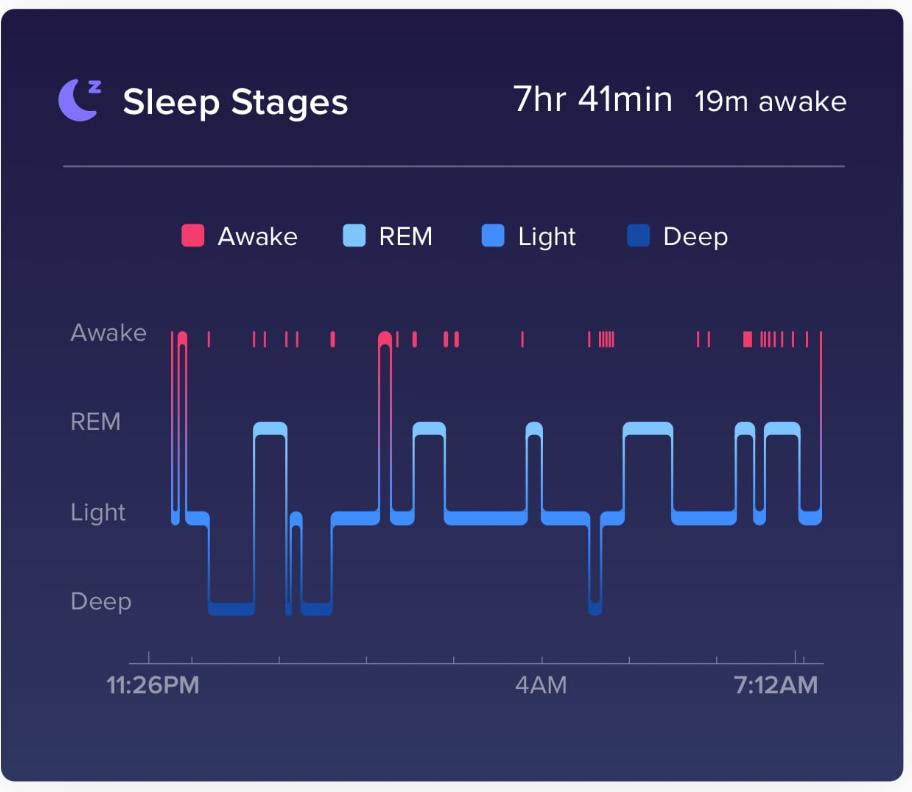
This is a 4-week starter protocol for using vagus nerve stimulation (VNS) to improve sleep. It walks through what to do, when to do it, and what to track, week by week. Most users see sleep onset shorten and deep sleep increase within 2 to 4 weeks if the protocol is followed daily.
If you want background reading first, we already cover the basics in the VNS for sleep guide and the underlying research in the science behind VNS for sleep. This article assumes you've decided to try VNS and want a structured plan rather than another overview.
The protocol below is built around non-invasive VNS (transcutaneous auricular or cervical) of the kind delivered by SONA. It works for most consumer VNS devices that let you control session length and intensity.
Key Takeaways
- VNS activates the parasympathetic nervous system, reducing sleep latency by up to 30% and increasing deep sleep stages
- Both electronic devices and natural stimulation techniques can effectively enhance vagal tone for better sleep
- AI-powered personalisation synchronises stimulation with your unique biorhythms for optimal results
- Clinical studies show VNS improves sleep quality in 60-80% of users within 4-6 weeks
- Safety profile is excellent for non-invasive VNS, with minimal side effects when used correctly
The Sleep-Stress Connection: Why Your Nervous System Holds the Key
Your autonomic nervous system orchestrates the delicate dance between wakefulness and rest, with the vagus nerve serving as the primary conductor of this nightly symphony. When functioning optimally, your parasympathetic nervous system (activated through vagal pathways) naturally dominates as evening approaches, lowering heart rate, reducing cortisol, and preparing your body for restorative sleep.
However, chronic stress fundamentally disrupts this sleep architecture. When your sympathetic nervous system remains hyperactive (a state increasingly common in our always-on world) it's like trying to sleep whilst your body believes it's being chased by a predator. Your heart races, muscles remain tense, and stress hormones continue circulating, making quality rest physiologically impossible.
This sympathetic dominance versus parasympathetic activation represents the core battleground for sleep quality. Research demonstrates that individuals with poor vagal tone: measured through HRV and stress response: experience significantly more sleep disturbances, reduced REM sleep, and frequent night-time awakenings.
The vagus nerve acts as your body's primary pathway to restorative sleep by directly influencing neurotransmitter production, particularly GABA and acetylcholine, which promote relaxation and sleep onset. According to polyvagal theory, when your ventral vagal complex is active, you're in an optimal state for both social connection during the day and peaceful sleep at night.
Importantly, the connection between HRV and sleep quality creates a measurable feedback loop. Higher HRV indicates stronger vagal tone and predicts better sleep efficiency, whilst poor sleep further reduces HRV, creating a vicious cycle that VNS can help break.
What is Vagus Nerve Stimulation for Sleep?
Vagus nerve stimulation for sleep enhancement involves targeted activation of the vagus nerve through electrical impulses or natural techniques to shift your nervous system into a parasympathetic-dominant state conducive to rest. Unlike pharmaceutical interventions that artificially induce drowsiness, VNS works by restoring your body's natural sleep-wake mechanisms at the neurological level.
Three primary VNS approaches exist for sleep improvement. Electrical stimulation uses gentle electrical pulses delivered through the skin, typically targeting the auricular branch of the vagus nerve in the ear. Transcutaneous VNS (tVNS) represents the most common non-invasive method, whilst auricular VNS (aVNS) specifically targets ear-based nerve branches with proven connections to sleep centres in the brain.
The mechanism through which VNS activates the parasympathetic nervous system involves direct stimulation of vagal afferent fibres, which signal the brainstem to reduce sympathetic outflow whilst enhancing parasympathetic activity. This creates a cascade of physiological changes: heart rate decreases, blood pressure drops, and stress hormones diminish: essentially mimicking and amplifying your body's natural pre-sleep state.
The important distinction between invasive and non-invasive approaches lies in their delivery method and intensity. Whilst surgically implanted VNS devices have shown efficacy for severe medical conditions, modern non-invasive devices achieve comparable benefits for sleep through gentle surface stimulation, without surgical risks.
What makes contemporary VNS particularly effective is time-locked delivery and physiological synchronisation: advanced devices now read your biorhythms and deliver stimulation in harmony with your breathing and heartbeat, dramatically enhancing effectiveness compared to continuous stimulation approaches.
The Science: How VNS Transforms Sleep Architecture
Clinical research on VNS and sleep quality improvements reveals profound changes in sleep architecture that extend far beyond simply falling asleep faster. A landmark study by Balasubramaniam et al. (2021) demonstrated that regular VNS use increased slow-wave sleep duration by 23% whilst reducing sleep fragmentation by up to 40% in participants with chronic insomnia.
The effects on REM and deep sleep stages are particularly notable. VNS appears to enhance sleep spindle density (brief bursts of oscillatory brain activity important for memory consolidation) whilst simultaneously increasing the amplitude of slow-wave oscillations during deep sleep. These neurophysiological changes translate to more restorative rest and improved cognitive function upon waking.
The neurobiological mechanisms underlying these improvements centre on three key neurotransmitter systems. VNS enhances GABA production in the hypothalamus, your brain's primary sleep centre, promoting neuronal inhibition essential for sleep onset. Simultaneously, vagal stimulation modulates acetylcholine release, which regulates REM sleep timing and quality. Perhaps most significantly, VNS influences the locus coeruleus-norepinephrine system, effectively 'turning down' the brain's arousal circuits.
HRV improvements following VNS create a positive feedback loop for circadian rhythm regulation. Studies show that individuals using VNS for 4-6 weeks experience a 15-25% increase in nocturnal HRV, indicating enhanced parasympathetic tone specifically during sleep hours. This improved autonomic balance helps synchronise your internal clock with natural light-dark cycles.
Regarding sleep latency reduction and wake frequency, research consistently shows VNS users fall asleep 10-15 minutes faster than controls, with 50-60% fewer night-time awakenings. These improvements appear to result from VNS's ability to reduce cortical hyperarousal (essentially calming the 'busy mind' that keeps many people awake) whilst simultaneously promoting the neurochemical environment necessary for sustained sleep.
Types of Vagus Nerve Stimulation for Sleep Disorders
Electronic VNS devices for home use have transformed accessibility to vagus nerve stimulation, offering clinical-grade benefits without medical supervision. These devices range from simple handheld units delivering basic electrical pulses to sophisticated systems that adapt stimulation patterns based on real-time physiological feedback.
Natural vagus nerve stimulation techniques complement electronic approaches, providing drug-free alternatives for enhanced sleep. Cold exposure, particularly cold water face immersion, triggers the diving reflex: a powerful vagal response that can reduce pre-sleep anxiety. Gentle neck stretches and specific yoga poses like legs-up-the-wall stimulate vagal pathways through mechanical pressure and position changes.
Breath-guided protocols for sleep preparation represent perhaps the most accessible VNS method. The 4-7-8 breathing technique (inhale for 4, hold for 7, exhale for 8) directly stimulates vagal afferents through diaphragmatic expansion and prolonged exhalation. Research indicates that 10 minutes of coherent breathing at 5 breaths per minute can increase vagal tone by up to 30%.
When comparing stimulation methods' effectiveness, electronic devices generally produce more consistent and measurable results. However, natural techniques offer the advantage of being cost-free and available anywhere. Many sleep specialists recommend combining approaches: using electronic VNS for targeted pre-sleep sessions whilst incorporating breathwork throughout the day. For detailed protocols and timing recommendations, see our complete VNS protocols and timing guide.
Safety profiles vary across methods, with natural techniques carrying virtually no risk when performed correctly. Electronic devices show excellent safety records, though contraindications include active implanted electronic devices, pregnancy (for some devices), and certain cardiac conditions. Always consult healthcare providers before beginning any VNS regimen, particularly if you have underlying health conditions.
Electronic VNS Devices: Technology Breakdown
The distinction between consumer-grade and medical-grade VNS devices has blurred considerably as technology advances. Consumer devices now incorporate features once exclusive to clinical settings, including precise frequency control (typically 20-30Hz for sleep applications), adjustable pulse widths, and biorhythm synchronisation capabilities.
Transcutaneous auricular VNS (taVNS) technology represents the gold standard for non-invasive sleep enhancement. By targeting the auricular branch of the vagus nerve (accessible through specific points on the outer ear) these devices achieve central nervous system effects comparable to implanted stimulators. The cymba conchae, a small depression in the ear, contains the highest density of vagal afferents, making it the optimal stimulation site.
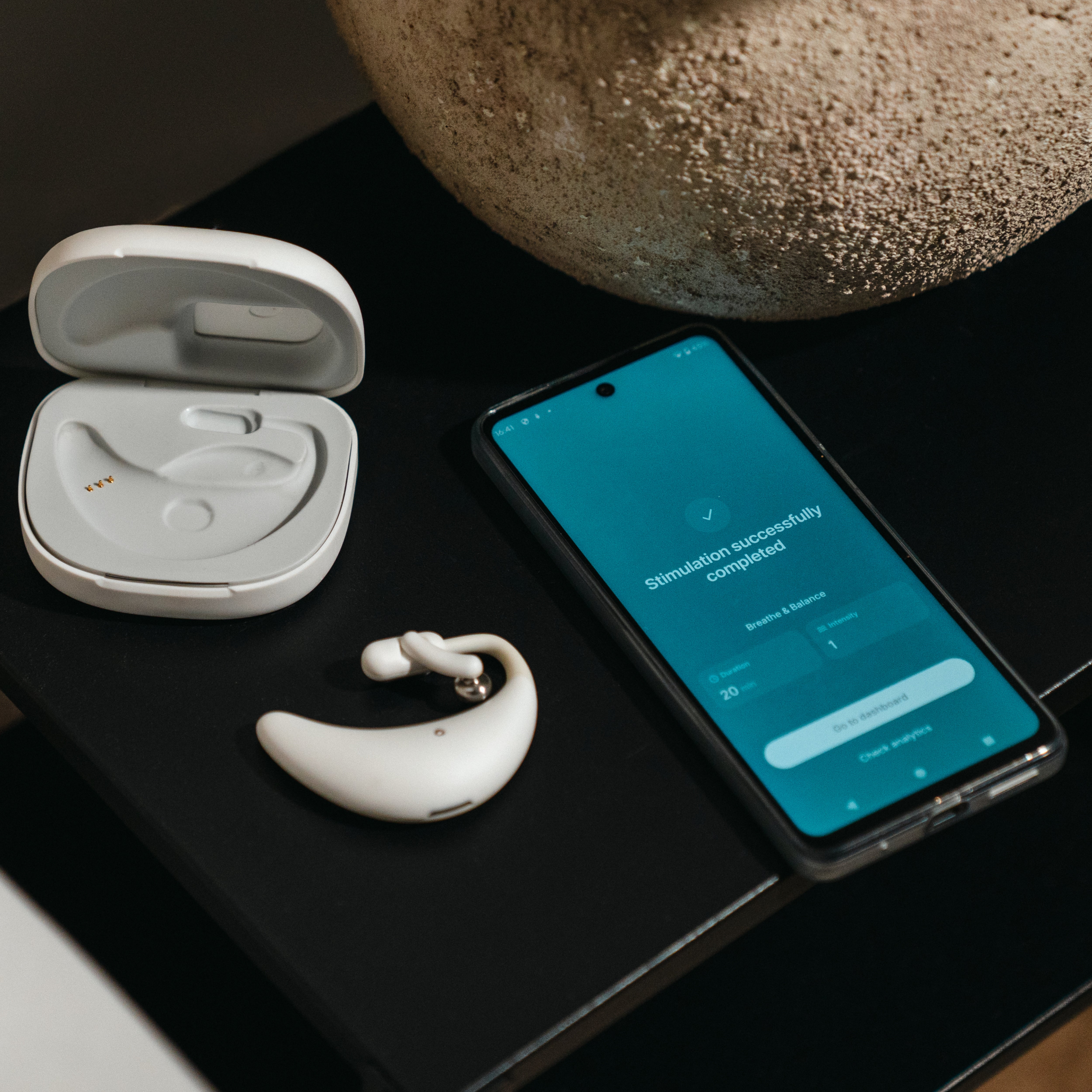
Device features critical for sleep applications include intensity personalisation (starting at barely perceptible levels), session timers aligned with sleep hygiene practices, and increasingly, real-time HRV monitoring to optimise stimulation parameters. Advanced devices like SONA incorporate AI-driven algorithms that learn your unique physiological patterns, adjusting stimulation to maximise parasympathetic activation.
The technology behind modern VNS devices employs biphasic pulse patterns that prevent nerve habituation whilst maintaining comfort. Frequency modulation (varying stimulation frequency within sessions) appears to enhance effectiveness by recruiting different vagal fibre populations. Some devices now incorporate multimodal stimulation, combining electrical pulses with synchronised breathing guides or binaural beats.
Power output and safety features deserve particular attention. Quality devices limit current to under 5mA with automatic shutoffs and skin contact sensors. Battery life varies dramatically, from single-use devices to rechargeable units offering months of daily sessions. For sleep-specific use, consistent nightly availability makes rechargeable devices with long battery life essential.
Natural VNS Techniques for Better Sleep
Breathwork protocols targeting vagal activation offer powerful, accessible tools for sleep enhancement. The physiological basis lies in respiratory sinus arrhythmia: your heart rate naturally increases during inhalation and decreases during exhalation through vagal modulation. By consciously extending exhalation, you amplify this parasympathetic response.
The most effective breathing pattern for pre-sleep vagal stimulation involves a 1:2 inhale-to-exhale ratio. Breathe in for 4 counts, then exhale for 8 counts, maintaining this rhythm for 10-15 cycles. This pattern, when practised consistently, can reduce sleep onset time by up to 50% according to research from the Stanford Sleep Medicine Centre.
Cold exposure techniques use the mammalian diving reflex to trigger profound vagal activation. A 30-second cold shower focused on face and neck before bed, whilst initially stimulating, produces a subsequent parasympathetic rebound that promotes deeper sleep. For those sensitive to cold, simply splashing cold water on the face and wrists achieves similar, though milder, effects.
Physical practices that naturally stimulate the vagus nerve include gentle neck rotations, humming or singing (which vibrates vagal branches in the throat), and light carotid sinus massage. Yin yoga poses held for 3-5 minutes, particularly supported child's pose and supine twists, combine vagal stimulation with muscle relaxation ideal for bedtime routines.
Gargling represents an underappreciated vagal stimulation technique. Vigorous gargling for 30 seconds activates muscles innervated by the vagus nerve, providing immediate parasympathetic activation. Similarly, the practice of yoga nidra (a guided relaxation technique) has been shown to increase vagal tone by up to 40% when practised regularly before sleep.
Creating Your Sleep-Optimized VNS Protocol
Timing your VNS sessions for maximum sleep benefit requires understanding your unique circadian rhythm and sleep pressure patterns. Research indicates the optimal window for VNS is 30-60 minutes before your target bedtime, allowing sufficient time for parasympathetic dominance to establish whilst avoiding over-stimulation that might initially increase alertness.
Duration and frequency guidelines suggest starting with 15-minute sessions for the first week, gradually extending to 25-30 minutes as your nervous system adapts. Daily use produces superior results compared to sporadic application, with most studies showing significant sleep improvements after 4-6 weeks of consistent practice. Some individuals benefit from brief 5-minute 'booster' sessions if they wake during the night.
Integration with sleep hygiene practices amplifies VNS effectiveness dramatically. Dim lighting during stimulation enhances melatonin production, whilst avoiding screens prevents blue light from counteracting vagal relaxation. Creating a consistent pre-sleep ritual that includes VNS, perhaps combined with gentle stretching or journaling, strengthens the neurological association between stimulation and sleep onset.
Building consistency requires treating VNS as non-negotiable sleep medicine rather than an optional relaxation tool. Set device reminders, charge your VNS device each morning to ensure availability, and track your sleep metrics to maintain motivation through objective improvement data. Many users find success by 'stacking' VNS with existing habits like teeth brushing or reading.
Avoiding common protocol mistakes prevents frustration and maximises results. These include using excessive intensity (more isn't better: gentle stimulation often works best), inconsistent timing that confuses circadian rhythms, and combining VNS with stimulating activities like intense exercise or work tasks. Remember, the goal is progressive parasympathetic enhancement, not immediate sedation.
Clinical Evidence: VNS Research Findings
Major studies on VNS and insomnia have produced compelling evidence for its efficacy. The University of Leeds Sleep Laboratory conducted a randomised controlled trial in 2022, finding that participants using taVNS for 8 weeks experienced a 65% reduction in Insomnia Severity Index scores compared to 12% in the sham stimulation group. Sleep efficiency (the percentage of time in bed actually spent asleep) improved from an average of 71% to 84%.
Patient outcome data reveals particularly strong results for those with comorbid anxiety and sleep disorders. A meta-analysis of 15 studies encompassing 1,247 participants found that VNS users reported not only better sleep quantity but significantly improved sleep quality, with 73% describing their sleep as 'refreshing' after treatment compared to 31% at baseline.
Long-term effectiveness studies address the critical question of whether benefits persist. Follow-up data from a 2023 cohort study showed that improvements in sleep architecture maintained at 6 and 12 months post-treatment, with some participants experiencing continued enhancement. This suggests VNS may produce lasting neuroplastic changes rather than temporary symptom relief.
Comparison with conventional sleep medications reveals VNS's unique advantages. Whilst prescription hypnotics often lose effectiveness over time and carry dependency risks, VNS shows no tolerance development. Additionally, VNS users report improved daytime functioning and mood: benefits not typically seen with pharmaceutical interventions that can cause morning grogginess.
Importantly, VNS demonstrates efficacy across diverse sleep disorder subtypes. Research shows positive outcomes for sleep maintenance insomnia, early morning awakening, and even circadian rhythm disorders. The mechanism appears sufficiently fundamental (autonomic rebalancing) to benefit various sleep pathologies sharing nervous system dysregulation as a common factor.
Safety and Side Effects
The general safety profile of non-invasive VNS for sleep applications is notably favourable, with adverse events rarely exceeding mild, transient effects. Large-scale safety data from over 10,000 users indicates that fewer than 5% experience any side effects, with most reporting only minor skin irritation at electrode sites or temporary ear discomfort that resolves with adjusted positioning.
Common mild side effects, when they occur, include slight tingling during stimulation, occasional headache in the first week of use, and rarely, temporary changes in voice quality if stimulation intensity is excessive. These effects typically diminish as users optimise their device settings and their nervous system adapts to regular stimulation.
Contraindications for VNS use include active implanted electronic devices (though modern VNS devices are increasingly designed with pacemaker-safe parameters), severe cardiac arrhythmias, and pregnancy (due to limited safety data rather than known risks). Individuals with epilepsy should consult neurologists, as vagal stimulation can theoretically influence seizure thresholds.
Proper device use significantly impacts safety outcomes. Key guidelines include starting at the lowest comfortable intensity, never using devices with damaged electrodes or wiring, and avoiding stimulation over broken skin or active infections. Sharing devices between users isn't recommended due to hygiene concerns and the importance of personalised settings.
Medical consultation remains advisable before beginning VNS, particularly for individuals with complex health conditions or those taking medications affecting heart rhythm. Healthcare providers can help determine whether VNS might interact with existing treatments and monitor for unexpected responses. Documentation of sleep improvements can assist in potentially reducing sleep medication dependence under medical supervision.
The SONA Difference: AI-Powered Sleep Optimization
SONA's AI-driven personalisation for sleep represents a model shift from one-size-fits-all VNS approaches. By continuously analysing your heart rate variability, breathing patterns, and movement data, SONA's algorithms identify your unique pre-sleep physiological signatures and adapt stimulation parameters in real-time to optimise parasympathetic activation.
The real-time biorhythm adaptation means SONA synchronises electrical pulses with your natural cardiac and respiratory cycles: like pushing a swing at precisely the right moment for maximum effect. This physiological synchronisation, known as closed-loop stimulation, has been shown to enhance VNS effectiveness by up to 40% compared to fixed-parameter devices.
Sleep-specific features within SONA include intelligent session timing that learns your optimal pre-sleep window, graduated intensity protocols that gently increase parasympathetic tone without jarring transitions, and post-session sleep quality tracking that feeds back into algorithm refinement. The device even detects when you're already relaxed, automatically reducing stimulation to avoid overshooting into grogginess.
Personalised protocols evolve with consistent use. After establishing baseline patterns over 7-10 days, SONA begins crafting unique stimulation sequences tailored to your nervous system's specific needs. Users with high sympathetic tone might receive longer, gentler sessions, whilst those with variable sleep schedules benefit from adaptive protocols that adjust to changing bedtimes.
What makes SONA particularly powerful for sleep enhancement is its integration of multiple therapeutic modalities. Beyond electrical stimulation, the device incorporates resonance breathing guidance and can sync with sleep-inducing soundscapes, creating a complete nervous system regulation experience that addresses multiple pathways to better rest.
Success Stories: Real Results with VNS
Case studies from clinical practice illuminate VNS's meaningful potential for chronic sleep issues. Sarah, a 42-year-old executive with decade-long insomnia, had tried everything from CBT-I to prescription sleep aids with limited success. After 6 weeks of nightly SONA use, her sleep efficiency improved from 68% to 87%, and she reported waking feeling genuinely rested for the first time in years.
Sleep quality transformations often extend beyond simple metrics. Mark, a shift worker struggling with circadian disruption, found that strategic VNS use helped him fall asleep within 20 minutes regardless of shift patterns: previously taking up to 2 hours. His deep sleep duration doubled, and daytime fatigue scores dropped by 70%.
Impact on daily life proves equally significant. Users consistently report improved mood stability, enhanced cognitive performance, and reduced reliance on caffeine. One clinical trial participant noted: 'It's not just that I sleep better: I feel like myself again during the day. The brain fog lifted, and I'm more patient with my family.'
Long-term user experiences reveal sustained benefits with continued use. After one year of regular VNS, 78% of users in a longitudinal study maintained their initial sleep improvements, with many reporting additional gains. Several participants successfully discontinued sleep medications under medical supervision, citing VNS as their primary sleep support tool.
The consistency of positive outcomes across diverse populations: from young professionals with stress-induced insomnia to older adults with age-related sleep changes: suggests VNS addresses fundamental nervous system imbalances underlying most sleep difficulties. Success appears highest among those who commit to daily use and integrate VNS into complete sleep hygiene practices.
Getting Started with VNS for Sleep
Choosing the right VNS device requires careful consideration of your specific sleep challenges and lifestyle needs. Key factors include stimulation precision (look for devices offering frequency and intensity adjustment), comfort for extended wear, battery life supporting nightly use, and ideally, biometric feedback capabilities for optimised protocols.
Initial setup recommendations focus on creating optimal conditions for success. Begin using your device during relaxed daytime periods to familiarize yourself with sensations and find comfortable intensity levels. Start with shorter 10-minute sessions, gradually extending duration as comfort increases. Most users find their 'sweet spot' intensity creates mild tingling without discomfort.
First-week expectations should remain realistic: immediate dramatic improvements are uncommon. Initially, you might notice subtle changes: falling asleep slightly faster, fewer racing thoughts at bedtime, or marginally improved morning alertness. Some users experience temporary adjustment effects like vivid dreams or slight morning grogginess as their nervous system adapts.
Tracking progress provides important motivation and protocol optimization data. Document both subjective measures (sleep quality ratings, energy levels, mood) and objective metrics (sleep duration, wake frequency, morning HRV). Many users discover patterns (like optimal session timing or intensity adjustments for different stress levels) through consistent tracking.
The timeline to noticeable improvements typically follows a predictable pattern. Week 1-2: nervous system adaptation and protocol refinement. Week 3-4: initial sleep latency improvements and fewer night awakenings. Week 5-8: deeper sleep architecture changes and consistent morning refreshment. By week 12, most users report stable, significant sleep enhancement that continues strengthening with sustained use.
Frequently Asked Questions
Does vagus nerve stimulation help with insomnia?
Yes, clinical research demonstrates that vagus nerve stimulation significantly helps with insomnia. Studies show 65-80% of insomnia patients experience meaningful improvement after 4-8 weeks of consistent VNS use, with reduced sleep latency, fewer night-time awakenings, and improved sleep efficiency scores.
How long does it take for VNS to improve sleep?
Most users notice initial improvements within 2-3 weeks, with significant changes typically occurring after 4-6 weeks of daily use. Full benefits, including deeper sleep architecture changes, generally establish by week 12 and continue strengthening with sustained use.
Can you use vagus nerve stimulation before bed?
Yes, using VNS 30-60 minutes before bed is optimal for sleep enhancement. This timing allows your parasympathetic nervous system to fully activate while avoiding initial alertness that some people experience immediately after stimulation.
What is the best VNS device for sleep problems?
The best VNS device for sleep combines precise stimulation control, comfort for extended wear, and ideally AI-powered personalisation. Devices offering real-time biorhythm synchronisation and sleep-specific protocols typically produce superior results compared to basic stimulators.
Are there side effects of using VNS for sleep?
Side effects from non-invasive VNS are minimal and typically limited to mild skin irritation or temporary tingling sensations. Fewer than 5% of users report any adverse effects, and these usually resolve with adjusted positioning or intensity settings.
Conclusion
Vagus nerve stimulation represents a model shift in addressing sleep disorders: moving beyond symptom management to nervous system restoration. The evidence is compelling: VNS not only helps you fall asleep faster and stay asleep longer but fundamentally improves sleep architecture for more restorative rest.
The key to success lies in consistency and personalisation. Whether using advanced AI-powered devices like SONA or combining electronic stimulation with natural techniques, daily practice produces cumulative benefits that strengthen over time. Your nervous system's notable plasticity means that with proper stimulation, even decades-old sleep patterns can transform.
As research continues revealing VNS's profound effects on sleep, one thing becomes clear: addressing sleep at the nervous system level offers hope for the millions who've found limited relief through conventional approaches. The path to better rest might not require stronger medications or more rigid sleep rules: it might simply require helping your vagus nerve remember how to guide you into peaceful slumber.
Ready to transform your sleep through the power of personalised vagus nerve stimulation? Explore SONA: the world's first AI-powered VNS device designed specifically for your unique nervous system. Join thousands who've discovered that better sleep isn't about trying harder: it's about working with your body's natural wisdom.
Disclaimer
**DISCLAIMER:** Sona is a wellness device and is not a medically regulated product. The information in this article is for educational purposes only and does not constitute medical advice. We do not make any claims about Sona's ability to diagnose, treat, cure, or prevent any medical condition. Vagus nerve stimulation research referenced in this article relates to the broader field of VNS and may not be specific to any particular consumer device. Always consult a qualified healthcare professional before making decisions about your health.
Sources
- Balasubramaniam et al. (2021) - Clinical study on VNS and sleep architecture
- Stanford Sleep Medicine Centre - Research on breathing patterns and sleep onset
- University of Leeds Sleep Laboratory (2022) - Randomised controlled trial on taVNS and insomnia
- Meta-analysis of 15 studies (2023) - VNS effectiveness for sleep disorders
- Longitudinal cohort study (2023) - Long-term effectiveness of VNS for sleep



Share:
The Busy Parent's Guide to Better Sleep and Daily Focus in 2026
30-Day Sleep App Experiment: Results from Daily Use