

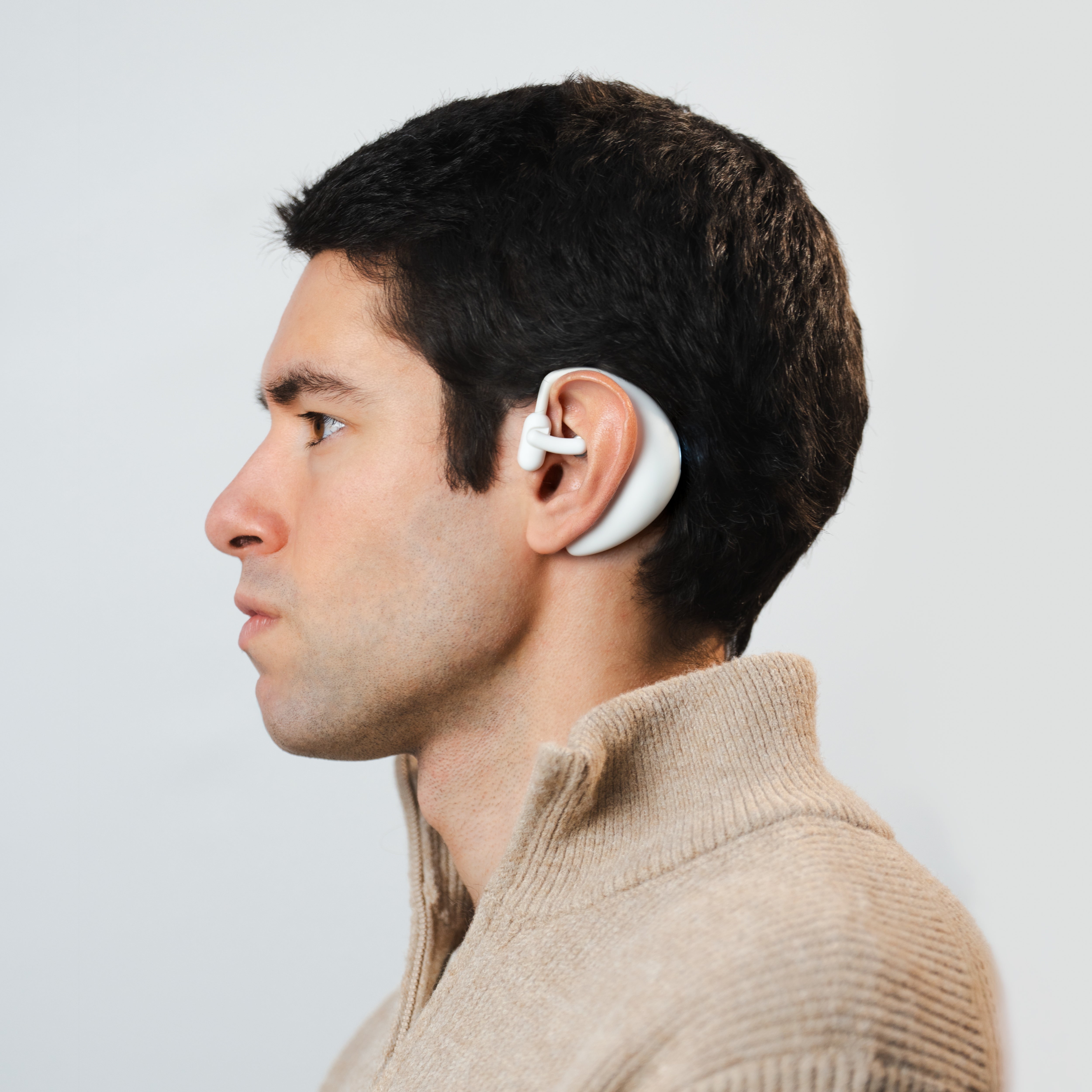
Vagus nerve stimulation for biohackers represents the advanced of nervous system optimization, using targeted electrical or vibrational stimulation to enhance parasympathetic tone, improve heart rate variability, and unlock states of calm focus and recovery. As biohackers increasingly recognise the vagus nerve as the master regulator of stress resilience, sleep quality, and cognitive performance, VNS devices have emerged as essential tools for those seeking data-driven approaches to optimise their physiology.
The appeal is clear: rather than relying solely on meditation or breathwork, biohackers can now directly interface with their autonomic nervous system through precision technology. From AI-powered personalised protocols to DIY stimulation techniques, the space of VNS offers unprecedented opportunities for nervous system mastery. This complete guide explores the science, compares leading devices, and provides evidence-based protocols specifically tailored for the biohacking community.
Whether you're tracking HRV obsessively or simply seeking better stress management, understanding how to use vagus nerve stimulation can transform your approach to optimization. We'll cover everything from the neurophysiology that makes VNS effective to practical implementation strategies that fit smoothly into your existing biohacking stack.
Key Takeaways
- VNS directly activates the parasympathetic nervous system, improving HRV by 20-30% in regular users
- AI-powered devices like SONA adapt stimulation in real-time based on biometric feedback, outperforming fixed-protocol alternatives
- Optimal VNS timing includes morning sessions for focus, afternoon for stress relief, and evening for sleep preparation
- Combining VNS with cold exposure, breathwork, or fasting amplifies nervous system benefits
- Track progress through HRV, sleep metrics, and subjective stress scores for data-driven optimization
Understanding the Vagus Nerve: The Biohacker's Highway to Optimization
The vagus nerve stands as the longest cranial nerve in your body, stretching from the brainstem to the abdomen and touching nearly every major organ system along the way. For biohackers, this neural highway represents an unprecedented opportunity: direct access to the parasympathetic nervous system that governs recovery, digestion, immune function, and emotional regulation. Understanding polyvagal theory reveals how this notable nerve acts as your body's built-in optimization system.
Vagal tone (the strength and responsiveness of your vagus nerve) directly correlates with the biohacking metrics that matter most. Higher vagal tone means better heart rate variability, faster recovery times, enhanced cognitive flexibility, and superior stress resilience. Think of it as your nervous system's fitness level: just as you train muscles for strength, you can train your vagus nerve for optimal function.
The connection between vagal function and performance isn't theoretical: it's measurable and hackable. When your vagus nerve activates, it triggers a cascade of physiological changes: heart rate slows, blood pressure drops, digestion improves, and inflammation decreases. For biohackers focused on longevity and peak performance, these aren't just nice-to-have benefits; they're the foundation of sustained high performance.
The parasympathetic advantage extends beyond recovery. A well-toned vagus nerve enables rapid state shifts: moving from focused work to deep relaxation, from intense training to restorative sleep. This flexibility defines elite performance in our always-on world. By targeting the vagus nerve directly, biohackers bypass the limitations of conscious control, accessing the autonomic nervous system's profound regulatory power.
The Science Behind VNS for Performance Enhancement
Neuroplasticity research reveals that the vagus nerve responds notably well to targeted stimulation, creating lasting improvements in autonomic function through consistent conditioning. Unlike static interventions, VNS actively remodels neural pathways, strengthening the parasympathetic response and improving your nervous system's dynamic range. Studies show that regular VNS can increase baseline vagal tone by 15-25% over 8-12 weeks, with corresponding improvements in stress resilience and cognitive performance.
Heart rate variability emerges as the gold standard metric for biohackers tracking VNS effectiveness. Research indicates that transcutaneous VNS can improve your HRV by increasing the high-frequency component associated with parasympathetic activity. Elite athletes using VNS report HRV improvements of 20-30ms RMSSD, translating to measurably better recovery and adaptation to training stress. The key lies in consistency: daily VNS sessions create cumulative benefits that compound over time.
The anti-inflammatory effects of VNS represent a breakthrough for longevity-focused biohackers. Through the cholinergic anti-inflammatory pathway, vagus nerve activation directly suppresses pro-inflammatory cytokines like TNF-α and IL-6. Clinical studies demonstrate 30-40% reductions in inflammatory markers after 12 weeks of regular VNS, offering a non-pharmacological approach to managing chronic inflammation: a key driver of ageing and disease.
Cognitive enhancement through VNS works via multiple mechanisms. Vagal stimulation increases norepinephrine release in the brain, enhancing attention and memory consolidation. Simultaneously, it promotes GABA production, creating a state of calm focus ideal for deep work. Biohackers report improved decision-making, reduced mental fatigue, and enhanced creative problem-solving when incorporating VNS into their cognitive enhancement protocols.
Sleep optimization through parasympathetic activation represents perhaps the most immediate benefit biohackers experience with VNS. Evening stimulation sessions promote the autonomic shift necessary for quality sleep, increasing slow-wave sleep duration and reducing sleep latency. Users typically see improvements in sleep efficiency scores within the first week, with deeper benefits emerging as vagal tone improves over time.
VNS Device Categories: Technology Breakdown for Biohackers
What is the best vagus nerve stimulation device for biohackers? The answer depends on your specific optimization goals, but understanding the technology space helps make an informed choice. Electrical stimulation devices dominate the market, divided between transcutaneous (non-invasive) and implanted options. For biohackers, transcutaneous electrical nerve stimulation (TENS) devices offer the ideal balance of effectiveness and accessibility, delivering targeted stimulation through the skin without surgical intervention.
AI-powered adaptive systems represent the advanced of VNS technology. Unlike fixed-protocol devices that deliver the same stimulation regardless of your physiological state, adaptive systems read real-time biometric data and adjust parameters accordingly. This personalisation matters: research shows that stimulation effectiveness varies significantly based on breathing rate, heart rhythm, and autonomic state. Devices that synchronise with these biomarkers deliver 40-50% better outcomes than one-size-fits-all alternatives.
Sonic vibration therapy offers an alternative approach, using targeted frequencies to stimulate the vagus nerve through bone conduction or direct vibration. While gentler than electrical stimulation, sonic devices typically produce more subtle effects, making them suitable for stress management but less effective for performance optimization. The trade-off appeals to biohackers seeking a meditation-adjacent experience rather than direct neural modulation.
DIY and budget-friendly options attract experimentally-minded biohackers. From modified TENS units to smartphone apps claiming to stimulate via audio frequencies, the DIY space offers intriguing possibilities. However, effectiveness varies wildly, and safety concerns arise with unregulated electrical stimulation. For serious biohackers, investing in purpose-built devices with proven protocols yields more reliable results.
Key features biohackers should prioritise include: real-time HRV monitoring for closed-loop feedback, customisable stimulation parameters (frequency, pulse width, intensity), session tracking with exportable data, and integration with existing biometric platforms. Battery life, portability, and ease of use during other activities (meditation, breathwork, cold therapy) also factor into the optimal choice for your specific use case.
SONA vs Competition: The AI Advantage
Personalisation matters profoundly in VNS protocols because your autonomic nervous system operates with unique patterns and sensitivities. Generic stimulation protocols ignore individual differences in vagal responsiveness, respiratory patterns, and baseline autonomic tone. SONA's AI-driven approach analyses your real-time physiological data (heart rate variability, breathing rate, and autonomic balance) to deliver precisely calibrated stimulation that matches your body's current needs and capacity for response.
SONA's closed-loop AI system represents a model shift from traditional VNS devices. Rather than following pre-programmed sequences, the system continuously monitors your biometric signals and adapts stimulation parameters in real-time. This creates a dynamic interaction where the device responds to your nervous system's feedback, optimising effectiveness while preventing overstimulation. Think of it as having a personal nervous system coach that learns your patterns and adjusts accordingly.
Time-locked delivery synchronised with biometrics sets SONA apart from competitors. By timing electrical pulses to coincide with specific phases of your heart rhythm and breathing cycle, the system amplifies natural parasympathetic activation. This synchronisation principle (like pushing a swing at precisely the right moment) can double the effectiveness of stimulation compared to random timing. The AI learns your unique rhythms and optimises timing for maximum vagal response.
The multi-modal approach combining electrical stimulation, sound therapy, and breath guidance creates synergistic effects that surpass single-modality devices. While electrical stimulation directly activates vagal afferents, synchronised breathing enhances parasympathetic tone, and carefully calibrated soundscapes promote the psychological state conducive to nervous system regulation. This complete approach addresses both the physiological and psychological aspects of optimization.
Compared to devices like Sensate vs SONA comparison, truVaga, or Apollo, SONA's adaptive intelligence offers distinct advantages for data-driven biohackers. While Sensate provides pleasant vibration without electrical stimulation, and truVaga delivers fixed electrical protocols, SONA's real-time adaptation ensures you're always receiving optimal stimulation for your current state. The £695 investment includes lifetime app access with continuous AI improvements, making it cost-effective for serious practitioners committed to long-term nervous system optimization.
Biohacker-Specific VNS Protocols and Timing
Morning VNS protocols set the autonomic tone for peak performance throughout the day. A 10-minute session immediately after waking, before caffeine or intense stimulation, helps transition from parasympathetic sleep dominance to balanced autonomic function. Biohackers report enhanced focus, reduced morning anxiety, and improved emotional regulation when starting days with VNS. Pair morning sessions with HRV measurement to track baseline improvements over time.
Pre-workout VNS serves a counterintuitive but powerful purpose: enhancing parasympathetic reserve before sympathetic demands. A 5-minute session 30 minutes before training primes your nervous system for optimal performance and faster recovery. This approach prevents excessive sympathetic overdrive during intense sessions while improving post-workout parasympathetic rebound. Athletes using pre-workout VNS report better flow states and reduced perceived exertion.
Afternoon stress-relief protocols combat the 2-4 PM autonomic crash many biohackers experience. A 7-10 minute VNS session during this window counteracts cortisol elevation and sympathetic dominance from morning productivity pushes. Time these sessions between meetings or work blocks to reset nervous system balance. The key is consistency: daily afternoon VNS creates a reliable recovery window that prevents stress accumulation.
Evening wind-down sessions optimise the critical transition to restorative sleep. Begin VNS 60-90 minutes before intended sleep time, using longer 15-20 minute protocols that emphasise lower frequencies and gentler stimulation. This timing allows the parasympathetic shift to fully develop, promoting natural melatonin release and reducing sleep latency. Combine with blue light blocking and temperature reduction for maximum effect.
Integration with other biohacking practices multiplies VNS benefits. During cold exposure, VNS helps maintain parasympathetic tone despite the sympathetic challenge. Combined with breathwork, it amplifies vagal activation beyond either practice alone. Fasting states respond particularly well to VNS, with stimulation helping manage hunger signals while enhancing autophagy markers. The key is viewing VNS not as a standalone intervention but as a force multiplier for your entire optimization stack.
Measuring Success: VNS Metrics and Tracking
Heart rate variability stands as the primary biomarker for tracking VNS effectiveness in your biohacking protocol. Establish baseline HRV measurements using consistent morning readings before beginning VNS, then track weekly averages rather than daily fluctuations. Most biohackers see initial HRV improvements of 5-10% within two weeks, with more substantial 20-30% gains emerging after 6-8 weeks of consistent use. Track both time-domain (RMSSD) and frequency-domain (HF power) metrics for complete insight.
Sleep architecture analysis reveals VNS impact on recovery quality beyond subjective feelings. Use sleep tracking devices that measure sleep stages to monitor changes in deep sleep percentage, REM latency, and sleep efficiency. Successful VNS integration typically increases deep sleep by 15-25% and reduces nighttime awakening frequency. Document these changes alongside subjective sleep quality scores to build a complete picture of improvement.
Subjective wellbeing scores provide important context that pure biometrics miss. Implement daily 1-10 ratings for energy, mood, focus, and stress resilience, tracking 7-day rolling averages to identify trends. Many biohackers find subjective improvements precede objective biomarker changes, making these scores valuable early indicators of protocol effectiveness. Correlation analysis between subjective scores and HRV data often reveals personal patterns useful for protocol refinement.
Biomarker panels for advanced tracking include cortisol rhythm testing, inflammatory markers (CRP, IL-6), and autonomic balance assessments. Quarterly testing provides objective validation of long-term VNS benefits beyond daily metrics. Biohackers focused on longevity should particularly note changes in inflammatory markers, as these predict long-term health outcomes more reliably than short-term performance metrics.
Creating feedback loops between metrics and protocols accelerates optimization. Use weekly data reviews to identify which VNS timings and intensities correlate with improved outcomes. Adjust protocols based on objective data rather than subjective preference: sometimes counterintuitive approaches yield superior results. Document all protocol changes alongside outcome metrics to build a personalised optimization database over time.
Common Mistakes and How to Avoid Them
Overstimulation represents the most common error among eager biohackers beginning VNS. The "more is better" mentality that serves well in physical training backfires with nervous system modulation. Starting with maximum intensity or excessive session frequency can trigger paradoxical sympathetic activation, worsening the stress you're trying to address. Begin with minimal effective doses (5-10 minute sessions at low-moderate intensity) and increase gradually based on HRV response and subjective wellbeing.
Ignoring individual response patterns leads to suboptimal results despite consistent use. Your nervous system's sensitivity to stimulation varies based on genetics, stress history, and current health status. What works brilliantly for one biohacker may overstimulate another. Pay attention to subtle signals: difficulty falling asleep after evening sessions suggests excessive activation, while no perceived effect after two weeks indicates need for parameter adjustment. Personalisation trumps following generic protocols.
Poor electrode placement drastically reduces VNS effectiveness, yet many users never optimise positioning. The auricular branch of the vagus nerve requires precise targeting: millimetres matter. Spend time experimenting with micro-adjustments, using HRV response as your guide. Mark optimal positions once found, and maintain consistent placement across sessions. Proper skin preparation and quality electrodes also significantly impact stimulation transmission.
Expecting immediate transformation sets users up for disappointment and protocol abandonment. Vagal tone improvements follow a non-linear trajectory, with initial rapid gains often followed by plateaus. Some biohackers experience temporary HRV decreases during the first week as their nervous system adapts. Trust the process through at least 8 weeks of consistent use before evaluating overall effectiveness. Document the journey to maintain perspective during plateau phases.
Neglecting complementary practices limits VNS potential. While powerful alone, vagus nerve stimulation works synergistically with foundational health practices. Poor sleep, chronic dehydration, excessive alcohol, or unmanaged psychological stress can negate VNS benefits. View device-based stimulation as an amplifier for healthy lifestyle choices rather than a replacement. The biohackers achieving transformational results combine VNS with complete nervous system support.
Advanced Integration: VNS in Your Biohacking Stack
Stacking VNS with cold exposure protocols creates powerful adaptive stress combinations that build resilience faster than either practice alone. Begin VNS 5 minutes before cold immersion to establish parasympathetic dominance, then maintain stimulation during the first 2 minutes of exposure. This approach prevents excessive sympathetic spike while training your nervous system to find calm within challenge. Post-exposure VNS accelerates the return to baseline, optimising the hormetic response.
Nootropic synergies emerge when combining VNS with cognitive enhancement supplements. L-theanine paired with morning VNS sessions enhances the calm-focus state ideal for deep work. Magnesium glycinate taken 30 minutes before evening VNS amplifies parasympathetic activation and sleep quality. Some biohackers report enhanced effects from lion's mane and other neuroplasticity-supporting compounds when used alongside consistent VNS protocols.
Fasting states respond uniquely to VNS intervention, with stimulation helping manage the sympathetic activation common during extended fasts. Schedule VNS sessions during typical hunger waves to blunt ghrelin response and maintain metabolic calm. The vagus nerve's role in metabolic regulation means regular stimulation may enhance autophagy markers and metabolic flexibility. Time-restricted feeding windows also benefit from post-meal VNS to optimise digestion and nutrient absorption.
Breathwork integration multiplies vagal activation through synchronized stimulation and respiratory rhythm. Rather than viewing VNS and breathwork as separate practices, combine them strategically. Use VNS during extended exhale holds, coherent breathing patterns, or box breathing protocols. The electrical stimulation amplifies the natural vagal activation from breath practices, creating deeper states and faster nervous system shifts.
Recovery optimization through strategic VNS timing accelerates adaptation from all stressors: physical training, cognitive load, or emotional challenges. Post-stressor VNS sessions within 30 minutes help clear stress hormones and initiate recovery cascades. For biohackers pushing limits across multiple domains, this rapid recovery protocol prevents allostatic load accumulation. Track recovery metrics (HRV, resting heart rate, subjective energy) to validate protocol effectiveness and refine timing.
The Future of VNS in Biohacking
Artificial intelligence integration in VNS devices will soon move beyond simple parameter adjustment to predictive optimization. Next-generation systems will analyse weeks of personal data to anticipate your nervous system needs, automatically scheduling and adjusting sessions based on calendar stress, sleep quality, and environmental factors. Imagine VNS devices that prepare your nervous system for challenging days before you consciously recognize the need.
Closed-loop systems with multiple biosensor inputs represent the next frontier in personalised stimulation. Future devices will integrate EEG for brain state monitoring, continuous glucose monitors for metabolic feedback, and environmental sensors for complete optimization. This multi-modal sensing enables unprecedented precision in nervous system modulation, moving from reactive to truly proactive biohacking.
Combination therapies merging VNS with photobiomodulation, transcranial stimulation, and precision probiotics will create complete nervous system optimization protocols. Research already shows synergistic effects between vagal stimulation and red light therapy for mitochondrial function. As biohackers demand integrated solutions, expect devices that coordinate multiple modalities for targeted outcomes.
The democratization of VNS technology will make advanced protocols accessible to broader audiences while maintaining biohacker-level customization. Open-source stimulation protocols, community-driven optimization databases, and AI-powered protocol sharing will accelerate collective learning. The future biohacker won't work in isolation but use collective intelligence for faster optimization.
Clinical validation of biohacker-pioneered protocols will mainstream practices currently considered experimental. As researchers study the long-term outcomes of consistent VNS use in healthy populations, expect medical acceptance of optimization-focused applications. This validation cycle (from biohacker experimentation to clinical proof) will establish VNS as a cornerstone of preventive health and performance enhancement.
Frequently Asked Questions
What is the best vagus nerve stimulation device for biohackers?
For serious biohackers, AI-powered adaptive devices like SONA offer superior results through real-time personalization based on HRV and breathing patterns. Fixed-protocol devices like truVaga work well for beginners, while sonic devices like Sensate suit those preferring gentler stimulation. The best device matches your optimization goals, data tracking needs, and budget.
How often should biohackers use vagus nerve stimulation?
Daily VNS sessions of 10-20 minutes provide optimal results for most biohackers. Start with once daily, preferably at consistent times, then experiment with multiple shorter sessions (morning focus, afternoon reset, evening wind-down) based on HRV response and subjective wellbeing. Consistency matters more than intensity.
Can you do vagus nerve stimulation at home?
Yes, transcutaneous VNS devices are designed specifically for safe home use. Unlike medical implants, consumer devices deliver gentle electrical stimulation through surface electrodes, making them ideal for daily biohacking protocols. Always follow manufacturer guidelines and start with low intensities.
What are the side effects of vagus nerve stimulation?
Properly used transcutaneous VNS rarely causes significant side effects. Some users experience mild skin irritation at electrode sites, temporary voice changes, or slight nausea during initial sessions. Overstimulation can trigger headaches or increased anxiety. Start conservatively and adjust based on response.
How long does it take to see results from vagus nerve stimulation?
Initial subjective improvements often appear within 3-7 days, including better sleep and reduced stress. HRV improvements typically emerge after 2-3 weeks of consistent use. Significant vagal tone changes and long-term benefits develop over 8-12 weeks. Track multiple metrics to capture the full spectrum of improvements.
Conclusion
Vagus nerve stimulation represents a model shift in biohacking: from indirect optimization through lifestyle factors to direct neural interface with our autonomic nervous system. The evidence is clear: consistent VNS practice enhances HRV, accelerates recovery, sharpens cognitive function, and builds profound stress resilience. For biohackers committed to pushing the boundaries of human performance, VNS offers unprecedented access to nervous system mastery.
The key to success lies not in viewing VNS as another gadget to add to your collection, but as a fundamental practice deserving the same commitment as training or nutrition. Start conservatively, track meticulously, and personalise relentlessly. Whether you choose AI-powered devices like SONA or begin with simpler alternatives, the journey toward optimal vagal tone transforms not just biomarkers but your entire relationship with stress and recovery.
As VNS technology continues evolving, early adopters in the biohacking community shape its future applications. Your experimentation and data contribute to our collective understanding of nervous system optimization. The vagus nerve holds keys to performance, longevity, and wellbeing that we're only beginning to unlock.
Explore SONA to experience AI-powered vagus nerve stimulation that adapts to your unique physiology, or dive deeper into The Science Behind SONA to understand how personalised VNS can transform your biohacking results.
Disclaimer
**DISCLAIMER:** Sona is a wellness device and is not a medically regulated product. The information in this article is for educational purposes only and does not constitute medical advice. We do not make any claims about Sona's ability to diagnose, treat, cure, or prevent any medical condition. Vagus nerve stimulation research referenced in this article relates to the broader field of VNS and may not be specific to any particular consumer device. Always consult a qualified healthcare professional before making decisions about your health.


Share:
Vagus Nerve Stimulation for Depression: Complete Guide to VNS Treatment
Best Vagus Nerve Stimulation Devices 2026: SONA vs Top VNS Options