


If you're a parent struggling with sleep, the solution isn't just better sleep hygiene: it's understanding and supporting your nervous system. Research shows that vagus nerve stimulation, combined with nervous system regulation techniques and adaptive sleep strategies tailored to interrupted rest patterns, can help parents achieve more restorative sleep even with frequent wake-ups. This guide offers science-backed approaches that work with, not against, the reality of parenting life.
As a parent, you've likely discovered that traditional sleep advice feels impossibly out of reach. The standard recommendations (eight hours of uninterrupted sleep, consistent bedtimes, avoiding screens) seem written for people who don't have small humans depending on them around the clock. What's missing from most sleep guidance is an understanding of how parenting uniquely affects your nervous system and why standard approaches often backfire.
The truth is, parent sleep deprivation isn't just about quantity; it's about how chronic interruptions fundamentally alter your stress response system. Your nervous system adapts to constant vigilance, making it harder to achieve deep, restorative sleep even when the opportunity arises. This guide takes a different approach, focusing on nervous system regulation and personalised strategies that acknowledge the realities of family life.
Key Takeaways
- Vagus nerve stimulation and nervous system regulation can improve sleep quality despite frequent interruptions
- Parent sleep challenges stem from nervous system hypervigilance, not just lack of opportunity
- Strategic napping and sleep architecture optimization can maximize recovery from fragmented rest
- Different parenting stages require adapted sleep strategies: from newborn survival to school-age coordination
- Building vagal tone enhances your capacity to quickly return to rest states after disruptions
The Parent Sleep Crisis: Understanding Your Nervous System Under Stress
Parenting transforms your nervous system in profound ways that directly impact sleep quality. When you become responsible for another human's survival, your brain's threat detection system (what neuroscientist Stephen Porges calls neuroception) becomes hypertuned to potential danger. Understanding polyvagal theory helps explain why this isn't a flaw; it's adaptive intelligence that helped our ancestors protect their young. However, in modern parenting, this heightened vigilance creates a perfect storm for sleep disruption.
Chronic sleep interruption doesn't just make you tired: it fundamentally alters your vagal tone, the baseline activity of your vagus nerve that governs your ability to rest and recover. Research by Thayer and colleagues (2012) demonstrated that reduced vagal tone correlates with increased stress reactivity and difficulty returning to calm states. For parents, this creates a vicious cycle: poor sleep reduces vagal tone, which makes it harder to achieve restorative sleep, which further compromises nervous system regulation.
The cascade from sleep loss to emotional dysregulation affects the entire family system. When your nervous system operates in chronic sympathetic activation (the fight-or-flight state) your capacity for patience, creative problem-solving, and emotional attunement diminishes. Children, with their highly sensitive nervous systems, pick up on parental stress states through co-regulation, often becoming more dysregulated themselves. This feedback loop explains why addressing parent sleep isn't just self-care: it's foundational to family wellbeing.
Perhaps most challenging is how your nervous system maintains its guard even during sleep opportunities. Many parents report lying awake despite exhaustion, or startling awake at the slightest sound even when their partner is handling night duties. This hypervigilance reflects a nervous system stuck in protective mode, constantly scanning for threats. Understanding this physiological reality is the first step toward developing sleep strategies that actually work.
Nervous System Regulation: Your Foundation for Better Sleep
The key to better sleep as a parent lies not in perfect conditions but in building your nervous system's capacity to shift states efficiently. Vagus nerve stimulation (VNS) offers a powerful tool for enhancing this flexibility. Clinical research on VNS demonstrates improved heart rate variability (HRV), a key marker of nervous system resilience and sleep quality. When your vagus nerve functions optimally, you can transition from alert caregiving to restorative rest more readily, even with limited sleep windows.
For exhausted parents seeking effective sleep aids, the answer often lies in supporting vagal tone rather than sedation. Unlike sleep medications that can leave you groggy during night wake-ups, vagus nerve support enhances your natural sleep-wake regulation. Techniques like deep breathing, cold water face immersion, and targeted VNS devices work by activating the parasympathetic nervous system: your rest-and-digest response. This approach helps you fall asleep faster and achieve more restorative sleep cycles, even when those cycles are shortened by interruptions.
Heart rate variability biofeedback provides parents with real-time insight into their nervous system state. Research by Lehrer and Gevirtz (2014) showed that HRV biofeedback training significantly improves sleep quality and reduces the time needed to fall asleep. By learning to recognise and influence your HRV patterns, you develop greater agency over your sleep-wake cycles. This becomes particularly valuable during those precious nap windows or when trying to return to sleep after a 3am feeding.
Polyvagal theory offers a framework for understanding why traditional relaxation techniques often fail exhausted parents. When your nervous system perceives ongoing threat (like a crying baby or a toddler who might wake), it resists dropping into vulnerable sleep states. The solution isn't to override this protective mechanism but to work with it. Gentle vagal toning exercises throughout the day (humming, gargling, gentle neck stretches) build your capacity for state regulation without triggering defensive responses. Technology-supported approaches, including AI-personalised VNS devices, can accelerate this nervous system training, adapting to your unique physiological patterns and parenting demands.
Strategic Sleep Architecture for Interrupted Rest
When frequent wake-ups are inevitable, optimising your sleep architecture becomes important. The traditional 90-minute sleep cycle still applies, but parents need strategies that maximise recovery within fragmented patterns. Understanding ultradian rhythms (your body's natural cycles of alertness and fatigue) helps you identify optimal windows for both nighttime sleep and daytime recovery. The goal isn't fighting your biology but aligning with it despite disruptions.
For parents wondering how to sleep better when baby wakes frequently, the answer lies in strategic adaptation rather than resistance. Research on polyphasic sleep patterns suggests that humans can adapt to segmented sleep with proper support. The key is ensuring you complete at least one full sleep cycle (approximately 90 minutes) whenever possible. This might mean going to bed earlier to capture a cycle before the first wake-up, or coordinating with your partner to protect specific sleep windows.
Power napping, when done correctly, enhances rather than disrupts nighttime sleep for parents. The optimal nap duration is either 20 minutes (to avoid sleep inertia) or 90 minutes (to complete a full cycle). Naps between 30-60 minutes often leave you groggier due to waking mid-cycle. Creating a consistent nap routine (even just 20 minutes while baby sleeps) can significantly improve cognitive function and emotional regulation without interfering with nighttime sleep pressure.
Sleep pressure management throughout fragmented nights requires a different approach than traditional sleep hygiene. Rather than viewing each wake-up as a failure, consider them natural transition points. Brief vagus nerve stimulation or breathing exercises during these wakeful periods can help maintain parasympathetic tone, making it easier to return to sleep. Some parents find success with the "camp sleep" approach: accepting lighter, more vigilant sleep as adaptive during high-need periods while building in deeper recovery phases when possible.
Micro-recovery moments during the day serve as nervous system resets that improve nighttime sleep quality. These aren't necessarily naps but brief periods of intentional downregulation: five minutes of legs-up-the-wall pose, a short guided meditation, or even mindful breathing while feeding your baby. Research indicates that these distributed recovery periods can partially compensate for nighttime sleep loss, particularly when combined with vagal toning practices.
Personalised Sleep Strategies by Parenting Stage
The newborn phase demands survival-focused strategies that protect your nervous system while meeting your baby's needs. During these intense early months, the goal isn't achieving pre-baby sleep patterns but preventing complete nervous system overwhelm. Shift work (where one parent handles early night duties while the other takes late night) can ensure each parent gets at least one 3-4 hour consolidated sleep block. This approach, combined with vagal support techniques, helps maintain baseline functioning despite severe sleep fragmentation.
Toddler sleep challenges often involve behavioral boundaries that protect parental sleep while supporting child development. The key is establishing routines that signal safety to both your nervous system and your child's. Visual schedules, consistent bedtime rituals, and graduated extinction approaches work best when paired with parent nervous system regulation. When you approach bedtime battles from a regulated state, children's mirror neuron systems pick up on your calm, making the process smoother for everyone.
School-age children bring opportunities for sleep coordination but also new challenges like varying bedtimes and morning routines. Parents often wonder when they'll start sleeping better again: research suggests most families see significant improvement by age 3-4, with another shift around age 6-7 when children develop greater sleep independence. However, building family rhythms that support everyone's sleep needs requires intentional planning. This might include staggered bedtimes that allow for adult wind-down time or morning routines that minimise chaos and stress.
Managing sleep with multiple children of different ages requires strategic prioritisation. The "triage approach" focuses on addressing the most disruptive sleep issue first while maintaining basic sleep hygiene for others. For instance, sleep training a toddler might temporarily increase night wakings, so timing this when your baby is sleeping longer stretches makes sense. Coordination between partners becomes essential: clear communication about who handles which wake-ups prevents both parents from being unnecessarily alert.
Single parents face unique sleep challenges that require creative solutions and community support. Building a network of trusted caregivers who can provide respite, even for short periods, becomes important for nervous system recovery. Technology aids like baby monitors with smartphone alerts can provide peace of mind during rest periods. Most importantly, single parents benefit from being especially protective of their sleep windows, perhaps more than coupled parents who can share the load. This might mean saying no to evening commitments or establishing firm boundaries around bedtime routines.
Sleep Environment Optimisation for Real Family Life
Creating a sleep sanctuary amidst family chaos might seem impossible, but small environmental adjustments can significantly impact sleep quality. The goal isn't perfection but optimising what you can control. Start with your sensory environment: blackout curtains or eye masks counter early morning light, while white noise machines mask household sounds without preventing you from hearing important alerts like crying. Temperature regulation (keeping your room cool) supports deeper sleep even during shortened cycles.
Sound management in family homes requires strategic thinking. Rather than complete silence, consistent background noise often works better for parent sleep. Ocean sounds or pink noise can mask intermittent disruptions while still allowing you to hear your children when needed. Some parents find success with bone conduction sleep headphones that allow ambient awareness while providing calming soundscapes. The key is finding the balance between peaceful environment and parental alertness.
Your bed itself becomes a important investment in sleep quality when sleep quantity is limited. A mattress that properly supports your body reduces pain-related wake-ups and helps you achieve deeper sleep faster. Consider separate blankets if you share a bed, eliminating motion transfer and temperature conflicts. Even small upgrades like a supportive pillow or breathable sheets can improve sleep efficiency when every minute counts.
Technology can either support or sabotage parent sleep. While phones in the bedroom typically disrupt sleep, certain apps designed for parents can help. Sleep cycle trackers that account for interruptions, smart lights that gradually dim, or meditation apps with specific parent-focused content can enhance your sleep routine. The key is intentional use: technology that supports nervous system regulation rather than activation.
Building Long-Term Sleep Resilience
Developing sleep resilience as a parent means accepting that your relationship with sleep has fundamentally changed while building skills to maximise recovery within new constraints. This isn't about lowering standards but developing adaptive expertise. Research on resilience in healthcare workers (another population facing chronic sleep disruption) shows that those who develop flexible sleep strategies cope better than those clinging to rigid ideals.
Vagal tone strengthening through consistent daily practices creates lasting improvements in sleep quality. Simple vagus nerve exercises like cold water face splashes, humming, or gentle yoga build cumulative benefits. Studies show that even 8 weeks of vagal toning practice can significantly improve HRV and sleep parameters. For parents, integrating these practices into existing routines (humming during bath time, breathing exercises during school pickup wait) makes consistency achievable.
The path to better parent sleep isn't linear. There will be regressions during illness, developmental leaps, or family transitions. Building resilience means developing a toolkit of strategies you can deploy based on current circumstances rather than following rigid rules. This might include having a "sleep emergency plan" for particularly difficult phases or knowing which strategies help you recover fastest from sleep debt.
Long-term success comes from viewing sleep as one component of overall nervous system health rather than an isolated goal. Parents who thrive despite sleep challenges often report that addressing stress, movement, nutrition, and social connection creates a rising tide that lifts sleep quality. When your overall nervous system resilience improves, you need less perfect sleep to function well: a important adaptation for the parenting years.
Frequently Asked Questions
How much sleep do new parents actually get?
Research shows new parents average 4-6 hours of fragmented sleep per night during the first year, losing approximately 44 days of sleep. However, total hours matter less than sleep quality and nervous system recovery between interruptions.
When do parents start sleeping better again?
Most parents see significant improvement between ages 3-4 when children develop more consistent sleep patterns. Another positive shift typically occurs around age 6-7 with increased child independence. However, building sleep resilience strategies can improve rest quality much sooner.
How can I sleep better when my baby wakes up frequently?
Focus on completing at least one 90-minute sleep cycle before the first wake-up, practice vagus nerve stimulation techniques between wakings to maintain calm, and optimize your sleep environment for quick returns to rest. Strategic napping and partner coordination also help maximize recovery.
What are the best sleep aids for exhausted parents?
The most effective sleep aids for parents include vagus nerve stimulation devices, HRV biofeedback tools, white noise machines, and nervous system regulation techniques. Unlike sedatives, these support natural sleep-wake cycles without grogginess during night wake-ups.
Can parents catch up on lost sleep?
While you can't fully "catch up" on chronic sleep loss, strategic recovery is possible. Focus on sleep quality over quantity, use power naps effectively, and build nervous system resilience. Research shows even partial sleep recovery significantly improves cognitive function and mood.
Conclusion
Better sleep as a parent isn't about achieving pre-children sleep patterns: it's about optimising recovery within the reality of family life. By understanding how parenting affects your nervous system and implementing targeted strategies for vagal tone support, sleep architecture optimisation, and stage-specific adaptations, you can achieve more restorative rest even with frequent interruptions. For more practical tips, see our guide to natural ways to improve sleep quality.
The key insight is that parent sleep challenges stem not just from lack of opportunity but from nervous system adaptations to constant caregiving. When you address sleep through the lens of nervous system regulation rather than traditional sleep hygiene, you work with your biology rather than against it. This approach acknowledges that parent sleep is different: and develops strategies that actually fit your life.
Remember, building sleep resilience is a gradual process. Start with one or two strategies that resonate with your current situation. As these become habitual, layer in additional supports. Whether you're in the newborn trenches or managing school-age bedtime resistance, there are evidence-based approaches that can help. Most importantly, improving your sleep isn't selfish: it's foundational to being the parent you want to be.
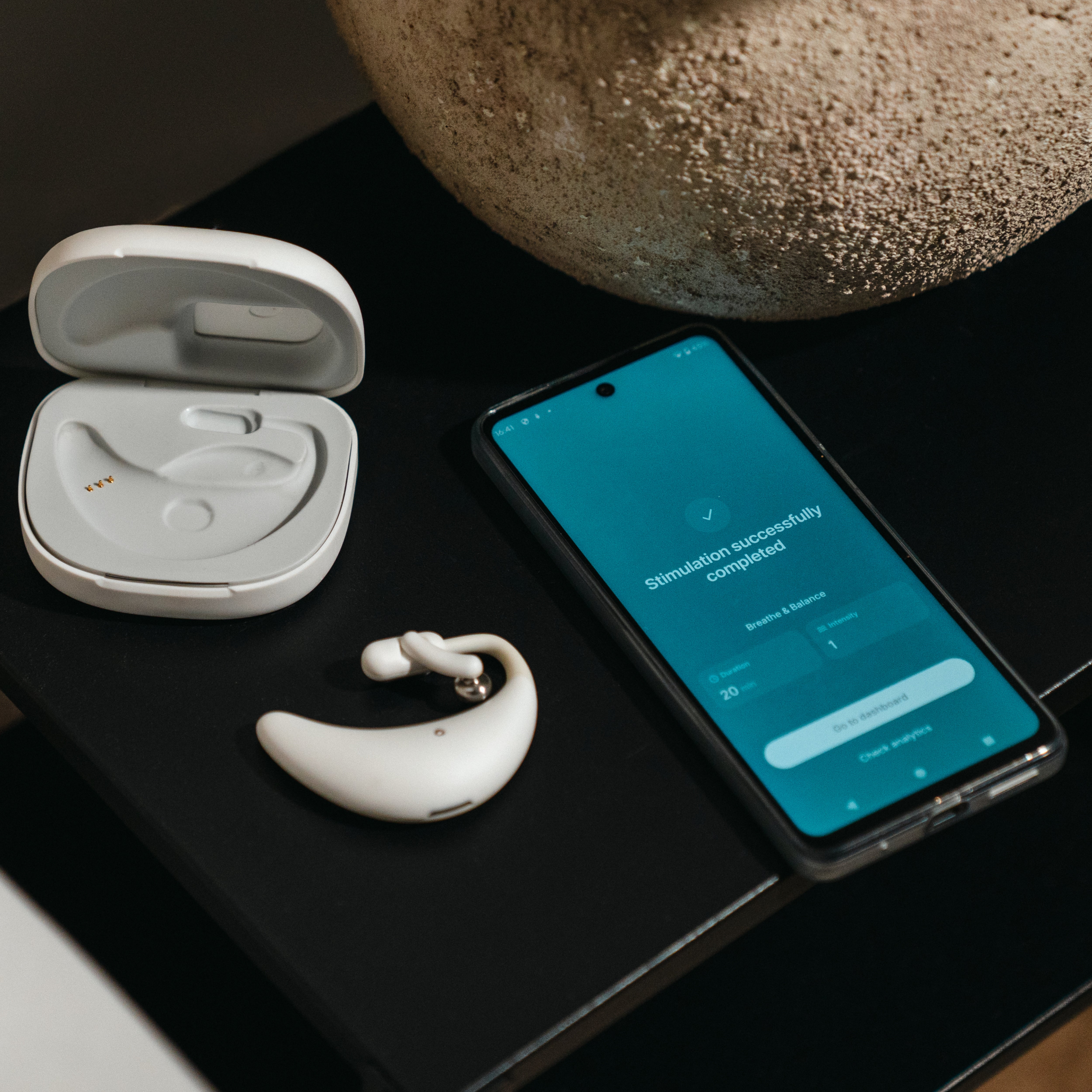
Ready to transform your sleep and daily energy? Explore how SONA's AI-powered vagus nerve stimulation can support your nervous system regulation and sleep quality. Learn more about the science behind SONA's approach to building resilience as a busy parent.
Disclaimer
**DISCLAIMER:** Sona is a wellness device and is not a medically regulated product. The information in this article is for educational purposes only and does not constitute medical advice. We do not make any claims about Sona's ability to diagnose, treat, cure, or prevent any medical condition. Vagus nerve stimulation research referenced in this article relates to the broader field of VNS and may not be specific to any particular consumer device. Always consult a qualified healthcare professional before making decisions about your health.
Sources
- Thayer, J. F., Åhs, F., Fredrikson, M., Sollers III, J. J., & Wager, T. D. (2012). A meta-analysis of heart rate variability and neuroimaging studies
- Lehrer, P. M., & Gevirtz, R. (2014). Heart rate variability biofeedback: how and why does it work?
- Porges, S. W. - Polyvagal Theory research


Share:
Best Sleep Apps Compared 2026: Meditation vs Vagus Nerve Stimulation
Sona vs Calm vs Headspace 2026: VNS Device vs Meditation Apps Compared