

When comparing Sona vs Calm vs Headspace, the fundamental difference lies in their approach: Sona uses AI-powered vagus nerve stimulation to directly regulate your nervous system, whilst Calm and Headspace rely on guided meditation content to achieve wellness outcomes. Each platform serves distinct wellness needs with unique methodologies and pricing structures.
In the evolving space of digital wellness solutions, these three platforms have emerged as leaders in their respective domains. Sona represents a breakthrough in personalised physiological intervention, using closed-loop biofeedback to adapt to your body's real-time signals. Calm has built its reputation on extensive relaxation content and celebrity-narrated sleep stories. Headspace pioneered the structured approach to mindfulness education, making meditation accessible through progressive curricula.
This complete comparison will explore how each platform addresses stress management, sleep improvement, and focus enhancement. We'll examine the science behind their approaches, analyse pricing models, and help you determine which solution aligns with your specific wellness goals and preferences.
Key Takeaways
- Sona offers direct nervous system regulation through AI-powered vagus nerve stimulation, whilst Calm and Headspace use content-based meditation approaches
- Pricing models differ: Sona requires a one-time £695 investment with lifetime app access, versus lower-cost ongoing subscriptions for Calm and Headspace
- Sona provides measurable physiological outcomes through HRV monitoring, whilst meditation apps focus on subjective wellbeing improvements
- Each platform excels in different areas: Sona for anxiety and nervous system regulation, Calm for sleep content, Headspace for structured learning
- Consider your wellness goals, budget, and preferred intervention style when choosing between physiological regulation and meditation-based approaches
Understanding the Three Approaches to Wellness
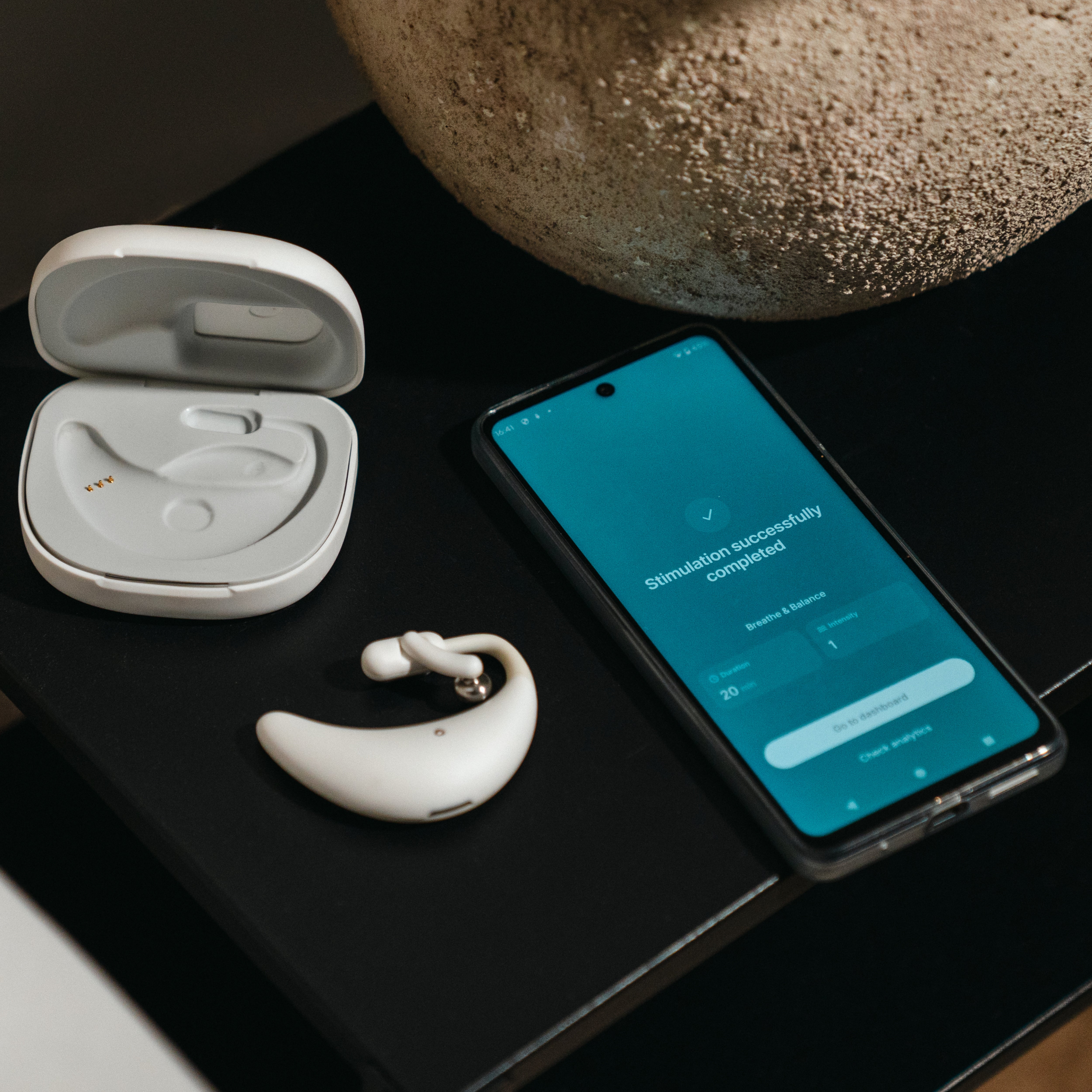
The wellness technology space offers notably different pathways to stress relief and mental clarity. Sona's approach centres on physiological intervention through vagus nerve stimulation, directly influencing your autonomic nervous system. This closed-loop system reads your body's signals (heart rate variability and breathing patterns) then delivers precisely timed electrical pulses to optimise your nervous system state.
Calm takes a content-focused approach, building an extensive library of guided meditations, sleep stories, and relaxation exercises. The platform's philosophy rests on the principle that consistent exposure to calming content can train your mind towards greater tranquillity. With celebrity narrators and diverse themes, Calm transforms meditation into an entertainment-like experience that many find more approachable than traditional practices.
Headspace pioneered the structured mindfulness education methodology, treating meditation as a skill to be systematically developed. Their progressive curriculum guides users from basic breathing exercises to advanced mindfulness techniques. The platform's animated explanations and gamified progress tracking make abstract concepts tangible, particularly appealing to those who appreciate clear learning pathways.
These different approaches serve distinct wellness goals because they target different aspects of the stress response. Sona's vagus nerve stimulation directly modulates the parasympathetic nervous system: the body's rest-and-digest response. Meditation apps work primarily through cognitive pathways, training attention and awareness to influence physiological states indirectly. Understanding these mechanisms helps clarify why some individuals respond better to one approach than another.
Sona: AI-Powered Vagus Nerve Stimulation
Sona's closed-loop system represents a fundamental shift in personalised wellness technology. The device continuously monitors your heart rate variability (HRV) and breathing patterns, using these biometric signals to determine the optimal timing and intensity of vagus nerve stimulation. This isn't a one-size-fits-all approach: the AI adapts to your unique physiology in real-time, learning what works best for your nervous system.
The multi-modal approach combines three complementary elements: gentle electrical stimulation delivered through the vagus nerve, synchronised sound frequencies that enhance the stimulation effect, and guided breathing exercises that amplify your body's natural relaxation response. Think of it as conducting an orchestra where each element plays in perfect harmony with your body's rhythms. The electrical pulses are timed to coincide with specific phases of your heartbeat and breath, maximising the impact on your autonomic nervous system.
Is Sona better than Headspace for anxiety? For individuals seeking measurable physiological changes in their anxiety response, Sona offers distinct advantages. Research on vagus nerve stimulation benefits shows significant reductions in anxiety markers, including decreased cortisol levels and improved heart rate variability. Whilst Headspace provides valuable cognitive tools for managing anxious thoughts, Sona directly modulates the nervous system pathways that generate the physical symptoms of anxiety.
The investment model sets Sona apart from subscription-based wellness apps. At £695, it requires a significant upfront commitment but includes lifetime app access with no recurring fees. This positions Sona as a long-term wellness investment rather than an ongoing expense. Target users include those who've tried meditation apps without consistent results, individuals seeking evidence-based interventions with measurable outcomes, and anyone prioritising nervous system regulation for stress, anxiety, or performance optimisation.
Calm: Content-Rich Meditation and Sleep Platform
Calm has distinguished itself through an expansive content library that transforms meditation from a practice into an experience. The platform offers hundreds of guided meditations spanning anxiety relief, focus enhancement, self-compassion, and gratitude practices. What truly sets Calm apart is its Sleep Stories collection: bedtime tales narrated by celebrities like Matthew McConaughey and Idris Elba that have become cultural phenomena in their own right.
The user interface prioritises accessibility and visual tranquillity. Serene nature scenes, gentle animations, and intuitive navigation create an immediate sense of calm upon opening the app. This design philosophy extends to the content structure: meditations are organised by duration, theme, and experience level, making it simple to find appropriate sessions whether you have three minutes or thirty.
Calm's content strategy focuses heavily on relaxation and sleep improvement. Daily Calm sessions provide fresh meditation content each day, whilst specialised programmes address specific challenges like breaking habits or managing difficult emotions. The platform regularly adds new content across diverse themes (from ASMR sessions to mindful movement videos) ensuring users always have fresh material to explore.
The subscription model offers flexibility with monthly and annual options (pricing varies by region; check calm.com for current rates). This ongoing investment provides continuous content updates, new features, and access to Calm's expanding wellness ecosystem. The platform particularly appeals to those who value variety, enjoy narrative-driven relaxation content, and prefer guided experiences over self-directed practice.
Headspace: Structured Mindfulness Education
Headspace approaches meditation as a teachable skill, structuring content into progressive courses that build upon foundational concepts. The Basics course introduces core mindfulness principles through bite-sized lessons, using co-founder Andy Puddicombe's distinctive teaching style and charming animations to demystify meditation. This educational philosophy permeates the entire platform: rather than simply guiding relaxation, Headspace explains the 'why' behind each technique.
Scientific backing forms a cornerstone of Headspace's credibility. The company has partnered with numerous research institutions to validate its programmes' effectiveness. Published studies demonstrate improvements in focus, compassion, and stress reduction amongst regular users. This evidence-based approach extends to specialised content for healthcare settings, with Headspace expanding into clinical mental health support for anxiety and depression.
Workplace wellness represents a significant focus area, with Headspace offering tailored content for professional environments. Features include team challenges, productivity-focused sessions, and manager resources for supporting employee mental health. The platform's SOS sessions offer immediate support during acute stress moments, whilst Focus music uses scientifically designed soundscapes to enhance concentration.
Gamification elements make progress tangible through streak counters, milestone celebrations, and social features. These engagement mechanics address a common challenge with meditation apps: maintaining consistent practice. By treating meditation as a skill with measurable progress rather than an abstract practice, Headspace appeals particularly to goal-oriented individuals who appreciate structured learning paths.
Pricing and Value Comparison
The pricing structures of these three platforms reflect fundamentally different value propositions. Sona's one-time investment of £695 positions it as a premium wellness device comparable to high-end fitness equipment or medical-grade biofeedback systems. This upfront cost includes the physical device, lifetime app access, and all future software updates: no hidden fees or surprise subscription renewals.
Calm and Headspace operate on subscription models that seem modest monthly but represent ongoing costs. Headspace's annual subscription sits at approximately £49.99, whilst Calm's pricing varies by region and plan tier. Both periodically offer lifetime access options for committed long-term users.
Are meditation apps worth paying for? The answer depends on your wellness goals and intervention preferences. For content variety and guided relaxation, subscription apps offer excellent value with constantly updated material at a lower price point. Sona's higher upfront investment delivers a fundamentally different type of intervention — direct physiological regulation with measurable outcomes and no recurring fees — making it a different category of purchase rather than a like-for-like comparison.
Consider the trial periods when evaluating options. Sona offers a 30-day money-back guarantee, allowing substantial time to experience physiological benefits. Calm and Headspace typically provide 7-14 day free trials: enough to sample content but perhaps insufficient to establish lasting habits. Factor in your commitment level, desired outcomes, and financial preferences when weighing upfront investment against ongoing subscriptions.
Effectiveness for Specific Wellness Goals
Stress and Anxiety Management: Each platform addresses stress through distinct mechanisms. Sona's vagus nerve stimulation directly activates the parasympathetic nervous system, producing measurable reductions in stress biomarkers. Users report feeling calmer within minutes, with effects lasting hours beyond sessions. Research on VNS demonstrates significant anxiety reduction through improved vagal tone and HRV.
Calm approaches stress through cognitive reframing and relaxation techniques. Their anxiety-specific meditations guide users through thought observation, breathing exercises, and body scans. Whilst effective for many, results depend heavily on consistent practice and individual responsiveness to meditation. Headspace's structured approach teaches stress management as a skill, progressing from basic awareness to advanced techniques for working with difficult emotions.
Sleep Improvement: Calm dominates the sleep category with its extensive Sleep Stories library and sleep-specific meditations. The platform's bedtime content has helped millions establish calming pre-sleep routines. Sona enhances sleep quality through nervous system regulation: evening sessions can shift your body into parasympathetic dominance, preparing for restorative rest. VNS research on sleep shows improvements in sleep architecture and reduced sleep latency.
Focus and Productivity: Headspace's Focus music and concentration-specific meditations target cognitive performance directly. Their scientifically designed soundscapes can enhance sustained attention during work sessions. Sona improves focus through optimised autonomic balance: when your nervous system operates efficiently, cognitive resources aren't depleted by stress responses. This physiological approach to focus differs from meditation's attention-training methods.
The choice between platforms often comes down to whether you prefer working with your mind (meditation apps) or directly with your body (Sona). Some find combining approaches most effective: using Sona for rapid nervous system regulation and meditation apps for mindfulness skill development. For a broader look at options, see our guide to natural sleep improvement.
User Experience and Interface Design
Sona's interface prioritises biometric feedback and session customisation over content browsing. The app displays real-time HRV data, breathing patterns, and nervous system state indicators, creating an engaging biofeedback experience. Sessions feel interactive rather than passive: you're actively participating in your nervous system regulation whilst observing immediate physiological responses.
Calm's design philosophy centres on immediate tranquillity. Nature scenes, ambient sounds, and minimalist navigation create a digital sanctuary. The app excels at content discovery, with curated collections, personalised recommendations, and intuitive categorisation. However, the vast library can occasionally feel overwhelming for users seeking simple, consistent routines.
Headspace's playful animations and clean interface make meditation approachable and non-intimidating. The app's strength lies in its progressive structure: you always know where you are in your learning journey and what comes next. Andy Puddicombe's friendly guidance and the charming visual metaphors help abstract concepts feel concrete and achievable.
Device requirements differ significantly. Sona requires the physical stimulation device plus a compatible smartphone for the app. This hardware component means you're committing to a specific location for sessions: though the device's portability allows use anywhere quiet. Meditation apps offer complete flexibility, accessible on phones, tablets, and computers, enabling practice during commutes, lunch breaks, or travels.
Scientific Evidence and Clinical Support
The scientific foundations underlying these platforms vary considerably in depth and directness. Vagus nerve stimulation, the technology behind Sona, has decades of clinical research demonstrating efficacy for various conditions. Studies show VNS can significantly improve heart rate variability, reduce inflammatory markers, and modulate stress responses. The closed-loop approach Sona employs (adapting stimulation based on real-time physiological feedback) represents the cutting edge of personalised neuromodulation.
Meditation research, whilst extensive, often faces challenges in standardisation and measurement. Headspace has invested significantly in validating its specific programmes, with peer-reviewed studies showing improvements in focus, compassion, and stress reduction. Their research partnerships with universities have produced compelling evidence for structured mindfulness training. These studies typically measure outcomes through self-reported questionnaires and some physiological markers.
Calm's research focus has been less prominent, though the platform cites general meditation benefits supported by the broader mindfulness literature. The effectiveness of Sleep Stories and relaxation content relies more on user testimonials and download statistics than published clinical trials. This doesn't diminish their value (millions find genuine benefit) but the evidence base differs from more clinically oriented approaches.
Importantly, the mechanisms of action vary fundamentally. VNS produces direct physiological changes through electrical stimulation of neural pathways. Meditation creates changes through sustained practice and cognitive training, with physiological benefits emerging as secondary effects. Understanding these differences helps set appropriate expectations for each platform's potential impact on your wellbeing.
Integration with Daily Life and Long-term Sustainability
Successful wellness interventions must integrate smoothly into daily routines. Sona sessions typically require 10-20 minutes in a comfortable, quiet setting where you can focus on the biofeedback without distraction. The device's portability allows use at home, in the office, or whilst travelling, though you'll need that dedicated time and space. Users often establish consistent morning or evening rituals, using Sona's nervous system regulation to bookend their days.
Meditation apps offer greater flexibility in terms of when and where you practice. Calm's three-minute breathing exercises fit into the busiest schedules, whilst longer sessions provide deeper relaxation when time allows. The challenge lies in maintaining consistency: without the tangible device and immediate biofeedback that Sona provides, it's easier to skip sessions or forget to practice.
Headspace addresses sustainability through its structured programmes and progress tracking. The app's buddy system and streak counters create accountability, whilst the educational approach helps users understand why they're practising. This knowledge foundation often proves important for long-term adherence: when you understand how mindfulness works, you're more likely to prioritise it.
Consider your lifestyle patterns when choosing platforms. If you thrive with tangible tools and measurable outcomes, Sona's device-based approach may ensure better consistency. If you need maximum flexibility and variety to stay engaged, meditation apps' vast content libraries provide endless exploration. Some users find combining approaches most sustainable: using Sona for consistent nervous system regulation whilst exploring meditation for specific situations or skill development.
Making Your Decision: Key Considerations
Choosing between Sona, Calm, and Headspace requires honest assessment of your wellness priorities, learning style, and financial considerations. If you're seeking measurable physiological changes, particularly for anxiety, stress, or autonomic dysregulation, Sona's direct nervous system intervention offers unique advantages. Whilst the upfront cost is higher than app subscriptions, it includes lifetime access and delivers a fundamentally different type of intervention.
Select Calm if you value content variety, celebrity voices, and sleep-focused programming. The platform excels for those who find traditional meditation austere or boring: Calm makes relaxation entertaining and accessible. The subscription model suits users who prefer lower initial costs and enjoy regularly updated content.
Choose Headspace for structured learning and evidence-based mindfulness education. If you appreciate clear progression, scientific backing, and playful presentation, Headspace's curriculum approach provides an excellent foundation for developing lasting meditation skills. The platform particularly suits beginners seeking complete guidance and workplace wellness initiatives.
Remember that these platforms aren't mutually exclusive. Many users begin with meditation apps to develop awareness and relaxation skills, then add Sona for more direct physiological intervention. Others use Sona as their primary wellness tool whilst occasionally enjoying Calm's Sleep Stories. Your wellness journey may evolve, and different tools may serve you at different life stages.
Frequently Asked Questions
What is the main difference between Sona and meditation apps?
Sona uses AI-powered vagus nerve stimulation to directly regulate your nervous system through electrical pulses and biofeedback, whilst Calm and Headspace use guided meditation content to influence mental states. Sona provides measurable physiological changes, whereas meditation apps focus on cognitive and awareness training.
Which platform is most cost-effective long-term?
Meditation app subscriptions are lower cost, typically £50-80 per year. Sona's one-time £695 investment is higher upfront but includes lifetime app access with no recurring fees and delivers a fundamentally different physiological intervention. The right choice depends on whether you're comparing content subscriptions or investing in a medical-grade wellness device — they serve different purposes.
Can I use Sona if I've never meditated before?
Yes, Sona requires no prior meditation experience. The device guides your breathing whilst automatically adjusting stimulation based on your body's signals. Unlike meditation apps that require learning techniques, Sona works directly with your nervous system, making it ideal for those who struggle with traditional meditation.
Do I need the Sona device to use the app?
Yes, the Sona app requires the physical device to deliver vagus nerve stimulation and read your biometric signals. The app alone cannot provide the therapeutic benefits: it works as a control interface and feedback system for the hardware.
Which platform is best for improving sleep?
For sleep-specific content and bedtime routines, Calm offers the most extensive library with its famous Sleep Stories. However, Sona can improve sleep quality by regulating your nervous system before bed, whilst Headspace provides structured sleepcasts and wind-down exercises. Choose based on whether you prefer stories (Calm), physiological preparation (Sona), or guided techniques (Headspace).
How quickly will I see results from each platform?
Sona users often report immediate calming effects during their first session, with cumulative benefits building over weeks. Meditation apps typically require 2-4 weeks of consistent practice to notice significant changes, though some experience relaxation immediately. Individual responses vary based on consistency and personal physiology.
Conclusion
The choice between Sona vs Calm vs Headspace ultimately reflects your personal wellness philosophy and practical needs. Each platform excels in its domain: Sona for direct nervous system regulation with measurable outcomes, Calm for diverse relaxation content and sleep support, and Headspace for structured mindfulness education.
Consider Sona if you value scientific precision, prefer tangible physiological interventions, and want a one-time investment over ongoing subscriptions. The AI-powered personalisation and real-time biofeedback create a uniquely responsive wellness experience that adapts to your changing needs.
Your wellness journey deserves tools that genuinely serve your goals. Whether you choose physiological intervention through vagus nerve stimulation or cognitive training through meditation, committing to consistent practice remains the key to lasting benefits.
Ready to experience the future of personalised wellness? Explore SONA and discover how AI-powered vagus nerve stimulation can transform your approach to stress management and nervous system health. Learn more about the science behind SONA.
Disclaimer
**DISCLAIMER:** Sona is a wellness device and is not a medically regulated product. The information in this article is for educational purposes only and does not constitute medical advice. We do not make any claims about Sona's ability to diagnose, treat, cure, or prevent any medical condition. Vagus nerve stimulation research referenced in this article relates to the broader field of VNS and may not be specific to any particular consumer device. Always consult a qualified healthcare professional before making decisions about your health.



Share:
Better Sleep for Parents: Nervous System Strategies That Actually Work
Vagus Nerve Stimulation for Anxiety: 2026 Evidence Guide