


Vagus nerve stimulation for sleep is a therapeutic approach that activates your body's natural rest-and-recovery system through targeted stimulation of the vagus nerve, the longest cranial nerve connecting your brain to vital organs. By enhancing parasympathetic nervous system activity and improving vagal tone, VNS helps regulate sleep cycles, reduce stress hormones, and promote the deep, restorative rest your body needs. This evidence-based technique encompasses both advanced electronic devices and natural stimulation methods, offering personalised solutions for various sleep challenges.
The vagus nerve serves as your body's primary pathway for activating the parasympathetic nervous system - often called the 'rest and digest' state. When stimulated effectively, this notable nerve triggers a cascade of physiological changes that prepare your body for sleep: heart rate slows, breathing deepens, stress hormones decrease, and your nervous system shifts into recovery mode. Research reveals that individuals with higher vagal tone consistently experience better sleep quality, fall asleep more quickly, and wake feeling more refreshed.
Modern approaches to vagus nerve stimulation for sleep range from sophisticated AI-powered devices that adapt to your unique physiology to simple breathing exercises you can practise at bedtime. What makes VNS particularly powerful is its ability to address sleep issues at their neurological root, rather than merely masking symptoms. Whether you're dealing with occasional restlessness or chronic sleep disruption, understanding how to optimise your vagal tone offers a pathway to transformative rest.
Key Takeaways
- VNS activates the parasympathetic nervous system, creating optimal conditions for deep, restorative sleep
- Both electronic devices and natural techniques can effectively stimulate the vagus nerve for better rest
- Research shows VNS can improve sleep onset, quality, and duration whilst reducing night-time awakening
- AI-powered VNS devices offer personalised stimulation patterns that adapt to your unique sleep needs
- Regular vagus nerve stimulation helps regulate circadian rhythms and reduce sleep-disrupting stress hormones
The Sleep-Vagus Nerve Connection: Your Body's Natural Rest System
Your vagus nerve orchestrates a sophisticated symphony of physiological processes that prepare your body for sleep each night. As the primary component of the parasympathetic nervous system, this notable nerve extends from your brainstem through your heart, lungs, and digestive organs, creating a bidirectional communication highway between brain and body. When functioning optimally, your vagus nerve acts like a master dimmer switch, gradually lowering your body's arousal levels as bedtime approaches.
The relationship between vagal tone - your vagus nerve's baseline activity level - and sleep quality is profound. High vagal tone correlates with increased heart rate variability (HRV), a key marker of nervous system flexibility and resilience. During sleep, individuals with strong vagal tone demonstrate more stable sleep architecture, spending appropriate time in each sleep stage and transitioning smoothly between them. Their bodies maintain lower inflammatory markers and more balanced hormone levels throughout the night.
Poor vagal tone creates a cascade of sleep disruptions. When your vagus nerve underperforms, your body struggles to exit the sympathetic 'fight or flight' state, keeping stress hormones like cortisol elevated when they should naturally decline. This nervous system dysregulation manifests as racing thoughts at bedtime, frequent night-time awakening, and that frustrating feeling of exhaustion despite spending adequate time in bed. Research indicates that chronic stress further suppresses vagal activity, creating a vicious cycle where poor sleep begets more stress, which further compromises sleep quality.
Your circadian rhythm - the internal clock governing sleep-wake cycles - relies heavily on vagal signalling. The vagus nerve helps synchronise peripheral clocks throughout your body with the master clock in your brain, ensuring organs and systems prepare for sleep in coordinated fashion. This synchronisation affects everything from body temperature regulation to melatonin production, creating the physiological conditions necessary for restorative rest.
Types of Vagus Nerve Stimulation for Sleep Enhancement
Vagus nerve stimulation for sleep encompasses two main categories: electronic device-based approaches and natural stimulation techniques. Electronic VNS includes both implantable medical devices used in clinical settings and non-invasive consumer devices designed for home use. Natural methods range from specific breathing patterns to cold exposure, offering accessible options for those preferring non-device approaches. Each method works by activating vagal pathways, though they differ in intensity, precision, and ease of use.
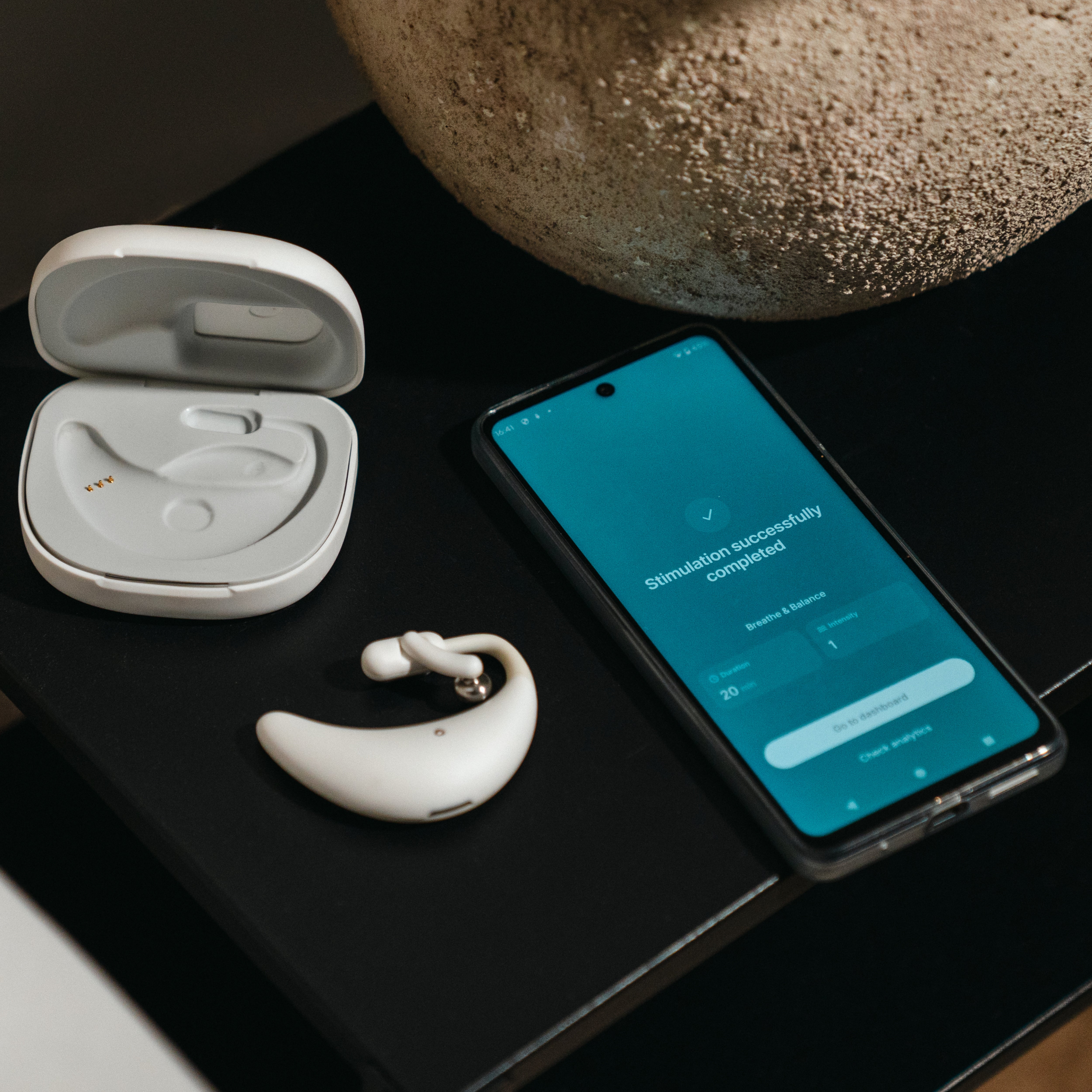
Electronic VNS devices deliver targeted electrical impulses to stimulate vagal fibres, typically through the skin at specific anatomical points. Modern non-invasive devices often target the auricular branch of the vagus nerve in the ear or transcutaneous points on the neck. These devices can provide consistent, measurable stimulation with parameters optimised for sleep enhancement. The most advanced systems use closed-loop technology, adjusting stimulation based on real-time biometric feedback to maximise effectiveness whilst maintaining comfort.
Natural vagus nerve stimulation techniques use your body's built-in mechanisms for vagal activation. Deep diaphragmatic breathing, for instance, stimulates vagal afferents through mechanical pressure changes in the chest cavity. Cold exposure triggers the dive reflex, powerfully activating vagal pathways. Practices like yoga, meditation, and even gargling or humming create vibrations that stimulate vagal branches. While these methods may seem simple, research confirms their ability to measurably improve vagal tone and sleep quality when practised consistently.
The choice between device-based and natural VNS often depends on individual needs, preferences, and sleep challenges. Electronic devices offer advantages in precision, consistency, and the ability to deliver stimulation during sleep itself. Natural methods provide accessibility, cost-effectiveness, and the empowerment of self-directed practice. Many sleep specialists recommend combining approaches - using devices for targeted intervention whilst incorporating natural techniques into daily routines for ongoing vagal health.
Effectiveness varies by sleep condition and individual physiology. Clinical research suggests electronic VNS shows particular promise for treatment-resistant insomnia and sleep disorders with autonomic dysfunction. Natural methods excel for stress-related sleep issues and as preventive measures for maintaining healthy sleep patterns. The key lies in matching the approach to your specific sleep challenges whilst considering factors like consistency of use, comfort level, and integration with existing sleep hygiene practices.
AI-Powered VNS Devices: The Future of Personalised Sleep Therapy
The evolution of VNS technology has reached a notable inflection point with AI-powered devices that adapt to individual physiology in real-time. Unlike traditional one-size-fits-all stimulators, these sophisticated systems continuously monitor biometric signals like heart rate variability and respiratory patterns, adjusting stimulation parameters to optimise vagal activation for each user's unique nervous system. This personalisation is important because vagal anatomy and responsiveness vary significantly between individuals - what works brilliantly for one person may be ineffective or uncomfortable for another.
At the heart of these advanced systems lies the concept of time-locked delivery - synchronising electrical pulses with your body's natural rhythms. Think of it like pushing a swing at precisely the right moment to maximise momentum. By delivering stimulation in harmony with cardiac and respiratory cycles, these devices achieve greater vagal activation with lower intensity stimulation. This approach not only enhances effectiveness but also improves comfort and reduces the risk of unwanted side effects.
Closed-loop functionality represents another leap forward in VNS technology. These systems create a continuous feedback loop: sensors monitor your physiological response to stimulation, AI algorithms analyse this data in real-time, and the device adjusts its output accordingly. If your nervous system shows signs of overstimulation, the device automatically reduces intensity. If you're not responding adequately, it can modify frequency or pulse patterns. This dynamic adaptation ensures optimal therapeutic benefit throughout your entire sleep period.
Multi-modal approaches amplify the sleep-enhancing effects of vagal stimulation by combining electrical impulses with complementary therapies. Advanced devices might synchronise VNS with binaural beats known to promote sleep, guided breathing exercises that naturally enhance vagal tone, or even subtle temperature modulation. This orchestrated approach addresses sleep from multiple angles simultaneously, creating synergistic effects that exceed what any single intervention could achieve.
The integration of machine learning enables these devices to become more effective over time, learning your unique patterns and predicting optimal stimulation protocols for different situations. Perhaps you need gentler stimulation on stressful workdays but can benefit from more intensive protocols on weekends. Maybe your vagal responsiveness changes with your menstrual cycle or seasonal patterns. AI-powered devices detect these nuances and adapt accordingly, delivering truly personalised sleep therapy that evolves with your changing needs.
Natural Vagus Nerve Stimulation Techniques for Sleep
Natural vagus nerve stimulation offers accessible, cost-free methods to enhance sleep quality through simple yet powerful techniques. (For a wider toolkit, see our full set of vagus nerve exercises for stress relief and broader natural ways to improve sleep quality.) These practices, rooted in ancient wisdom and validated by modern science, activate vagal pathways through mechanical, thermal, or vibrational mechanisms. When incorporated into evening routines, they create a natural transition from daytime alertness to night-time rest.
Breathing exercises stand as the cornerstone of natural vagal stimulation. The 4-7-8 technique - inhaling for 4 counts, holding for 7, exhaling for 8 - directly stimulates vagal afferents through diaphragmatic expansion and prolonged exhalation. Research shows this pattern can reduce sleep onset time by up to 50% when practised consistently. Even simpler approaches like coherent breathing (5 seconds in, 5 seconds out) effectively boost vagal tone whilst calming racing thoughts that often prevent sleep.
Cold exposure provides a powerful vagal stimulus through activation of the mammalian dive reflex. A brief cold shower before bed, focusing the water on your face and chest for 30-60 seconds, triggers immediate vagal activation. For those who find cold showers too stimulating, simply splashing cold water on the face or holding cold compresses against the temples achieves similar effects. The key is using cold strategically - enough to activate vagal pathways without creating alertness that interferes with sleep.
Vocal techniques like humming, chanting, or gargling create vibrations that directly stimulate the vagus nerve as it passes through the throat. Five minutes of gentle humming or om chanting before bed not only activates vagal pathways but also naturally slows breathing and promotes mental stillness. Gargling water vigorously for 30 seconds several times activates muscles connected to the vagus nerve, though this more stimulating practice works better earlier in the evening rather than immediately before sleep.
Gentle movement practices designed for vagal activation include specific yoga poses and stretches that compress or stretch areas rich in vagal innervation. Child's pose, legs-up-the-wall, and gentle spinal twists effectively stimulate the vagus nerve whilst preparing the body for rest. Combining these movements with slow, conscious breathing amplifies vagal activation. Even simple practices like gentle neck rolls or ear massage (targeting the auricular branch of the vagus nerve) can meaningfully improve vagal tone when performed mindfully before sleep.
Scientific Evidence: What Research Reveals About VNS and Sleep
The scientific foundation supporting vagus nerve stimulation for sleep has expanded dramatically over the past decade, with research revealing compelling evidence for VNS effectiveness across various sleep parameters. Clinical studies demonstrate that VNS can significantly improve both subjective sleep quality and objective measures like sleep efficiency, total sleep time, and sleep architecture. A landmark study by Bretherton et al. (2019) found that transcutaneous vagus nerve stimulation increased slow-wave sleep by 23% and reduced night-time awakening by 40% in adults with sleep disturbances.
The relationship between heart rate variability improvement and enhanced sleep quality provides particularly strong evidence for VNS benefits. Research consistently shows that individuals who undergo regular VNS demonstrate increased HRV, which correlates directly with better sleep outcomes. De Couck and colleagues (2021) tracked participants using non-invasive VNS for 8 weeks, finding not only improved HRV but also significant reductions in sleep latency and improvements in self-reported sleep satisfaction. These HRV changes suggest VNS helps restore autonomic balance, creating physiological conditions conducive to restorative sleep.
Clinical trials focusing on specific sleep disorders have yielded promising results. For chronic insomnia, Jiao et al. (2020) reported that auricular VNS combined with standard care outperformed standard care alone, with 68% of VNS participants achieving clinically meaningful improvement versus 35% in the control group. Studies on VNS for sleep apnoea show potential for reducing apnoea-hypopnoea index scores, though researchers note that VNS appears most effective for central rather than obstructive sleep apnoea patterns.
Neuroscience research has illuminated the mechanisms underlying VNS sleep benefits. Functional imaging studies reveal that VNS modulates activity in brain regions important for sleep regulation, including the hypothalamus, brainstem, and limbic structures. VNS appears to enhance GABAergic signalling - the brain's primary inhibitory neurotransmitter system - whilst reducing excessive glutamatergic activation associated with hyperarousal and insomnia. Additionally, VNS influences circadian gene expression, potentially explaining its effects on sleep-wake cycle regulation.
Whilst the evidence base continues to strengthen, researchers acknowledge important limitations requiring further investigation. Most studies involve relatively small sample sizes and short follow-up periods, making it difficult to assess long-term efficacy and optimal treatment protocols. Questions remain about ideal stimulation parameters, timing, and duration for different sleep conditions. Individual variability in VNS response also needs better characterisation to predict who will benefit most from this intervention. Despite these gaps, the convergence of evidence from multiple research domains supports VNS as a valuable tool for enhancing sleep quality, particularly when integrated with complete sleep hygiene approaches.
VNS for Specific Sleep Conditions
Vagus nerve stimulation shows varying effectiveness across different sleep conditions, with research revealing specific benefits for certain disorders whilst highlighting limitations for others. Understanding these nuances helps individuals and healthcare providers make informed decisions about incorporating VNS into treatment plans.
Chronic insomnia represents one of the most promising applications for VNS therapy. Studies indicate that regular vagus nerve stimulation can address multiple factors contributing to insomnia: hyperarousal, autonomic imbalance, and disrupted circadian rhythms. VNS appears particularly effective for psychophysiological insomnia, where anxiety and nervous system dysregulation perpetuate sleeplessness. Patients often report not just faster sleep onset but improved sleep maintenance and morning refreshment. The non-pharmacological nature of VNS makes it especially valuable for those seeking alternatives to sleep medications or experiencing medication tolerance.
Sleep apnoea presents a more complex picture for VNS intervention. Research suggests vagus nerve stimulation can benefit central sleep apnoea by stabilising respiratory drive and improving autonomic regulation of breathing. However, for obstructive sleep apnoea, VNS effects appear more modest, potentially helping with associated symptoms like daytime fatigue rather than directly reducing apnoeic events. Some studies indicate VNS may enhance CPAP compliance by improving overall sleep quality and reducing anxiety around sleep, making it a useful adjunct rather than standalone treatment.
For REM sleep behaviour disorder and parasomnias, emerging evidence suggests VNS may help regulate the neural circuits controlling sleep stage transitions. By enhancing parasympathetic tone and stabilising autonomic function, VNS could reduce the frequency and intensity of parasomnia episodes. Preliminary research also shows promise for restless legs syndrome, with vagal stimulation potentially modulating the sensory-motor pathways involved in symptom generation.
The relationship between VNS and circadian rhythm disorders deserves special attention. Shift work sleep disorder, delayed sleep phase syndrome, and jet lag all involve misalignment between internal biological clocks and environmental demands. VNS appears to influence circadian timing through vagal connections to the suprachiasmatic nucleus and by modulating peripheral clock gene expression. Regular VNS use may help accelerate adaptation to new sleep schedules and maintain circadian stability despite challenging work patterns.
Creating Your VNS Sleep Protocol
Developing an effective VNS sleep protocol requires careful consideration of timing, intensity, and integration with your existing bedtime routine. The most successful approaches begin with establishing baseline measurements - tracking your current sleep patterns, HRV levels, and subjective sleep quality for at least a week before starting VNS. This data provides important reference points for assessing progress and adjusting your protocol.
Timing optimisation plays an important role in VNS effectiveness for sleep. Research suggests initiating stimulation 30-60 minutes before your intended bedtime allows sufficient time for parasympathetic activation whilst avoiding overstimulation. Some individuals benefit from a brief morning session to set positive vagal tone for the day, followed by a longer evening session. If using device-based VNS, start with shorter durations (10-15 minutes) and gradually increase based on your response. Natural techniques can be practised for longer periods, with 20-30 minutes of combined breathing exercises and gentle movement often proving optimal.
Creating the right environment amplifies VNS benefits. Dim lighting signals your body's natural melatonin production whilst you engage in vagal stimulation. Comfortable positioning - whether seated for breathing exercises or reclined for device use - prevents tension that could counteract relaxation. Many find that combining VNS with other sensory inputs like calming music or essential oils creates a powerful sleep-inducing ritual. The key is consistency; your nervous system responds best to predictable patterns.
Progress tracking enables protocol refinement based on real outcomes rather than guesswork. Monitor both objective measures (sleep duration, night-time awakening, morning HRV) and subjective factors (sleep quality ratings, morning energy, dream recall). Many modern VNS devices include companion apps that automatically track relevant metrics. For natural techniques, simple sleep diaries work well. Look for patterns over weeks rather than daily fluctuations - vagal tone improvements often manifest gradually.
Common challenges in establishing a VNS sleep protocol include initial adjustment periods where sleep might temporarily worsen as your nervous system adapts, difficulty maintaining consistency during travel or schedule changes, and the temptation to increase intensity too quickly when not seeing immediate results. Address these by starting conservatively, having backup plans for disrupted routines (like portable breathing exercises when devices aren't practical), and remembering that vagal tone builds slowly but steadily with regular practice. Most individuals notice meaningful improvements within 2-4 weeks of consistent VNS use.
Frequently Asked Questions
Does vagus nerve stimulation help with insomnia?
Yes, research shows VNS can significantly help with insomnia by addressing its neurological roots. Clinical studies demonstrate that regular vagus nerve stimulation reduces sleep onset time, decreases night-time awakening, and improves overall sleep quality. VNS works by activating the parasympathetic nervous system, reducing stress hormones, and promoting the physiological conditions necessary for sleep. Both device-based and natural VNS techniques have shown effectiveness, with many insomnia sufferers experiencing noticeable improvements within 2-4 weeks of consistent use.
How long does it take for VNS to improve sleep?
Most people begin noticing subtle improvements in sleep quality within 1-2 weeks of starting regular VNS, with more significant benefits emerging after 4-6 weeks of consistent use. Initial changes often include feeling more relaxed at bedtime and experiencing deeper sleep, even if total sleep time doesn't immediately increase. The timeline varies based on factors like the severity of sleep issues, consistency of practice, and individual nervous system responsiveness. Some may experience immediate benefits, whilst others need patience as vagal tone gradually improves.
Can you do vagus nerve stimulation at home for sleep?
Absolutely - numerous safe and effective VNS techniques can be practised at home. Natural methods include specific breathing exercises (like 4-7-8 breathing), cold water face immersion, gargling, humming, and gentle yoga poses. Several FDA-cleared non-invasive VNS devices are also available for home use, offering more targeted stimulation. When starting home VNS practice, begin with gentle techniques and gradually increase intensity or duration based on your response. Always follow device manufacturer guidelines and consult healthcare providers if you have underlying health conditions.
Is vagus nerve stimulation safe for nightly use?
Non-invasive VNS techniques are generally safe for nightly use when practised appropriately. Natural methods like breathing exercises and gentle movements carry minimal risk and can be incorporated into every bedtime routine. Electronic devices designed for consumer use undergo safety testing and include built-in limitations to prevent overstimulation. However, it's important to start slowly, monitor your response, and avoid excessive intensity. Some people may experience mild side effects like temporary throat discomfort or slight headaches, which usually resolve with adjusted technique or reduced intensity.
What's the difference between VNS devices and natural stimulation for sleep?
VNS devices deliver precise, consistent electrical stimulation to vagal pathways, offering controlled intensity and the ability to maintain stimulation even during sleep. They provide measurable, reproducible results and often include tracking capabilities. Natural stimulation techniques like breathing exercises, cold exposure, and vocal exercises activate the vagus nerve through mechanical or thermal means. Whilst less precise, natural methods are free, always accessible, and help develop conscious control over nervous system regulation. Many sleep experts recommend combining both approaches for optimal results.
Conclusion
Vagus nerve stimulation represents a profound shift in how we approach sleep enhancement - moving beyond symptom management to address the neurological foundations of restorative rest. The convergence of ancient wisdom about breath and relaxation with advanced neurotechnology offers unprecedented opportunities to optimise our sleep naturally and effectively.
Whether you choose AI-powered devices that personalise stimulation to your unique physiology or embrace natural techniques that have supported human sleep for millennia, the key lies in consistent practice and patient observation of what works for your nervous system. The research is clear: regular vagus nerve stimulation can transform not just how quickly you fall asleep, but the very quality and restorative power of your rest.
As our understanding of the vagus nerve's role in sleep continues to evolve, one thing remains certain - you have more control over your sleep quality than you might imagine. By nurturing your vagal tone through thoughtful stimulation practices, you're not just improving tonight's sleep; you're building a more resilient nervous system capable of managing life's challenges whilst maintaining the deep, healing rest your body craves.
Ready to transform your sleep through the power of personalised vagus nerve stimulation? Explore SONA to see how our AI-powered approach adapts to your unique nervous system, creating optimal conditions for the restorative rest you deserve. Or read The Science Behind SONA and join thousands discovering that better sleep isn't about trying harder - it's about working with your body's natural wisdom.
Disclaimer
**DISCLAIMER:** Sona is a wellness device and is not a medically regulated product. The information in this article is for educational purposes only and does not constitute medical advice. We do not make any claims about Sona's ability to diagnose, treat, cure, or prevent any medical condition. Vagus nerve stimulation research referenced in this article relates to the broader field of VNS and may not be specific to any particular consumer device. Always consult a qualified healthcare professional before making decisions about your health.
Sources
- Bretherton et al. (2019) - Study on transcutaneous vagus nerve stimulation and sleep parameters
- De Couck et al. (2021) - Research on VNS, HRV improvement, and sleep quality
- Jiao et al. (2020) - Clinical trial on auricular VNS for chronic insomnia



Share:
Vagus Nerve Stimulation for Burnout: A Science-Backed Recovery Guide
Vagus Nerve Stimulation for Stress: Methods That Work