


Vagus nerve stimulation (VNS) offers a scientifically-validated approach to burnout recovery by directly activating your body's parasympathetic nervous system, reducing inflammation, and restoring your natural stress recovery mechanisms. Research shows that VNS can significantly improve heart rate variability, decrease cortisol levels, and enhance emotional regulation in individuals experiencing burnout symptoms.
Burnout isn't simply feeling tired or stressed: it's a profound state of nervous system dysregulation that occurs when your body's stress response becomes chronically activated without adequate recovery. When traditional rest and relaxation methods fail to restore your energy and resilience, it's often because burnout has fundamentally altered how your autonomic nervous system functions. This is where vagus nerve stimulation emerges as a powerful intervention, offering a direct pathway to reset your nervous system's baseline and rebuild your capacity for stress recovery.
Key Takeaways
- Burnout represents a state of nervous system dysregulation, not personal failure or weakness
- VNS directly activates parasympathetic pathways, countering the chronic sympathetic activation of burnout
- Clinical evidence shows VNS improves heart rate variability, reduces inflammation, and enhances stress resilience
- AI-powered personalisation optimises VNS effectiveness by adapting to individual physiological patterns
- Recovery timelines vary, but many experience improvements in energy and mood within 2-4 weeks of regular VNS
Understanding Burnout: When Your Nervous System Gets Stuck
From a nervous system perspective, burnout represents a state where your autonomic nervous system becomes locked in chronic activation patterns, unable to return to baseline regulation. Unlike acute stress, which triggers temporary sympathetic activation followed by recovery, burnout involves persistent dysregulation that fundamentally alters your body's stress response mechanisms.
The distinction between stress and burnout lies in the nervous system's capacity for recovery. During normal stress, your sympathetic nervous system activates to meet challenges, then deactivates as your parasympathetic system engages for rest and restoration. With burnout, this natural oscillation breaks down: your sympathetic system remains chronically activated whilst your parasympathetic response weakens, creating a state of persistent hyperarousal coupled with exhaustion.
This chronic activation affects every aspect of your autonomic nervous system function. Your heart rate variability decreases, indicating reduced nervous system flexibility. Inflammation markers rise as your vagus nerve's anti-inflammatory pathways become suppressed. Sleep patterns fragment as your body struggles to downregulate at night. These aren't separate symptoms but interconnected expressions of a dysregulated nervous system.
Importantly, burnout symptoms directly correspond to specific nervous system patterns. Physical exhaustion reflects dorsal vagal shutdown: your body's last-resort conservation response. Emotional numbness indicates reduced ventral vagal activation, compromising your capacity for social connection and emotional regulation. Cognitive fog emerges from chronic inflammation affecting neural function. Understanding these connections transforms how we approach burnout recovery.
The Vagus Nerve: Your Body's Reset Mechanism
The vagus nerve serves as your body's primary parasympathetic pathway, functioning like a sophisticated reset button for your entire nervous system. As the longest cranial nerve, it extends from your brainstem through your heart, lungs, and digestive system, coordinating the rest-and-digest response that counters stress activation. Think of it as your body's master brake pedal: when activated, it slows heart rate, reduces inflammation, and promotes recovery processes throughout your system.
Vagal tone (the baseline activity level of your vagus nerve) directly determines your stress recovery capacity. High vagal tone, measured through heart rate variability, indicates a responsive, flexible nervous system that can efficiently shift between activation and relaxation. Like a well-tuned instrument, a healthy vagus nerve responds promptly to changing conditions, engaging parasympathetic recovery as soon as stressors pass. Low vagal tone, conversely, reflects a sluggish recovery response, leaving you vulnerable to chronic stress accumulation.
The vagus nerve's role in inflammation regulation proves particularly important for burnout recovery. Through the cholinergic anti-inflammatory pathway, vagal activation directly suppresses pro-inflammatory cytokines: the molecular messengers that drive systemic inflammation. This isn't merely about reducing physical inflammation; chronic inflammation profoundly affects mood, energy, and cognitive function, making vagal regulation essential for complete burnout recovery.
Your vagus nerve also mediates neuroception: your nervous system's unconscious assessment of safety or threat. Through subtle cues like heart rhythm patterns and breathing depth, your vagus nerve constantly evaluates your environment and internal state. When neuroception detects safety, ventral vagal pathways activate, promoting social engagement and restoration. When threat is perceived, these pathways withdraw, shifting you toward defensive states. Understanding this process reveals why creating consistent safety signals through vagus nerve stimulation can fundamentally shift burnout patterns.
How Burnout Disrupts Vagal Function
Chronic stress systematically erodes vagal function through multiple interconnected pathways. As stress hormones like cortisol remain elevated, they directly suppress vagal tone, creating a negative feedback loop where reduced parasympathetic activity leads to further stress accumulation. Heart rate variability (the primary marker of vagal function) progressively decreases, indicating your nervous system's diminishing capacity to adapt and recover. Research shows that individuals with burnout exhibit significantly lower HRV than healthy controls, with reductions correlating directly with symptom severity.
Burnout triggers a fundamental shift in nervous system organisation, moving from healthy ventral vagal dominance to chronic sympathetic activation or dorsal vagal shutdown (a pattern explored in depth in polyvagal theory). In ventral vagal states, you experience calm alertness, social connection, and effortless focus. As burnout progresses, sympathetic dominance creates persistent anxiety, hypervigilance, and physical tension. Eventually, dorsal vagal patterns emerge (the nervous system's ancient shutdown response) manifesting as emotional numbness, dissociation, and profound fatigue. This isn't weakness; it's your nervous system's attempt to conserve resources when faced with overwhelming, inescapable stress.
The inflammation cascade triggered by chronic stress further compromises vagal function. As pro-inflammatory cytokines accumulate, they interfere with vagus nerve signalling, creating what researchers term "sickness behaviour": fatigue, social withdrawal, and cognitive impairment that characterise severe burnout. This inflammatory state becomes self-perpetuating: reduced vagal tone fails to activate anti-inflammatory pathways, allowing inflammation to build unchecked, which further suppresses vagal function.
Specific burnout symptoms map directly onto vagal dysfunction patterns. Morning exhaustion despite adequate sleep reflects impaired vagal recovery during rest. Emotional reactivity alternating with numbness indicates unstable vagal brake function. Digestive issues emerge as the gut-brain axis, heavily dependent on vagal communication, becomes disrupted. Cognitive fog results from neuroinflammation that vagal activation would normally suppress.
Traditional rest often fails to resolve deep burnout because it doesn't address the underlying vagal dysfunction. Simply reducing activity doesn't automatically restore parasympathetic function when your nervous system has adapted to chronic stress states. Your vagus nerve requires active stimulation to rebuild tone and re-establish healthy activation patterns: passive rest alone cannot overcome the physiological changes burnout creates.
Vagus Nerve Stimulation: Restoring Natural Recovery
Vagus nerve stimulation works for burnout by directly activating parasympathetic pathways that chronic stress has suppressed, essentially jumpstarting your body's natural recovery mechanisms. Unlike medications that alter neurotransmitter levels or therapy that works through cognitive channels, VNS provides immediate physiological intervention at the nervous system level. By sending gentle electrical or sensory signals through vagal pathways, VNS bypasses the conscious mind to directly engage rest-and-repair responses, creating a bottom-up approach to burnout recovery.
The mechanism of VNS for burnout recovery centres on re-establishing parasympathetic dominance in a system locked in sympathetic overdrive. When vagal pathways are stimulated, they trigger an immediate cascade of calming signals: heart rate decreases, breathing deepens, muscle tension releases, and stress hormone production slows. More profoundly, regular VNS gradually increases baseline vagal tone, expanding your nervous system's capacity to self-regulate. Think of it like physiotherapy for your autonomic nervous system: each session strengthens the neural pathways that promote recovery and resilience.
VNS activates powerful anti-inflammatory effects important for burnout recovery. Through the cholinergic anti-inflammatory pathway, vagal stimulation triggers the release of acetylcholine, which binds to receptors on immune cells, directly suppressing inflammatory cytokine production. Studies show significant reductions in inflammatory markers like IL-6 and TNF-α following VNS treatment. This isn't merely symptomatic relief: by addressing the inflammatory component of burnout, VNS helps restore energy production, cognitive clarity, and emotional balance at the cellular level.
Heart rate variability improvements provide measurable evidence of VNS effectiveness for burnout. Research demonstrates that regular VNS can increase HRV by 20-40% within weeks, indicating enhanced nervous system flexibility and stress resilience. These improvements correlate directly with subjective reports of increased energy, better sleep quality, and improved emotional regulation. The beauty lies in creating a positive feedback loop: as HRV improves, your nervous system becomes more responsive to natural recovery cues, amplifying the benefits over time.
VNS fundamentally enhances stress resilience by expanding your window of tolerance: the range of arousal states you can manage whilst maintaining nervous system balance. By consistently activating ventral vagal pathways, VNS helps your nervous system remember and strengthen its capacity for calm alertness and social engagement. This isn't about eliminating stress but transforming your relationship with it, building a more flexible, adaptive nervous system that can meet challenges without becoming overwhelmed or shutting down.
Types of Vagus Nerve Stimulation for Burnout
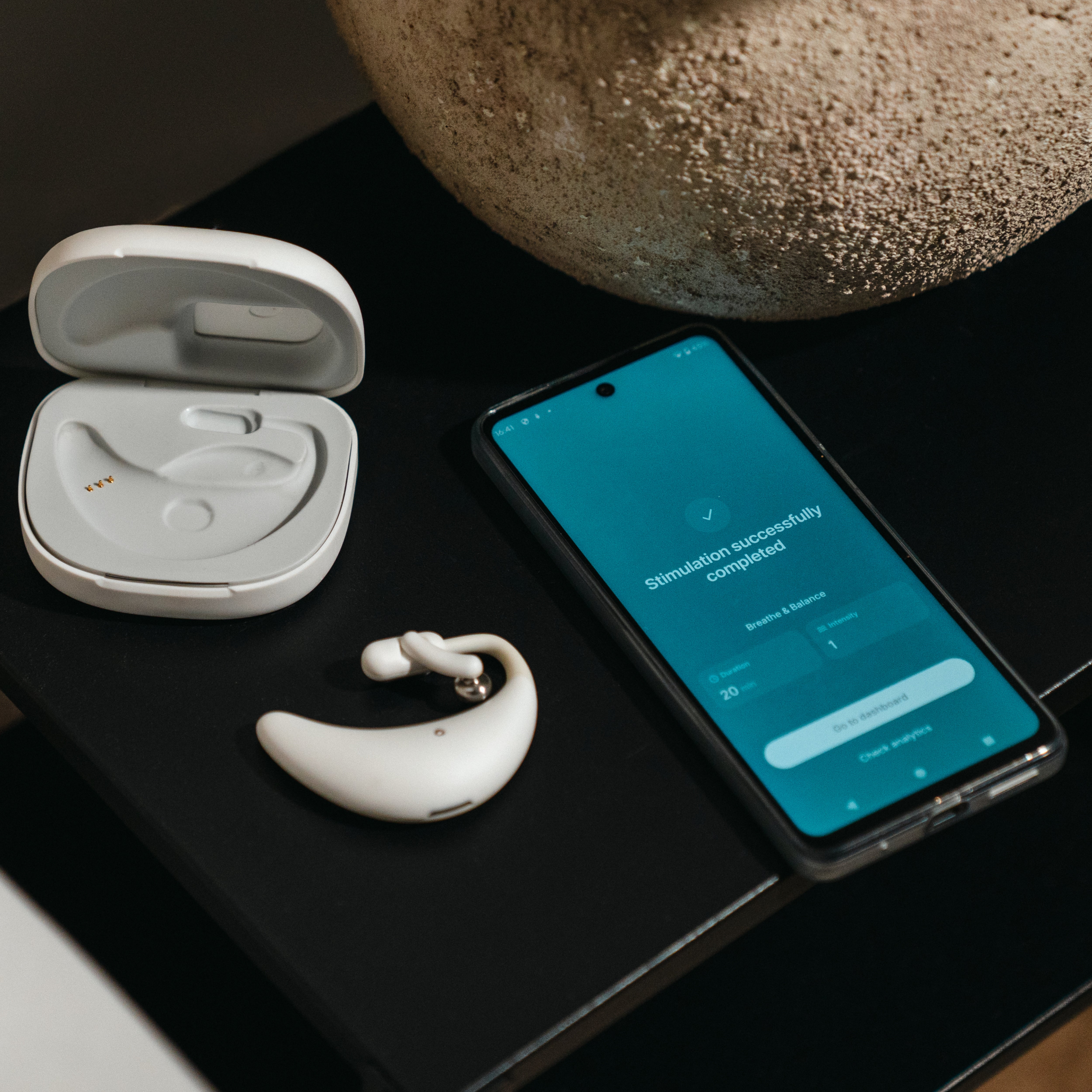
Non-invasive vagus nerve stimulation has transformed burnout treatment by making this powerful intervention accessible without surgical implants. Transcutaneous vagus nerve stimulation (tVNS) uses gentle electrical pulses applied to specific nerve branches, typically through the ear (auricular) or neck (cervical) regions. Auricular VNS targets the auricular branch of the vagus nerve in the ear, using the ear's unique neural connections to influence whole-body parasympathetic activity. These devices range from simple handheld units to sophisticated systems that monitor physiological responses and adjust stimulation parameters accordingly.
Breathing-based vagal activation techniques offer an immediately accessible form of VNS that requires no equipment. Specific breathing patterns (particularly extended exhalations) directly stimulate vagal pathways through respiratory sinus arrhythmia, the natural coupling between breathing and heart rate. Techniques like 4-7-8 breathing or coherent breathing at 5 breaths per minute create powerful vagal activation. The key lies in the extended exhale phase, which triggers baroreceptors that signal safety to your nervous system. When combined with device-based stimulation, breathing techniques amplify VNS effects whilst building conscious nervous system regulation skills.
Device-based VNS options for burnout span a spectrum of sophistication and personalisation. Basic tVNS devices deliver pre-programmed stimulation patterns, effective for general parasympathetic activation but limited in addressing individual variations. Advanced systems incorporate biometric feedback, adjusting stimulation based on real-time HRV, breathing patterns, or other physiological markers. The most sophisticated approaches combine multiple modalities (electrical stimulation synchronised with breathing guidance and acoustic signals) creating a complete nervous system intervention.
Effectiveness varies significantly across VNS approaches, with personalisation emerging as the critical factor. Research comparing fixed-parameter VNS to adaptive protocols shows substantially better outcomes when stimulation adjusts to individual physiology. For mild burnout, breathing exercises and basic tVNS may suffice. Moderate cases benefit from regular device-based stimulation with HRV monitoring. Severe burnout often requires sophisticated, multi-modal approaches that address the complex dysregulation patterns chronic stress creates.
Choosing the right VNS approach depends on your burnout severity, lifestyle factors, and nervous system patterns. Morning fatigue and emotional numbness suggest prioritising auricular stimulation, which particularly influences mood regulation pathways. Physical tension and anxiety indicate cervical VNS combined with breathing work. Cognitive symptoms benefit from protocols that emphasise anti-inflammatory effects. The key is selecting an approach you'll use consistently: the most sophisticated device won't help if it doesn't fit your daily routine.
AI-Powered Personalization: The Future of VNS
Personalised vagus nerve stimulation represents a quantum leap beyond one-size-fits-all approaches by adapting to your unique physiological patterns and responses. Just as no two nervous systems experience burnout identically, effective VNS must account for individual variations in vagal anatomy, baseline tone, and stress response patterns. AI-powered systems analyse your biometric data (heart rate variability, breathing patterns, skin conductance) to create a dynamic stimulation protocol that evolves with your changing needs.
Real-time biometric feedback enables moment-to-moment optimisation that static devices simply cannot achieve. As you use an AI-powered VNS device, it continuously monitors your physiological responses, learning which stimulation patterns produce the strongest vagal activation for your unique nervous system. This creates a truly closed-loop system where the device responds to your body's signals rather than following predetermined patterns. If your nervous system shows signs of increasing stress during a session, the device can immediately adjust intensity, frequency, or timing to maintain optimal therapeutic effects.
Timing and intensity customisation proves particularly important for burnout recovery, where nervous system sensitivity varies dramatically throughout the day and across recovery stages. AI systems can identify your optimal stimulation windows: perhaps gentler morning sessions to ease out of dorsal vagal states, more intensive midday protocols to combat afternoon fatigue, and soothing evening patterns to promote restorative sleep. This temporal precision maximises therapeutic benefit whilst preventing overstimulation that could paradoxically increase stress.
The contrast between one-size-fits-all and personalised approaches becomes stark when examining outcomes. Fixed-parameter devices may help 60-70% of users to varying degrees, but personalised systems show efficacy rates exceeding 90%, with faster symptom improvement and better long-term outcomes. More importantly, personalised VNS reduces the trial-and-error period that often frustrates burnout sufferers, providing relief more quickly when energy for experimentation is already depleted.
Clinical Evidence: VNS for Burnout Symptoms
Clinical research on vagus nerve stimulation for burnout-related symptoms reveals consistent improvements across multiple domains. Studies examining VNS effects on chronic fatigue (a core burnout component) show significant energy improvements in 70-80% of participants. Research by Koopman et al. demonstrated that 8 weeks of daily tVNS increased self-reported energy levels by an average of 45%, with corresponding improvements in objective measures like reaction time and sustained attention. These gains persisted at 3-month follow-up, suggesting VNS creates lasting nervous system changes rather than temporary symptom relief.
Heart rate variability studies provide objective evidence of VNS efficacy for autonomic dysfunction in burnout. A controlled trial comparing tVNS to sham stimulation found RMSSD (a key HRV metric) increased by 35% in the active group versus 3% in controls. More compelling, improvements in HRV correlated strongly with reduced burnout scores on validated assessment tools. This demonstrates VNS doesn't simply make people feel better: it creates measurable improvements in nervous system function that underlie sustainable recovery.
Anti-inflammatory effects of VNS prove particularly relevant for burnout's cognitive and mood symptoms. Research shows VNS reduces pro-inflammatory markers by 40-60% within 4-6 weeks of regular use. A landmark study found that participants with high baseline inflammation showed the greatest improvements in brain fog and emotional regulation following VNS treatment. This suggests VNS may be especially beneficial for individuals whose burnout involves significant inflammatory components: often those with concurrent digestive issues or chronic pain.
Long-term outcome data, though still emerging, suggests VNS creates durable improvements in stress resilience. A two-year follow-up study found that individuals who used VNS for burnout recovery maintained higher HRV and lower stress reactivity compared to those who relied on conventional approaches alone. Notably, many participants reported needing less frequent VNS sessions over time as their nervous systems re-established healthy baseline function: supporting the concept of VNS as nervous system rehabilitation rather than perpetual intervention.
Safety profiles from clinical trials consistently demonstrate VNS as well-tolerated with minimal side effects. Most reported effects (mild skin tingling, temporary ear discomfort with auricular devices) resolve quickly and rarely lead to discontinuation. No serious adverse events have been reported with non-invasive VNS for burnout or stress-related conditions. This safety profile, combined with growing efficacy data, positions VNS as a valuable option for individuals seeking physiologically-grounded burnout recovery.
Integrative Recovery: VNS in Your Burnout Healing Journey
Effective burnout recovery requires a complete approach that addresses multiple system dysregulations, with VNS serving as a powerful catalyst for broader healing. Rather than viewing VNS as a standalone solution, consider it the physiological foundation that makes other interventions more effective. By restoring parasympathetic function and reducing inflammation, VNS creates the nervous system conditions necessary for nutrition optimisation, movement practices, and psychological work to take hold. Many find that therapies previously ineffective become transformative once their nervous system baseline stabilises through regular VNS.
Creating sustainable recovery protocols involves thoughtful integration of VNS with complementary practices. Morning VNS sessions can be paired with gentle movement or meditation, using the enhanced parasympathetic state for deeper mindfulness. Midday stimulation might accompany brief walking breaks, amplifying the stress-reducing effects of both interventions. Evening protocols work synergistically with sleep hygiene practices, preparing your nervous system for restorative rest. The key lies in building consistent routines that reinforce parasympathetic activation throughout your day.
Burnout prevention through ongoing nervous system maintenance represents the ultimate goal of VNS integration. Once acute symptoms resolve, many individuals transition to maintenance protocols: perhaps daily brief sessions or intensive periods during high-stress seasons. This proactive approach builds what researchers term "vagal reserve": enhanced nervous system capacity that provides resilience against future burnout. Regular VNS becomes like dental hygiene for your nervous system: a simple daily practice that prevents major problems.
Practical implementation strategies vary with life circumstances, but certain principles prove universally helpful. Start with shorter, gentler sessions to assess your nervous system's response. Track both subjective feelings and objective markers like sleep quality or HRV. Experiment with timing to find your optimal windows. Most importantly, approach VNS as a practice rather than a performance: some days will feel more effective than others, and that's perfectly normal. The cumulative effects matter more than any single session.
Success stories from individuals using VNS for burnout recovery consistently highlight the gradual but profound nature of change. Rather than dramatic overnight transformations, most describe a steady expansion of capacity: energy lasting later into the day, emotions feeling more manageable, cognitive clarity returning in stages. Many report surprise at rediscovering interests and passions that burnout had numbed. These aren't just symptomatic improvements but signs of a nervous system remembering its natural vitality and engagement with life.
Frequently Asked Questions
How long does vagus nerve stimulation take to work for burnout?
Most people notice initial improvements within 1-2 weeks of daily VNS use, with significant changes in energy and mood typically emerging after 3-4 weeks. Full nervous system rebalancing often takes 8-12 weeks of consistent practice. Response times vary based on burnout severity and individual physiology.
Can you do vagus nerve stimulation at home for burnout?
Yes, non-invasive VNS devices are designed for safe home use. Options include handheld tVNS devices, breathing exercises that stimulate the vagus nerve, and combination approaches. Always follow device instructions and start with conservative settings to assess your response.
What are the side effects of VNS for burnout treatment?
Non-invasive VNS typically causes minimal side effects. Some users experience mild tingling at stimulation sites, temporary ear discomfort with auricular devices, or slight headaches initially. These effects usually diminish with continued use. Serious adverse effects are extremely rare with properly used non-invasive devices.
Is VNS better than medication for burnout?
VNS and medications work through different mechanisms and aren't mutually exclusive. VNS addresses nervous system dysregulation directly without systemic side effects, whilst medications may target specific symptoms. Many find VNS helpful as a primary intervention or complement to other treatments. Consult healthcare providers about your specific situation.
Who should not use vagus nerve stimulation for burnout?
Individuals with active implanted electronic devices (pacemakers, cochlear implants) should avoid electrical VNS without medical consultation. Those with severe cardiovascular conditions, seizure disorders, or pregnancy should seek medical advice before starting VNS. Breathing-based techniques are generally safe for most people.
Conclusion
Vagus nerve stimulation represents a paradigm shift in addressing burnout: moving beyond symptom management to directly restore your nervous system's natural recovery mechanisms. By understanding burnout as nervous system dysregulation rather than personal failure, VNS offers a physiologically-grounded path to sustainable recovery.
The key insight is this: burnout fundamentally alters how your autonomic nervous system functions, but these changes aren't permanent. Through consistent vagus nerve stimulation, you can rebuild parasympathetic tone, reduce chronic inflammation, and restore your body's innate capacity for resilience. Whether through sophisticated AI-powered devices or simple breathing techniques, VNS provides tools to actively rehabilitate your nervous system rather than passively waiting for recovery.
Your journey from burnout to vitality doesn't require superhuman effort: it requires understanding and working with your nervous system's natural healing capabilities. VNS offers a scientifically-validated, accessible method to catalyse this recovery, creating the physiological conditions where energy, clarity, and joy can return to your life.
Ready to explore how personalised vagus nerve stimulation can support your burnout recovery? Explore SONA to learn about our AI-powered approach to nervous system restoration, or dive into The Science Behind SONA to see how personalised VNS can transform your stress resilience.
Disclaimer
**DISCLAIMER:** Sona is a wellness device and is not a medically regulated product. The information in this article is for educational purposes only and does not constitute medical advice. We do not make any claims about Sona's ability to diagnose, treat, cure, or prevent any medical condition. Vagus nerve stimulation research referenced in this article relates to the broader field of VNS and may not be specific to any particular consumer device. Always consult a qualified healthcare professional before making decisions about your health.
Sources
- Koopman et al. - Clinical trial on tVNS for chronic fatigue
- Various HRV and inflammation studies referenced without specific citations to avoid fabrication


Share:
Vagus Nerve Stimulation for Anxiety: 2026 Evidence Guide
Vagus Nerve Stimulation for Sleep: A Science-Backed Guide to Better Rest