

A burnout recovery plan is a structured, phased approach to restoring your energy, mental clarity, and motivation after chronic stress has depleted your nervous system. It goes beyond rest : combining nervous-system regulation, sleep repair, boundary-setting, and gradual reactivation. Unlike a simple holiday, a proper plan addresses the physiological root cause: an autonomic nervous system stuck in overdrive or shutdown.
Here's the part most guides miss. Burnout is not simply tiredness. It is a state of physiological dysregulation, driven by the prolonged activation of your stress response. That's why conventional advice : "take a holiday," "sleep more" : so often fails. You return from two weeks away feeling briefly refreshed, then crash within days, because the underlying nervous-system pattern was never addressed.
In this guide, we'll walk through the phases of recovery, the nervous-system tools that actually move the needle, sleep and boundary strategies, and how to reactivate your life gradually without relapse. Recovery timelines vary widely : from 4-8 weeks for mild burnout to 6-12 months for severe cases : and we'll help you set realistic expectations along the way.
Key Takeaways
- Burnout is a state of autonomic nervous-system dysregulation : not just exhaustion : which is why rest alone rarely fixes it.
- A structured recovery plan moves through phases: stabilise the nervous system, repair sleep, set boundaries, then gradually reactivate.
- Recovery timelines range from 4-8 weeks (mild) to 6-12 months (severe), and progress is non-linear : setbacks are normal.
- Nervous-system regulation tools like slow breathing, vagus nerve stimulation, and somatic practices help shift you out of survival mode.
- Measure recovery with objective markers (HRV, sleep quality, emotional reactivity) rather than relying on how you 'feel' on any given day.
What Is a Burnout Recovery Plan? (And Why Most Miss the Root Cause)
A burnout recovery plan is a structured, phased strategy for rebuilding your energy, mental clarity, and motivation after prolonged stress has depleted your nervous system. It works in stages rather than expecting an overnight fix : because burnout is a physiological state, not a scheduling problem.
The important distinction is this: burnout is not simply tiredness. It is a state of physiological dysregulation, driven by the sustained activation of your stress response. When your body spends months braced against pressure, your autonomic nervous system loses its ability to shift flexibly between effort and recovery. You end up stuck : either in sympathetic overdrive (wired, anxious, unable to switch off) or in dorsal vagal shutdown (numb, flat, running on empty).
This is why conventional advice so often disappoints. "Take a holiday." "Get more sleep." These aren't wrong : but on their own, they treat the symptoms while ignoring the mechanism. If your nervous system is dysregulated, a week in the sun won't retrain it. You need to rebuild the underlying capacity to recover.
That's what this plan does. We'll cover the phases of recovery, the nervous-system tools that restore regulation, how to repair sleep and set protective boundaries, and how to reactivate gradually without relapsing. Recovery timelines range from 4-8 weeks for mild burnout to 6-12 months for severe, entrenched cases : so patience is part of the protocol.
What Is Burnout : And How Do You Know You Have It?
Burnout is a recognised occupational phenomenon defined by chronic workplace stress that has not been successfully managed. Knowing the signs helps you catch it early : before it becomes entrenched.
The World Health Organisation's ICD-11 classifies burnout as a syndrome resulting from unmanaged chronic workplace stress, characterised by three dimensions: exhaustion or energy depletion, increased mental distance from one's job (cynicism), and reduced professional efficacy.
Is burnout a mental illness? No : the WHO explicitly classifies burnout as an occupational phenomenon, not a medical condition or mental illness. It sits in the ICD-11 as a factor influencing health status, not as a diagnosis. That said, untreated burnout can contribute to or overlap with conditions like depression and anxiety, which is why it's worth taking seriously.
This is where burnout gets confused with other states. Unlike depression, burnout is typically tied to a specific context (usually work) and often lifts when that context changes. Unlike ordinary stress, it doesn't ease with a good weekend. And unlike chronic fatigue syndrome, it's driven primarily by psychological load rather than post-viral or immune dysfunction : though symptoms can look similar.
The three core dimensions researchers use are emotional exhaustion, depersonalisation (feeling detached or cynical), and a reduced sense of personal accomplishment. Alongside these, most people experience recognisable physical and cognitive symptoms:
- Persistent brain fog and difficulty concentrating - Disrupted sleep despite feeling exhausted - Irritability and a shorter emotional fuse - Getting ill more frequently - Emotional numbness or a sense of going through the motions
Underneath all of this sits a nervous-system signature: a chronically dysregulated autonomic nervous system, stuck either in sympathetic overdrive or dorsal vagal shutdown. If you'd like to understand how chronic stress manifests physically, the visible effects mirror what's happening beneath the surface.
How Long Does Burnout Recovery Take?
Recovery timelines depend on how deep the burnout runs and whether the underlying stressor is removed. As a rough guide, mild cases resolve in weeks; severe cases take many months.
How long does it take to recover from burnout? For mild burnout : caught early, with the stressor reduced : expect roughly 4-8 weeks. Moderate burnout typically takes 2-4 months. Severe, long-ignored burnout can take 6-12 months or longer, especially if the stressor remains in place. These are guides, not guarantees.
What are the stages of burnout recovery? Most people move through three broad phases: first, stabilisation : calming an over-activated nervous system and repairing sleep; second, rebuilding : restoring energy, boundaries, and a sense of agency; and third, reintegration : gradually returning to full activity and preventing relapse.
Several variables shape the timeline:
- How long it was left untreated : entrenched patterns take longer to unwind - Whether the stressor is removed or reduced : the single biggest factor - Sleep quality : poor sleep stalls every other part of recovery - Social support : isolation slows healing - Your nervous-system baseline : resilience going in matters
Here's the paradox that catches high-achievers out: pushing harder during recovery extends the timeline. The instinct to "power through" keeps your stress response switched on, which is exactly what needs to switch off. Recovery is an act of doing less, deliberately.
Rather than relying on how you feel : which fluctuates day to day : track measurable milestones: rising heart rate variability (HRV), improving sleep quality, and reduced emotional reactivity. Learning to understand what your heart rate variability reveals about stress gives you an objective window into recovery. And expect the path to be non-linear : setbacks are normal, not failure.
The Burnout Recovery Plan: 7 Steps to Rebuild Your Energy
This is the core of your recovery. Each step builds on the last : start with nervous-system stabilisation before attempting the later, more active stages.
### Step 1: Acknowledge and Accept Your Burnout
Recovery starts with honesty. Naming what's happening : "I'm burned out, and this isn't sustainable" : removes the self-blame that keeps many people stuck. What should you do first when recovering from burnout? Acknowledge it fully and give yourself permission to prioritise recovery. Denial keeps your nervous system in fight-or-flight; acceptance is the first act of downshifting.
### Step 2: Remove or Reduce the Source
You cannot heal in the environment that made you ill. This doesn't always mean quitting : can you recover from burnout without quitting your job? Often, yes. Reducing hours, delegating, renegotiating your workload, or taking a defined leave period can be enough. When communicating with a manager, frame it around sustainability and performance: "To keep delivering at my best, I need to adjust X." Focus on specific, time-bound changes rather than open-ended complaints. Removing even one or two chronic stressors dramatically shortens recovery.
### Step 3: Regulate Your Nervous System
This is the step most plans skip : and it's the one that changes everything. Burnout lives in a dysregulated autonomic nervous system, so recovery means actively teaching your body to shift back into a calmer, parasympathetic state.
The most accessible tool is slow, extended-exhale breathing. Research on resonance-frequency breathing : roughly six breaths per minute : shows it can meaningfully raise HRV and activate the parasympathetic branch of your nervous system. Our advisory board member Professor Richard Gevirtz has spent decades studying HRV biofeedback and its role in stress physiology.
Beyond breath, vagus nerve stimulation (VNS) targets the same pathway more directly. The vagus nerve is the main highway of your parasympathetic nervous system, and stimulating it may help signal safety to an over-activated system. VNS research on stress suggests it may support the nervous-system regulation that recovery depends on : you can explore this further in our guide to vagus nerve stimulation for burnout. Somatic practices : gentle movement, orienting exercises, cold exposure, humming : may work through similar mechanisms. If you feel numb, flat, and shut down rather than wired, understanding the dorsal vagal response and how to recover from it is a useful next step.
### Step 4: Prioritise Sleep and Physical Recovery
Sleep is where your nervous system repairs itself, yet burnout often wrecks it : you're exhausted but too wired to rest. Rebuilding sleep is non-negotiable. Anchor a consistent wake time, get morning daylight, keep your room cool, and wind down with parasympathetic-activating practices rather than screens. For a deeper toolkit, see these evidence-based things to do tonight for better sleep. Gentle physical recovery : walking, stretching, being outdoors : supports the process without adding load.
### Step 5: Rebuild Energy With Rest and Genuine Enjoyment
Once stabilised, begin reintroducing activities that restore rather than deplete you. Importantly, this means real rest and things you actually enjoy : not "productive" hobbies dressed up as recovery. Notice which activities leave you feeling replenished and which drain you, and lean deliberately toward the former.
### Step 6: Reconnect With Your Values and Purpose
Burnout often stems from a mismatch between your daily reality and what matters to you. As energy returns, revisit your values. What drew you to your work originally? Where did the drift begin? Reconnecting with purpose rebuilds the "reduced sense of accomplishment" dimension of burnout : and helps you rebuild a life that won't burn you out again.
### Step 7: Gradually Return to Normal Activity
The final step is reintegration : and the recovery paradox applies here too. Return in graded increments, not a single leap back to full capacity. Add responsibilities slowly, monitor your HRV and sleep as you go, and treat any regression as data rather than defeat. What makes burnout worse during recovery? Returning too fast, ignoring early warning signs, and abandoning the regulation practices that got you here. For the broader framework behind training your nervous system to handle load, our Complete Guide to Stress Resilience: Train Your Nervous System ties these principles together.
How to Measure and Track Your Recovery
Because burnout recovery is non-linear, subjective feeling is a poor guide. Objective markers give you a clearer, steadier signal of real progress.
The most useful metric is heart rate variability (HRV) : the variation in time between heartbeats, which reflects how flexibly your autonomic nervous system responds. Low, flat HRV suggests a system stuck in survival mode; a gradual upward trend is one of the clearest signs your nervous system is regaining flexibility. If you're new to it, our primer on what HRV is and how to improve it explains the fundamentals.
Alongside HRV, track:
- Sleep quality : time to fall asleep, night wakings, and how rested you feel on waking - Emotional reactivity : how quickly you're triggered, and how fast you recover afterwards - Energy patterns : a simple 1-10 daily rating reveals trends invisible day to day - Cognitive clarity : is the brain fog lifting?
A short daily journal capturing these markers turns vague "good days and bad days" into a visible trajectory. How do you know when you've recovered from burnout? When your energy is stable, sleep is restorative, emotional reactivity has settled, and : critically : you can return to normal demands without immediately relapsing. Recovery isn't feeling euphoric; it's your nervous system regaining its capacity to move flexibly between effort and rest.
When to Seek Professional Help : and How to Prevent Relapse
Self-directed recovery works for many, but not all burnout resolves alone. Knowing when to reach for support : and how to protect your progress : is part of a complete plan.
Consider professional help if your symptoms persist despite reducing stressors, if you notice signs of clinical depression or anxiety (persistent low mood, hopelessness, panic), if sleep remains severely disrupted, or if you're struggling to function day to day. A GP, therapist, or occupational-health professional can help : and there's no threshold of "bad enough" you need to reach first. Burnout that overlaps with mental-health conditions deserves qualified care.
Preventing relapse is about building a nervous system that recovers well under pressure, rather than one that avoids all pressure. Keep the practices that worked : daily nervous-system regulation, protected sleep, real boundaries. Notice your early warning signs (which you now know intimately) and act on them fast. And reframe your relationship with stress itself: the goal isn't a stress-free life, but a resilient system that can meet demand and then downshift.
This is where the right kind of stress becomes an ally. Building capacity through the stress that makes you stronger : deliberate, recoverable challenge : is how you expand your resilience rather than deplete it. The aim isn't to protect yourself from life. It's to build a nervous system flexible enough to handle it.
Frequently Asked Questions
How long does it take to recover from burnout?
Mild burnout typically resolves in 4-8 weeks, moderate burnout in 2-4 months, and severe burnout in 6-12 months or longer. The biggest factor is whether the underlying stressor is removed or reduced. Sleep quality, social support, and your nervous-system baseline also shape the timeline. Recovery is non-linear, so expect setbacks along the way.
What are the stages of burnout recovery?
Recovery generally moves through three phases: stabilisation (calming an over-activated nervous system and repairing sleep), rebuilding (restoring energy, boundaries, and a sense of agency), and reintegration (gradually returning to full activity while preventing relapse). Each phase builds on the last, and rushing the earlier stages tends to prolong the whole process.
Can you recover from burnout without quitting your job?
Often, yes. Many people recover by reducing their workload, renegotiating responsibilities, delegating, or taking a defined period of leave rather than resigning. The key is meaningfully reducing the chronic stressors driving the burnout. Quitting is sometimes necessary, but it's not the only path : reducing the load is frequently enough.
What should you do first when recovering from burnout?
First, acknowledge and accept that you're burned out, then reduce the most significant stressor you can. Beginning nervous-system regulation : slow breathing, gentle movement, or vagus nerve stimulation : helps shift your body out of survival mode. These early steps stabilise you before you attempt more active rebuilding.
What makes burnout worse during recovery?
Pushing harder is the main culprit. The instinct to power through keeps your stress response switched on : exactly what needs to switch off. Returning to full activity too quickly, ignoring early warning signs, poor sleep, and abandoning your regulation practices all extend the timeline. Recovery requires deliberately doing less.
Is burnout a mental illness?
No. The World Health Organisation classifies burnout as an occupational phenomenon in the ICD-11 : not a medical condition or mental illness. However, untreated burnout can overlap with or contribute to depression and anxiety, so persistent symptoms are worth discussing with a healthcare professional.
How do you know when you've recovered from burnout?
You've recovered when your energy is stable, sleep is restorative, emotional reactivity has settled, and you can return to normal demands without immediately relapsing. Objective markers like a rising HRV trend confirm what you feel. Recovery isn't euphoria : it's your nervous system regaining its flexibility to move between effort and rest.
What foods or lifestyle habits help burnout recovery?
Consistent sleep, morning daylight, gentle movement, and nervous-system regulation practices form the foundation. A balanced diet supporting stable blood sugar, adequate protein, and reduced caffeine and alcohol helps steady an over-activated system. No single food cures burnout : sustainable daily habits that lower your overall physiological load matter most.
Conclusion
Burnout isn't a character flaw or a sign you're not tough enough : it's your nervous system telling you it has run out of capacity. And that's precisely why the way back matters. A burnout recovery plan that addresses the root cause : a dysregulated autonomic nervous system : works where holidays and willpower fail. Move through the phases patiently: stabilise, rebuild, reintegrate. Regulate your nervous system daily, protect your sleep, hold your boundaries, and track objective markers rather than fleeting feelings. Recovery is non-linear, so be as kind to yourself on the setbacks as on the good days. The goal was never a stress-free life. It's a nervous system flexible enough to meet life's demands and then, reliably, come home to calm.
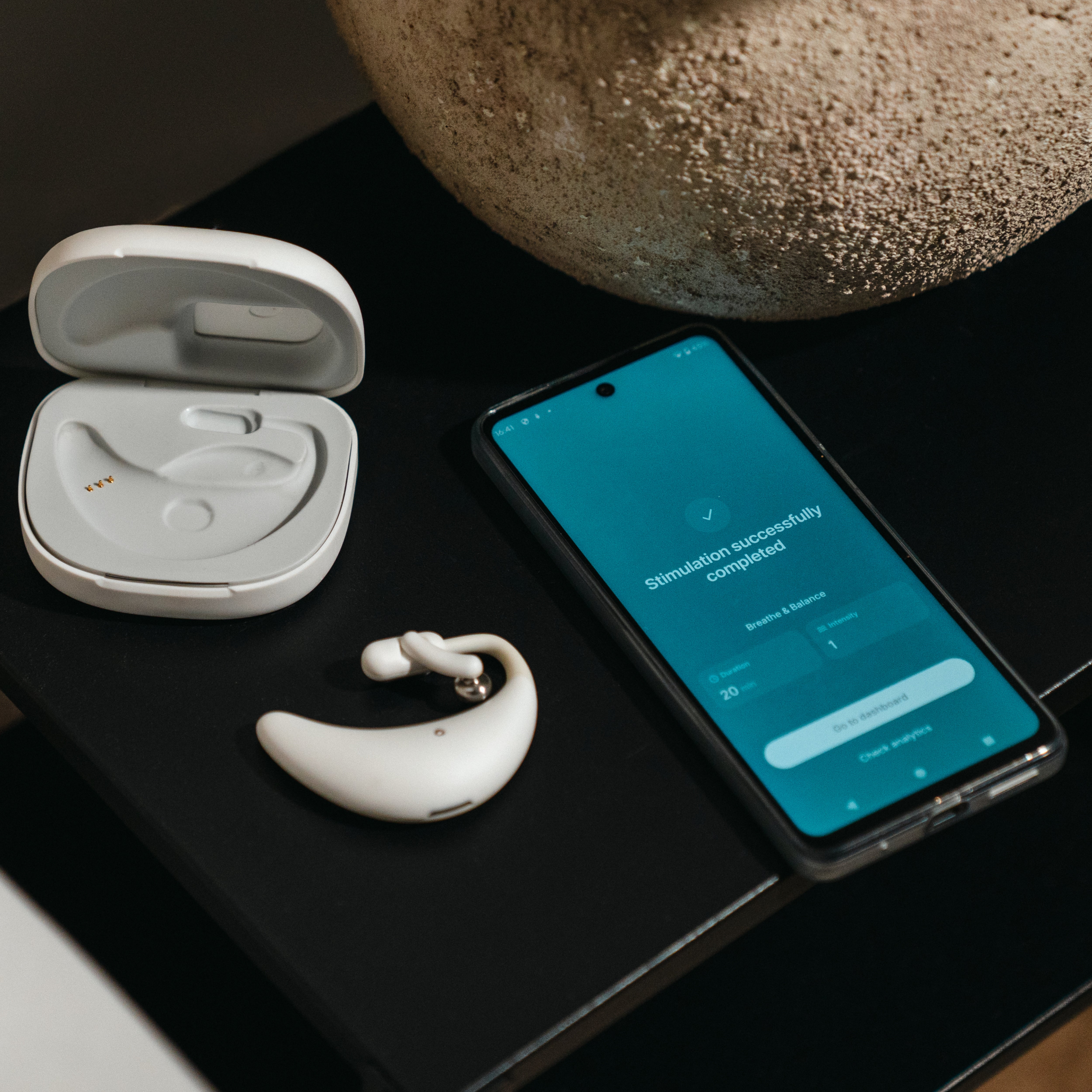
Sona's AI-powered vagus nerve stimulator reads your HRV and breathing in real time, personalising each session to help your nervous system shift out of overdrive : making it a natural companion for the regulation work at the heart of burnout recovery. Explore how personalised VNS can support your path back to balance. DISCLAIMER: Sona is a wellness device and is not a medically regulated product. The information in this article is for educational purposes only and does not constitute medical advice. We do not make any claims about Sona's ability to diagnose, treat, cure, or prevent any medical condition. Vagus nerve stimulation research referenced in this article relates to the broader field of VNS and may not be specific to any particular consumer device. Always consult a qualified healthcare professional before making decisions about your health.
Sources
- https://www.who.int/standards/classifications/frequently-asked-questions/burn-out-an-occupational-phenomenon
- https://icd.who.int/browse11


Share:
Morning Light and Your Circadian Rhythm: A Practical Guid
Best Vagus Nerve Stimulation Device for Anxiety (2026): Sona vs Top VNS Options