

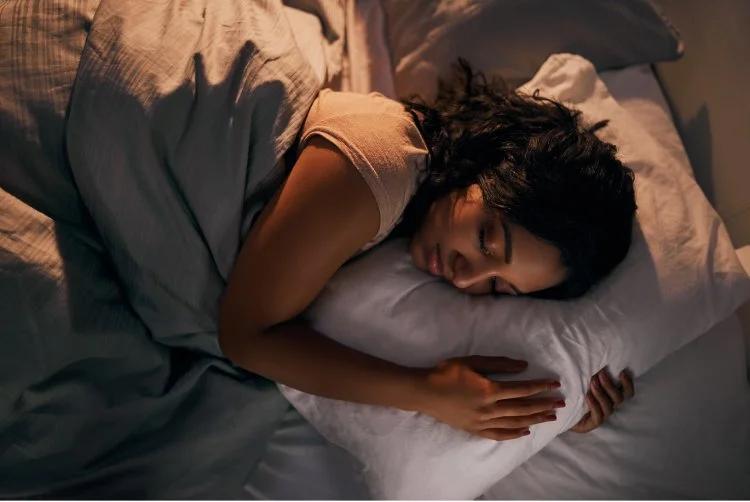
Improving your sleep tonight involves activating your parasympathetic nervous system through strategic environment optimisation, breathing techniques, and gentle nervous system regulation. The most effective approach combines temperature control (65-68°F), blue light elimination, 4-7-8 breathing, and a tech-free wind-down routine 30-60 minutes before bed. These evidence-based interventions work by shifting your body from stress response to rest-and-digest mode.
If you're reading this after another restless night, you're not alone. The connection between your nervous system's rest response and sleep quality runs deeper than most people realise. When your sympathetic nervous system remains activated - keeping you in a state of vigilance - your body simply cannot transition into the restorative sleep it desperately needs.
Here's the important point: tonight's actions determine tomorrow's rest quality. The interventions you implement in the next few hours can mean the difference between another night of tossing and turning or waking refreshed and restored. What follows are 10 evidence-based techniques that work by addressing the root cause of most sleep difficulties - an overactivated stress response system.
Key Takeaways
- Set your bedroom temperature to 65-68°F and eliminate all light sources for optimal sleep physiology
- Practice the 4-7-8 breathing technique to activate your vagus nerve and shift into parasympathetic dominance
- Implement a 60-90 minute screen-free wind-down period to support natural melatonin production
- Use gentle vagus nerve stimulation techniques like cold water face washing or humming to trigger your rest response
- Create a consistent pre-sleep routine that signals your nervous system it's safe to rest
Understanding Your Sleep-Wake System: The Nervous System Connection
Your autonomic nervous system controls the delicate dance between wakefulness and sleep. Understanding how vagus nerve stimulation works can help you harness this system more effectively. This sophisticated network operates below conscious awareness, constantly assessing your environment and determining whether it's safe to rest or necessary to remain vigilant.
The vagus nerve, your body's longest cranial nerve, plays a important role in activating rest-and-digest mode. When functioning optimally, strong vagal tone helps your body transition smoothly from the day's activities into restorative sleep. Think of it as your internal dimmer switch - gradually lowering your physiological arousal as bedtime approaches.
Why does stress block natural sleep onset? When your sympathetic nervous system remains activated, it's like trying to sleep with your body's alarm system still engaged. Your heart rate stays elevated, muscles remain tense, and stress hormones continue circulating - all signals that tell your brain danger might be present. Research on HRV and stress shows exactly how this dysregulation manifests in measurable ways.
The key insight is this: shifting from fight-flight to parasympathetic dominance isn't just helpful for sleep - it's essential. Without this transition, your body remains in a state of readiness that's fundamentally incompatible with deep, restorative rest. The techniques that follow work precisely because they facilitate this critical nervous system shift.
1. Create Your Sleep Sanctuary: Environment Optimisation
Temperature regulation profoundly impacts sleep quality. Set your bedroom temperature to 65-68°F (18-20°C) - this range supports your body's natural temperature drop during sleep onset. Research indicates that even slight deviations from this optimal range can disrupt sleep architecture and reduce time spent in deep sleep phases.
Light exposure remains one of the most overlooked sleep disruptors. Eliminate blue light sources completely - this means removing televisions, covering LED displays on electronics, and ensuring no light leaks from windows. Your pineal gland requires complete darkness to produce adequate melatonin, the hormone that orchestrates your sleep-wake cycle.
Remove all electronic devices and charging stations from your sleep space. Beyond the light they emit, these devices create electromagnetic fields that some research suggests may interfere with sleep quality. More importantly, their mere presence can trigger psychological arousal - that urge to check "just one more notification."
Blackout curtains or high-quality eye masks provide essential light control. Even minimal light exposure can suppress melatonin production by up to 50%, significantly impacting your ability to fall and stay asleep. Invest in room-darkening solutions that create cave-like darkness - your nervous system will recognise this as a powerful safety signal.
2. Master the 4-7-8 Breathing Technique
The 4-7-8 breathing technique, developed by Dr Andrew Weil, creates a natural tranquilliser for your nervous system. Here's the precise method: exhale completely, then inhale through your nose for 4 counts, hold your breath for 7 counts, and exhale through your mouth for 8 counts. This creates an exhale that's twice as long as your inhale - a powerful vagal activation pattern.
This technique activates vagal tone through several mechanisms. The extended exhale stimulates baroreceptors in your chest, sending signals through the vagus nerve that lower heart rate and blood pressure. The breath hold increases carbon dioxide levels slightly, which paradoxically calms your nervous system and enhances oxygen delivery to tissues.
The neuroscience behind exhale-dominant breathing reveals why this works so effectively for sleep. During exhalation, your vagus nerve fires more actively, directly countering sympathetic arousal. This respiratory-vagal coupling means you can literally breathe your way into a more parasympathetic state.
Common mistakes include forcing the breath or creating tension while holding. Practice this technique gently - if 7 counts feels too long initially, reduce to 4 or 5. Never push to the point of discomfort. Start with 4 cycles and gradually increase as your nervous system adapts. Many users report feeling noticeably calmer after just 2-3 rounds.
3. Implement Strategic Light Exposure
Eliminate all screens 60-90 minutes before your intended bedtime. This isn't simply about blue light - though that's certainly important. Screen use activates your brain's seeking system, maintaining the vigilant, alert state that's antithetical to sleep preparation.
Transition to warm, dim lighting for evening activities. Use lamps with amber bulbs or dimmer switches to create a sunset-like atmosphere in your home. This gradual light reduction mirrors natural day-night cycles, supporting your circadian rhythm's natural progression toward sleep.
If screen use is absolutely necessary, invest in high-quality blue light blocking glasses that filter out wavelengths between 380-500nm. However, remember that content stimulation matters as much as light exposure - checking work emails or scrolling social media maintains sympathetic activation regardless of blue light filtering.
Your circadian rhythm depends on contrast - bright light during the day, darkness at night. This light-dark cycle directly controls melatonin production, with light exposure after sunset capable of delaying melatonin release by several hours. Strategic light management can shift your entire sleep-wake cycle, making it easier to fall asleep when you want to.
4. Activate Your Vagus Nerve Through Gentle Stimulation
Cold water face washing activates the diving reflex, triggering an immediate vagal response. Splash cold water on your face for 15-30 seconds, focusing on the area around your eyes and temples. This is one of many proven vagus nerve exercises for stress relief. This ancient mammalian reflex slows heart rate and shifts your nervous system toward parasympathetic dominance.
Gentle humming or singing stimulates vagal pathways through the vibrations in your throat and chest. The vagus nerve innervates the muscles of the larynx, so creating these vibrations provides direct stimulation. Try humming at different pitches to find what feels most soothing - many people find lower tones particularly calming.
Light neck and shoulder massage targets areas rich in vagal nerve endings. Using gentle circular motions, massage the sides of your neck from behind your ears down to your collarbones. This not only stimulates the vagus nerve but also releases physical tension that can interfere with sleep onset.
These techniques work because they activate the same pathways that signal safety to your nervous system. When combined, they create a powerful cascade of parasympathetic activation that prepares your body for rest. Practice these in sequence as part of your wind-down routine for maximum effectiveness.
5. Progressive Muscle Release for Deep Relaxation
Progressive muscle relaxation systematically releases physical tension that keeps your nervous system activated. Starting with your toes, tense each muscle group for 5 seconds, then release completely for 15-20 seconds. Move systematically up your body - feet, calves, thighs, buttocks, abdomen, chest, arms, shoulders, neck, and face.
The contrast between tension and release teaches your nervous system the difference between activation and relaxation. This biofeedback mechanism helps recalibrate your baseline arousal level, making it easier to recognise and release unconscious muscle tension throughout the day.
As you practice, you'll notice that some areas hold more chronic tension - often the jaw, shoulders, or lower back. Spend extra time with these regions, perhaps doing 2-3 tension-release cycles. This targeted approach addresses the physical manifestations of stress that can persist even when you feel mentally ready for sleep.
Research shows this technique can reduce cortisol levels and increase heart rate variability - both markers of improved vagal tone. Learn more about how to improve HRV naturally. Regular practice enhances your body's ability to shift quickly from tension to relaxation, a skill that becomes increasingly automatic with repetition.
6. Optimize Your Evening Nutrition
Stop eating 2-3 hours before bedtime to prevent digestive processes from interfering with sleep onset. When your digestive system remains active, it diverts blood flow and nervous system resources away from sleep preparation. This timing allows your body to complete initial digestion before you lie down.
Herbal teas can powerfully support nervous system relaxation. Chamomile contains apigenin, which binds to brain receptors that promote sleepiness. Passionflower has been shown to increase GABA levels, your brain's primary inhibitory neurotransmitter. L-theanine, found in green tea (choose decaffeinated), promotes alpha brain waves associated with relaxation.
Avoid alcohol completely - while it might initially make you drowsy, alcohol severely disrupts sleep architecture. It suppresses REM sleep, fragments sleep cycles, and causes rebound sympathetic activation in the middle of the night. Even moderate consumption can reduce sleep quality by 40%.
If you feel hungry before bed, choose foods that support sleep: a small portion of complex carbohydrates with tryptophan-rich proteins. Think whole grain crackers with almond butter or a small bowl of oatmeal with walnuts. These combinations support serotonin and melatonin production without overloading your digestive system.
7. Establish a Technology Curfew
Power down all devices at least 60 minutes before bed - this means phones, tablets, computers, and televisions. The psychological stimulation from technology extends far beyond blue light exposure, maintaining the vigilant, seeking state that prevents nervous system downregulation.
Create a dedicated charging station outside your bedroom where all devices "sleep" overnight. This physical separation reduces the temptation to "just check one thing" and eliminates the anxiety of having constant connectivity within arm's reach. Your nervous system needs to know that rest time is truly rest time.
Replace technology with calming activities that signal wind-down time: light stretching, reading fiction (not self-improvement or work-related material), journaling, or listening to soft music. These activities should be genuinely relaxing - not another form of productivity or self-optimisation.
The benefits extend beyond better sleep. Research indicates that bedroom technology use correlates with increased anxiety, reduced sleep quality, and delayed sleep onset. By creating clear boundaries between technology use and sleep space, you're training your nervous system to associate your bedroom exclusively with rest and restoration.
8. Practice Bedtime Yoga or Gentle Movement
Gentle movement helps discharge the day's accumulated tension without creating additional arousal. Focus on restorative poses that support parasympathetic activation: child's pose, legs-up-the-wall, gentle spinal twists, and supported forward folds. Hold each position for 2-5 minutes, breathing deeply and allowing gravity to create the stretch.
These specific positions work through multiple mechanisms. Inversions like legs-up-the-wall activate baroreceptors that signal the vagus nerve to lower heart rate and blood pressure. Forward folds compress the abdomen, stimulating the vagus nerve through mechanical pressure. Twists massage internal organs and promote the rest-and-digest response.
Avoid vigorous vinyasa or power yoga in the evening - these practices activate your sympathetic nervous system, raising core body temperature and alertness. Save dynamic practices for morning or afternoon when you want to increase energy and focus.
End your practice with 5-10 minutes in savasana (corpse pose), using this time to practice body scanning or gentle breathing techniques. This transition from gentle movement to complete stillness mirrors the journey from wakefulness to sleep, training your nervous system to manage this shift smoothly.
9. Create a Consistent Wind-Down Ritual
Your nervous system thrives on predictability. Establish a 30-60 minute pre-sleep routine that you follow regardless of how tired you feel. This might include dimming lights, having herbal tea, gentle stretching, breathing exercises, and hygiene routines - performed in the same order each night.
Consistency sends powerful safety signals to your nervous system. When your body recognises these familiar patterns, it begins preparing for sleep automatically. This Pavlovian response means that simply starting your routine can trigger drowsiness, even on nights when you initially feel wired.
Personalise your ritual based on what genuinely soothes you. Some people find journaling helps clear mental chatter, while others prefer gentle music or nature sounds. The specific activities matter less than their regularity and their ability to help you transition from the day's demands.
Protect this ritual fiercely. Treat it as non-negotiable, even when life gets busy. Research shows that consistent bedtime routines can reduce sleep onset time by up to 50% and significantly improve sleep quality. Your nervous system learns to trust that rest is coming, allowing it to begin the downregulation process earlier and more completely.
10. Use Sound and Vibration for Nervous System Regulation
Specific sound frequencies can entrain your brainwaves toward sleep-promoting patterns. Binaural beats in the delta range (0.5-4 Hz) or theta range (4-8 Hz) help shift your brain from active beta waves to the slower frequencies associated with deep relaxation and sleep onset.
Nature sounds provide another powerful tool for nervous system regulation. Ocean waves, rainfall, or forest sounds mask disruptive environmental noise while providing rhythmic patterns that your nervous system finds inherently calming. These sounds often contain pink noise frequencies that have been shown to enhance deep sleep.
Consider incorporating gentle vibration through humming or chanting. The physical vibrations created in your chest and throat directly stimulate the vagus nerve while the rhythmic breathing required for sustained toning naturally extends your exhale. Even 5 minutes of gentle "Om" chanting can significantly shift your nervous system state.
When selecting sounds for sleep, avoid anything with sudden changes or jarring elements. Your nervous system remains partially vigilant during sleep, and unexpected sounds can trigger protective responses. Choose consistent, predictable soundscapes that create an auditory cocoon of safety.
Frequently Asked Questions
How can I fall asleep in 10 minutes or less?
To fall asleep quickly, combine the 4-7-8 breathing technique (4 rounds) with progressive muscle relaxation starting from your toes. Ensure your room is completely dark and at 65-68°F. Most importantly, avoid checking the time - clock-watching increases anxiety and prevents sleep onset. If these techniques don't work within 20 minutes, get up and do a quiet activity until you feel drowsy.
What should I do if I can't sleep at night?
If you can't sleep after 20-30 minutes, try some evidence-based sleep anxiety techniques, or leave your bedroom and engage in a calm activity like reading or gentle stretching in dim light. Avoid screens or anything stimulating. Return to bed only when you feel genuinely sleepy. This prevents your brain from associating your bed with wakefulness and frustration.
What is the 4-7-8 breathing technique for sleep?
The 4-7-8 technique involves exhaling completely, then inhaling through your nose for 4 counts, holding for 7 counts, and exhaling through your mouth for 8 counts. This creates an extended exhale that activates your vagus nerve and shifts your nervous system into rest mode. Start with 4 cycles and practice twice daily for best results.
What temperature is best for sleeping?
The optimal bedroom temperature for sleep is 65-68°F (18-20°C). This range supports your body's natural temperature drop during sleep onset and helps maintain deep sleep phases. Individual preferences may vary slightly, but temperatures above 75°F or below 60°F typically disrupt sleep quality.
Should I take melatonin for better sleep?
While melatonin can help with certain sleep issues, particularly jet lag or shift work, focus first on supporting your body's natural melatonin production through complete darkness and consistent sleep timing. If considering supplements, consult a healthcare provider as melatonin can interact with medications and isn't suitable for everyone.
Conclusion
Better sleep doesn't require a complete life overhaul - it starts with small, intentional changes to how you approach the hours before bed. The techniques we've explored work by addressing the root cause of most sleep difficulties: an overactivated nervous system that hasn't received clear signals that it's safe to rest.
The key insight is understanding that sleep isn't something you can force - it's something you allow by creating the right conditions. When you optimise your environment, practice nervous system regulation techniques, and establish consistent routines, you're not just improving tonight's sleep. You're retraining your body's fundamental rest-and-recovery patterns. For a comprehensive overview, see our guide to natural ways to improve sleep quality.
Start with just 2-3 techniques tonight. Perhaps begin with setting your bedroom temperature, implementing the 4-7-8 breathing technique, and creating a 60-minute technology curfew. As these become habitual, gradually add more interventions. Remember: consistency matters more than perfection.
Your nervous system is notably adaptive. With gentle, persistent practice, you can strengthen your vagal tone and enhance your body's natural ability to transition from wakefulness to restorative sleep. Curious how technology can help? See our guide to vagus nerve stimulation for sleep. The changes you implement tonight truly can transform how you feel tomorrow.
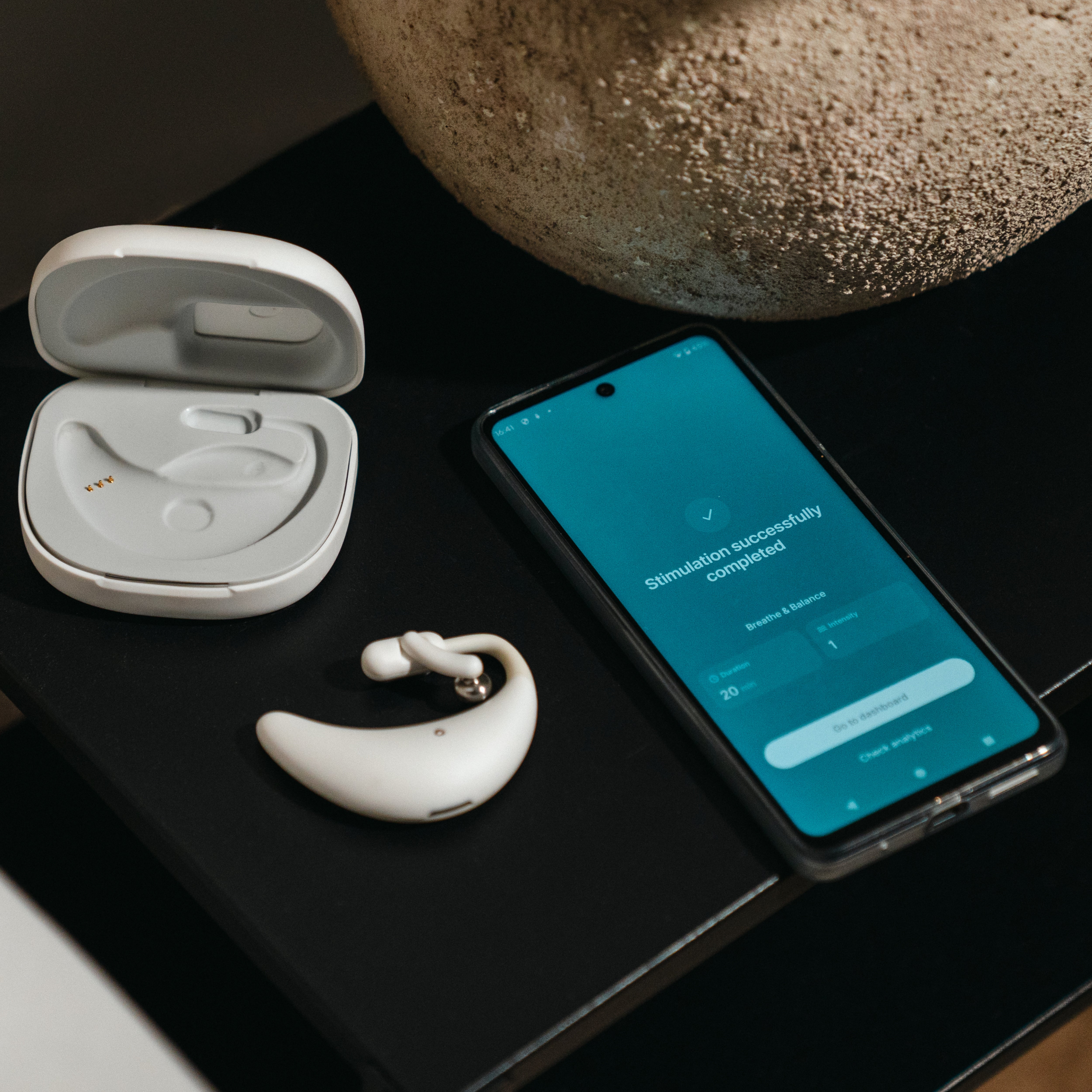
Ready to take your sleep quality to the next level? Explore how personalised vagus nerve stimulation with SONA can enhance your body's natural rest-and-recovery systems. The Sona device uses AI-driven biometric monitoring to deliver precisely timed stimulation that strengthens vagal tone and supports deeper, more restorative sleep patterns. Discover the science behind SONA's approach.
Disclaimer
**DISCLAIMER:** Sona is a wellness device and is not a medically regulated product. The information in this article is for educational purposes only and does not constitute medical advice. We do not make any claims about Sona's ability to diagnose, treat, cure, or prevent any medical condition. Vagus nerve stimulation research referenced in this article relates to the broader field of VNS and may not be specific to any particular consumer device. Always consult a qualified healthcare professional before making decisions about your health.



Share:
Build a Morning Routine That Sticks: A Neuroscience Approach
Best Sleep Apps Compared 2026: Meditation vs Vagus Nerve Stimulation