


9 Signs Your Poor Sleep Is Killing Your Productivity (And How to Fix It)
Poor sleep fundamentally undermines productivity by impairing the very cognitive functions that drive professional success. When you're sleep-deprived, your prefrontal cortex: responsible for executive functions like decision-making, planning, and emotional regulation: operates at a fraction of its capacity, leading to decreased focus, increased errors, and impaired creativity that can cost you hours of productive work each day.
The economic impact is staggering: sleep deprivation costs UK businesses £40 billion annually in lost productivity, whilst individual workers sacrifice an average of 11 days of productivity per year due to insufficient sleep. Yet many professionals dismiss poor sleep as an inevitable consequence of a demanding career, unaware that they're exhibiting clear warning signs of a problem that's sabotaging their performance.
This complete guide reveals the nine critical indicators that your sleep quality is undermining your professional effectiveness: from subtle cognitive shifts to obvious physical symptoms. More importantly, you'll discover evidence-based strategies to transform your sleep and reclaim your peak productivity, without sacrificing your ambitious goals.
Key Takeaways
- Poor sleep impairs prefrontal cortex function, reducing decision-making capacity by up to 50%
- Even one night of poor sleep can decrease cognitive performance equivalent to legal intoxication
- Chronic sleep deprivation compounds over time, creating 'sleep debt' that undermines long-term career success
- Optimising sleep quality through targeted interventions can improve productivity by 20-30%
- Vagal tone enhancement and nervous system regulation play important roles in sleep-productivity optimisation
The Science Behind Sleep and Productivity
Sleep isn't merely rest: it's an active process of neural restoration that directly determines your cognitive capacity. During deep sleep, your brain clears metabolic waste products, consolidates memories, and repairs neural pathways essential for peak performance. This sophisticated process involves multiple stages, each playing a unique role in maintaining your professional edge.
REM sleep facilitates creative problem-solving and emotional processing, whilst deep sleep phases enable memory consolidation and learning integration. Research by Walker and colleagues (2017) demonstrated that REM sleep specifically enhances innovative thinking by facilitating remote associations between disparate concepts: explaining why "sleeping on it" often yields breakthrough solutions.
The prefrontal cortex, your brain's executive control centre, shows particular vulnerability to sleep deprivation. This region governs critical professional skills: strategic planning, impulse control, working memory, and emotional regulation. Neuroimaging studies reveal that even modest sleep loss significantly reduces prefrontal cortex activity, creating a cascade of cognitive impairments.
Critically, sleep quality influences neuroplasticity: your brain's capacity to form new neural connections and adapt to challenges. Poor sleep disrupts the production of brain-derived neurotrophic factor (BDNF), limiting your ability to learn new skills and adapt to changing professional demands. This biological reality means that consistently poor sleep doesn't just affect today's performance: it constrains your future potential.
9 Warning Signs Your Sleep Is Sabotaging Your Work Performance
Recognising the signs of sleep-related productivity decline requires honest self-assessment. These indicators often develop gradually, making them easy to dismiss as normal stress or ageing. Here's what to watch for:
Sign 1: Difficulty Concentrating and Maintaining Focus Your attention drifts during meetings, you re-read emails multiple times without comprehension, and simple tasks feel mentally exhausting. This isn't laziness: it's your brain struggling to maintain vigilance without adequate rest. The locus coeruleus, responsible for sustained attention, requires proper sleep to function optimally.
Sign 2: Increased Errors and Poor Attention to Detail Typos multiply, calculations contain mistakes, and you miss obvious errors that normally wouldn't escape your notice. Sleep-deprived individuals show a 30% increase in workplace errors, with potentially serious consequences in precision-demanding roles.
Sign 3: Struggling with Creative Problem-Solving Solutions that once came naturally now feel forced or elusive. Your ability to think laterally diminishes, leaving you stuck in rigid thinking patterns. This creative drought stems from reduced REM sleep, which normally facilitates innovative connections.
Sign 4: Emotional Reactivity and Poor Interpersonal Skills You snap at colleagues, feel overwhelmed by minor setbacks, or struggle to read social cues accurately. Sleep deprivation amplifies amygdala activity whilst reducing prefrontal regulation, creating a perfect storm for workplace conflicts. If you find yourself lying awake worrying about these very consequences, our guide to sleep anxiety tools and techniques can help break that cycle.
Sign 5: Procrastination and Task Avoidance Tasks pile up as you struggle to initiate work, particularly on complex projects. This isn't a character flaw: sleep loss impairs the anterior cingulate cortex, which governs motivation and task initiation.
Sign 6: Reliance on Caffeine and Stimulants Your coffee consumption escalates from preference to necessity, with multiple cups required to achieve baseline alertness. This compensation strategy masks fatigue temporarily but disrupts sleep architecture, creating a vicious cycle.
Sign 7: Afternoon Energy Crashes The post-lunch slump becomes a productivity black hole, with cognitive function plummeting between 2-4pm. Whilst natural circadian dips occur, sleep debt amplifies these crashes dramatically.
Sign 8: Difficulty Learning New Information Training sessions feel overwhelming, new software seems impossibly complex, and retaining information requires excessive repetition. Sleep consolidates learning: without it, new knowledge fails to transition from short-term to long-term memory.
Sign 9: Reduced Motivation and Engagement Work that once energised you feels tedious, career goals seem less compelling, and you experience a pervasive sense of disconnection. This motivational decline reflects disrupted dopamine signalling caused by chronic sleep insufficiency.
Can One Bad Night Really Make a Difference?
The impact of a single poor night's sleep extends far beyond feeling tired. Research consistently demonstrates that one night of sleep loss creates measurable cognitive impairment equivalent to legal intoxication: a sobering reality for professionals making critical decisions.
Acute sleep deprivation (one night) differs fundamentally from chronic patterns. After one poor night, your reaction times slow by 50%, working memory capacity decreases by 38%, and decision-making accuracy drops significantly. However, your brain possesses notable resilience: these acute effects typically reverse after one to two nights of quality sleep.
The real danger lies in cumulative sleep debt. Each night of insufficient sleep adds to an accumulating deficit that compounds over time. Unlike financial debt, you cannot fully "repay" extensive sleep debt: the cognitive and health consequences persist even after catch-up sleep. Research indicates that recovering from one week of poor sleep requires at least three weeks of optimal rest.
Individual variation plays a important role: some people show greater resilience to sleep loss, whilst others experience profound impairment from modest deprivation. Genetic factors, age, overall health, and stress levels all influence your personal sleep sensitivity: making it essential to understand your unique response patterns.
The Long-Term Career Consequences of Chronic Sleep Deprivation
Chronic sleep deprivation creates invisible barriers to career advancement that compound over years. Leadership effectiveness particularly suffers: sleep-deprived executives show reduced emotional intelligence, impaired strategic thinking, and diminished ability to inspire teams. Your capacity for visionary thinking (essential for senior roles) requires the creative synthesis that only adequate REM sleep provides.
Networking and relationship building, cornerstones of career growth, deteriorate under sleep pressure. Poor sleep reduces your ability to read social dynamics accurately, remember names and details, and project the confidence that attracts opportunities. These subtle social impairments accumulate, gradually narrowing your professional network.
The compound effect extends to reputation management. Consistent underperformance, increased irritability, and reduced reliability slowly erode the professional capital you've built. Colleagues begin to view you as less dependable, less innovative, less capable: perceptions that prove difficult to reverse.
Industry-specific impacts vary dramatically. Remote workers face unique challenges maintaining boundaries between work and rest, often sacrificing sleep for perceived productivity gains. Healthcare professionals operating under chronic sleep debt show increased medical errors and reduced patient empathy. Executives making strategic decisions whilst sleep-deprived risk costly misjudgements that ripple throughout organisations.
The trajectory becomes self-reinforcing: poor performance increases stress, stress disrupts sleep further, creating a downward spiral that can derail even promising careers. Breaking this cycle requires recognising sleep as a non-negotiable foundation for sustained professional success.
How to Optimize Your Sleep for Peak Productivity
Transforming your sleep quality requires a systematic approach targeting both environmental factors and physiological regulation. These evidence-based strategies work synergistically to enhance both sleep depth and restorative value.
Sleep Hygiene Fundamentals for Busy Professionals: Consistency trumps duration: maintaining regular sleep-wake times trains your circadian rhythm for optimal performance. Even weekend variations disrupt this biological programming. Create a pre-sleep ritual that signals wind-down: dim lights 90 minutes before bed, engage in gentle stretching, or practice gratitude journaling. These rituals activate parasympathetic dominance, preparing your nervous system for rest.
Creating the Optimal Sleep Environment: Your bedroom should function as a sleep sanctuary. Temperature matters profoundly: aim for 16-19°C, as cooler environments facilitate the natural temperature drop that initiates sleep. Invest in blackout curtains or an eye mask; even minimal light exposure suppresses melatonin production. Consider white noise or nature sounds to mask disruptive environmental noise.
Managing Blue Light Exposure: Blue light suppresses melatonin production for up to three hours post-exposure. Beyond using blue light filters, consider amber-tinted glasses after sunset. More importantly, create a digital sunset: establishing a specific time when all screens power down. Replace evening screen time with analogue activities: reading physical books, gentle yoga, or contemplative practices.
Nutrition and Timing Strategies: Your last meal should conclude 3-4 hours before sleep, allowing digestion to complete. Avoid alcohol, which fragments sleep architecture despite initial sedation. Consider magnesium-rich foods (leafy greens, nuts, seeds) which support muscle relaxation and nervous system regulation. Tart cherry juice provides natural melatonin, whilst chamomile tea offers gentle sedative properties.
Stress Management and Nervous System Regulation: Chronic stress represents the primary sleep disruptor for high-achieving professionals. Vagal tone enhancement through specific breathing techniques, cold exposure, or targeted stimulation can shift your nervous system from sympathetic overdrive to parasympathetic calm. Natural ways to improve sleep often focus on this nervous system regulation.
The HRV-sleep connection deserves particular attention: higher heart rate variability correlates with deeper, more restorative sleep. Practices that enhance vagal tone (from resonance breathing to gentle vagus nerve stimulation) create the physiological conditions for quality sleep. This bi-directional relationship means improving sleep quality enhances HRV, which further improves sleep, creating a positive cycle.
Technology and Tools for Better Sleep
Modern technology offers sophisticated approaches to sleep optimisation, moving beyond simple tracking to active intervention. Understanding which tools provide genuine value versus digital distraction proves essential.
Sleep Tracking Insights: Wearable devices now measure sleep stages, movement, temperature, and HRV throughout the night. However, data without action creates anxiety rather than improvement. Focus on trends rather than nightly variations, using insights to identify patterns: Does alcohol affect your deep sleep? Do certain activities improve REM duration? Let data guide experimentation rather than becoming enslaved to metrics.
Biofeedback and Regulation Tools: Advanced biofeedback devices can train your nervous system for better sleep. HRV biofeedback teaches conscious control over autonomic function, whilst devices providing gentle vagal stimulation can shift nervous system states. These tools work by strengthening the parasympathetic response essential for quality sleep.
Environmental Optimisation Technology: Smart lighting systems that gradually dim and shift to warmer tones support natural melatonin production. Temperature-regulating mattress covers maintain optimal sleeping conditions throughout the night. White noise machines with adaptive technology mask environmental disruptions without creating dependency.
Meditation and Relaxation Apps: Guided meditations specifically designed for sleep can quiet racing thoughts. Look for apps offering yoga nidra, progressive muscle relaxation, or NSDR (non-sleep deep rest) protocols. These practices activate similar restorative pathways to sleep, providing benefits even when full sleep proves elusive.
The key lies in selecting tools that enhance rather than complicate your sleep routine. Technology should simplify the path to better rest, not create additional stress through excessive monitoring or complex protocols.
When Professional Productivity Demands Immediate Action
Sometimes professional demands clash directly with sleep needs: project deadlines, international travel, or crisis management can necessitate short-term sleep sacrifice. Managing these situations whilst minimising long-term damage requires strategic approaches.
Strategic Napping for Recovery: When night sleep suffers, strategic naps can maintain cognitive function. The optimal nap duration is 10-20 minutes: long enough for restorative benefits without entering deep sleep that creates grogginess. Time naps for early afternoon when natural alertness dips. Even brief meditation or NSDR practices provide similar restoration when actual sleep isn't possible.
Cognitive Load Management: During sleep-deprived periods, restructure your workday around cognitive demands. Schedule critical thinking tasks for your natural peak times (typically late morning for most), relegating routine tasks to low-energy periods. Batch similar activities to reduce task-switching costs, which amplify under sleep pressure.
Recovery Protocols: After intensive periods requiring sleep sacrifice, implement deliberate recovery. This isn't simply "catching up" on sleep: it requires nervous system restoration. Combine extended sleep opportunities with stress-reduction practices, gentle movement, and nutrient support. Consider this recovery period a professional investment rather than luxury.
Building Resilience: Long-term productivity requires building sleep resilience before crises arise. Regular exercise improves sleep quality and provides buffer against occasional deprivation. Maintaining strong vagal tone through consistent practice enhances your ability to recover from sleep disruption. Think of these practices as productivity insurance: investment that pays dividends during demanding periods.
Creating Your Personal Sleep-Productivity Protocol
Sustainable change requires personalised protocols that align with your unique physiology, career demands, and lifestyle constraints. This isn't about perfection: it's about progress and finding what works for your specific situation.
Assessment and Baseline: Begin by honestly assessing your current sleep-productivity relationship. Track not just sleep hours but quality indicators: morning alertness, afternoon energy, cognitive clarity, and emotional regulation. Note patterns linking sleep quality to next-day performance. This baseline provides essential data for measuring improvement.
Gradual Implementation: Resist overhauling everything simultaneously. Select one or two interventions that feel most achievable: perhaps consistent bedtime or reduced evening screen exposure. Master these before adding complexity. Small, consistent changes create lasting transformation more effectively than dramatic overhauls that prove unsustainable.
Customisation for Your Context: Your optimal protocol depends on numerous factors: chronotype (morning lark or night owl), work schedule, family obligations, and stress levels. Shift workers require different strategies than traditional schedule professionals. Parents face unique challenges requiring creative solutions. Remote workers must establish boundaries in spaces serving multiple functions.
Measuring Success: Define success beyond hours slept. Consider productivity metrics: task completion rates, creative output quality, interpersonal effectiveness, and sustained energy levels. Track both objective measures (work performance metrics) and subjective experience (mood, motivation, satisfaction). Let these broader indicators guide protocol refinement.
Continuous Optimisation: Your sleep needs evolve with age, stress levels, health status, and career demands. What works during stable periods may require adjustment during transitions. Build flexibility into your protocol, maintaining core practices whilst adapting details. Regular reassessment ensures your approach remains aligned with current needs.
The ultimate goal isn't perfect sleep: it's optimised performance through strategic rest. By treating sleep as a powerful productivity tool rather than time lost, you transform rest from career obstacle to competitive advantage.
Frequently Asked Questions
How many hours of sleep do I need to be productive?
Most adults require 7-9 hours of quality sleep for optimal productivity, though individual needs vary based on genetics, age, and lifestyle factors. Focus on how you feel and perform rather than hitting a specific number: some people thrive on 7 hours whilst others need closer to 9.
Can one bad night of sleep affect productivity?
Yes, even one night of poor sleep significantly impacts productivity. Research shows that sleeping less than 6 hours creates cognitive impairment equivalent to legal intoxication, reducing reaction times by 50% and decision-making accuracy by up to 30%.
What are the signs that poor sleep is affecting my work?
Key indicators include difficulty concentrating, increased errors, emotional reactivity, procrastination, excessive caffeine dependence, afternoon energy crashes, trouble learning new information, and reduced motivation. If you notice multiple signs persisting, your sleep quality likely needs attention.
How does sleep deprivation affect decision making?
Sleep deprivation impairs the prefrontal cortex, reducing your ability to evaluate options, consider consequences, and make rational choices. Risk assessment becomes skewed, emotional decisions increase, and you're more likely to choose short-term rewards over long-term benefits.
Can naps help improve productivity at work?
Strategic 10-20 minute naps can boost alertness and performance by 34% and reduce errors significantly. Time them for early afternoon (1-3pm) and keep them brief to avoid sleep inertia. Even short rest periods without actual sleep provide cognitive benefits.
What foods help improve sleep quality?
Magnesium-rich foods (leafy greens, nuts, pumpkin seeds), tart cherries (natural melatonin), complex carbohydrates (oats, sweet potatoes), and herbal teas (chamomile, passionflower) support better sleep. Avoid heavy meals, alcohol, and caffeine within 3-4 hours of bedtime.
How long does it take to recover from sleep deprivation?
Recovering from acute sleep loss (1-2 nights) typically requires 2-3 nights of quality sleep. However, chronic sleep debt accumulated over weeks or months can take several weeks of consistent, quality sleep to fully resolve, and some cognitive effects may persist longer.
Does blue light really affect sleep quality?
Yes, blue light suppresses melatonin production for up to 3 hours after exposure, delaying sleep onset and reducing sleep quality. Use blue light filters, dim screens after sunset, or wear amber-tinted glasses in the evening to minimise impact.
Conclusion
Poor sleep represents a silent productivity killer that compounds over time, undermining not just daily performance but long-term career trajectory. The nine warning signs we've explored (from cognitive fog to emotional volatility) signal a nervous system struggling to maintain professional effectiveness without adequate restoration.
The science is unequivocal: quality sleep isn't a luxury for high performers: it's the foundation upon which sustainable success builds. By recognising these warning signs early and implementing targeted interventions, you can transform sleep from a career limitation into a competitive advantage.
Remember, optimising sleep for productivity isn't about perfection: it's about progress. Small, consistent improvements in sleep quality yield disproportionate gains in cognitive function, creativity, and resilience. Your future self will thank you for prioritising rest today.
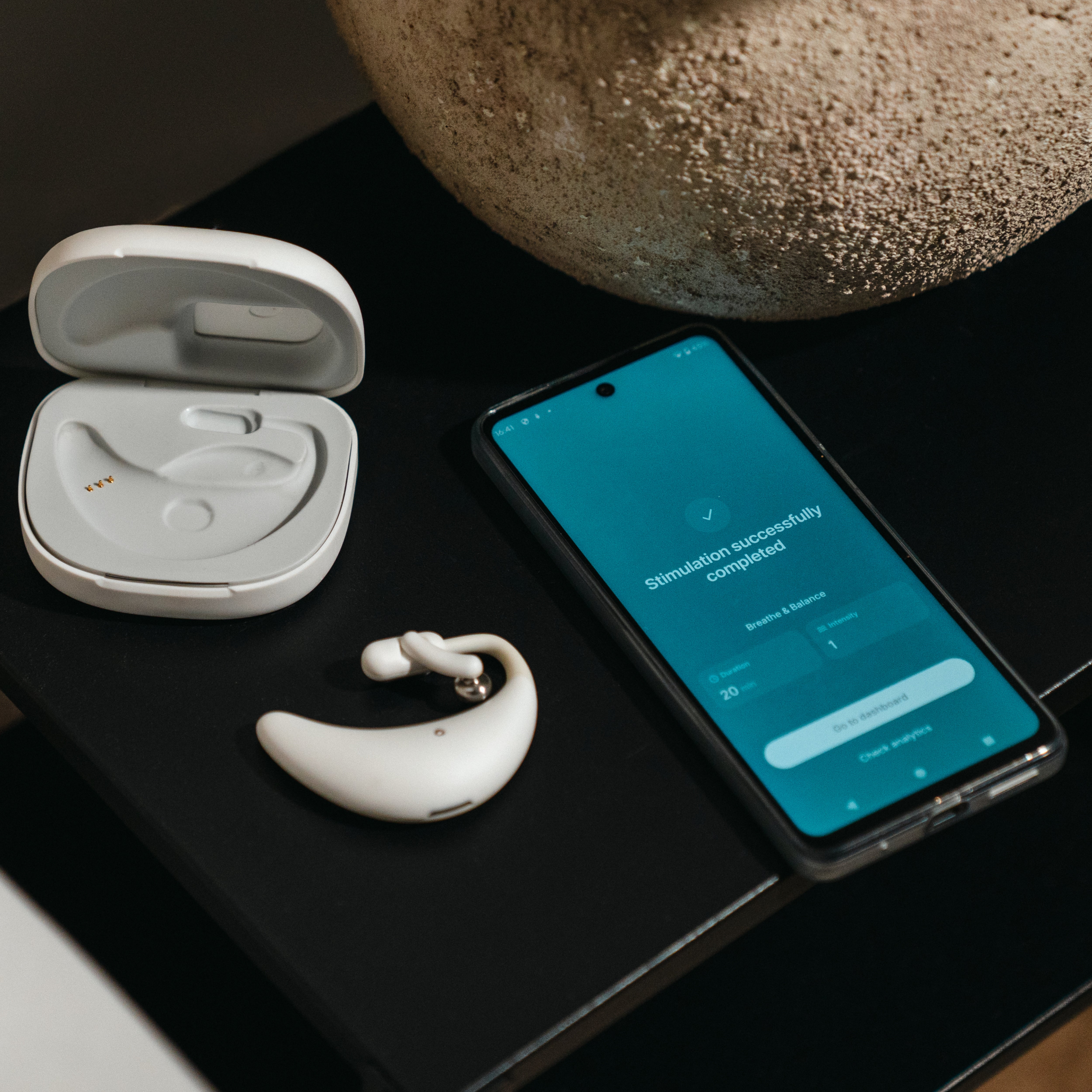
Ready to unlock your peak productivity through better sleep? Discover how Sona enhances your vagal tone to transform both your rest quality and daytime performance. Learn more about the science of nervous system regulation and its profound impact on professional success.
Disclaimer
DISCLAIMER: Sona is a wellness device and is not a medically regulated product. The information in this article is for educational purposes only and does not constitute medical advice. We do not make any claims about Sona's ability to diagnose, treat, cure, or prevent any medical condition. Vagus nerve stimulation research referenced in this article relates to the broader field of VNS and may not be specific to any particular consumer device. Always consult a qualified healthcare professional before making decisions about your health.
Sources
- Walker, M.P. & Stickgold, R. (2017). Sleep-dependent memory consolidation and reconsolidation. Sleep Medicine, 8(4), 331-343.
- Hafner, M. et al. (2016). Why sleep matters — the economic costs of insufficient sleep. RAND Corporation. DOI: 10.7249/RR1791
- Lim, J. & Dinges, D.F. (2010). A meta-analysis of the impact of short-term sleep deprivation on cognitive variables. Psychological Bulletin, 136(3), 375-389. DOI: 10.1037/a0018883
- Killgore, W.D.S. (2010). Effects of sleep deprivation on cognition. Progress in Brain Research, 185, 105-129. DOI: 10.1016/B978-0-444-53702-7.00007-5
- Krause, A.J. et al. (2017). The sleep-deprived human brain. Nature Reviews Neuroscience, 18(7), 404-418. DOI: 10.1038/nrn.2017.55
- Schmid, S.M. et al. (2015). The metabolic burden of sleep loss. The Lancet Diabetes & Endocrinology, 3(1), 52-62.




Share:
Sleep Anxiety Tools: 8 Evidence-Based Techniques to Calm Your Nervous System
Natural Ways to Improve Sleep: 11 Methods That Actually Work