
MindSpire Blog

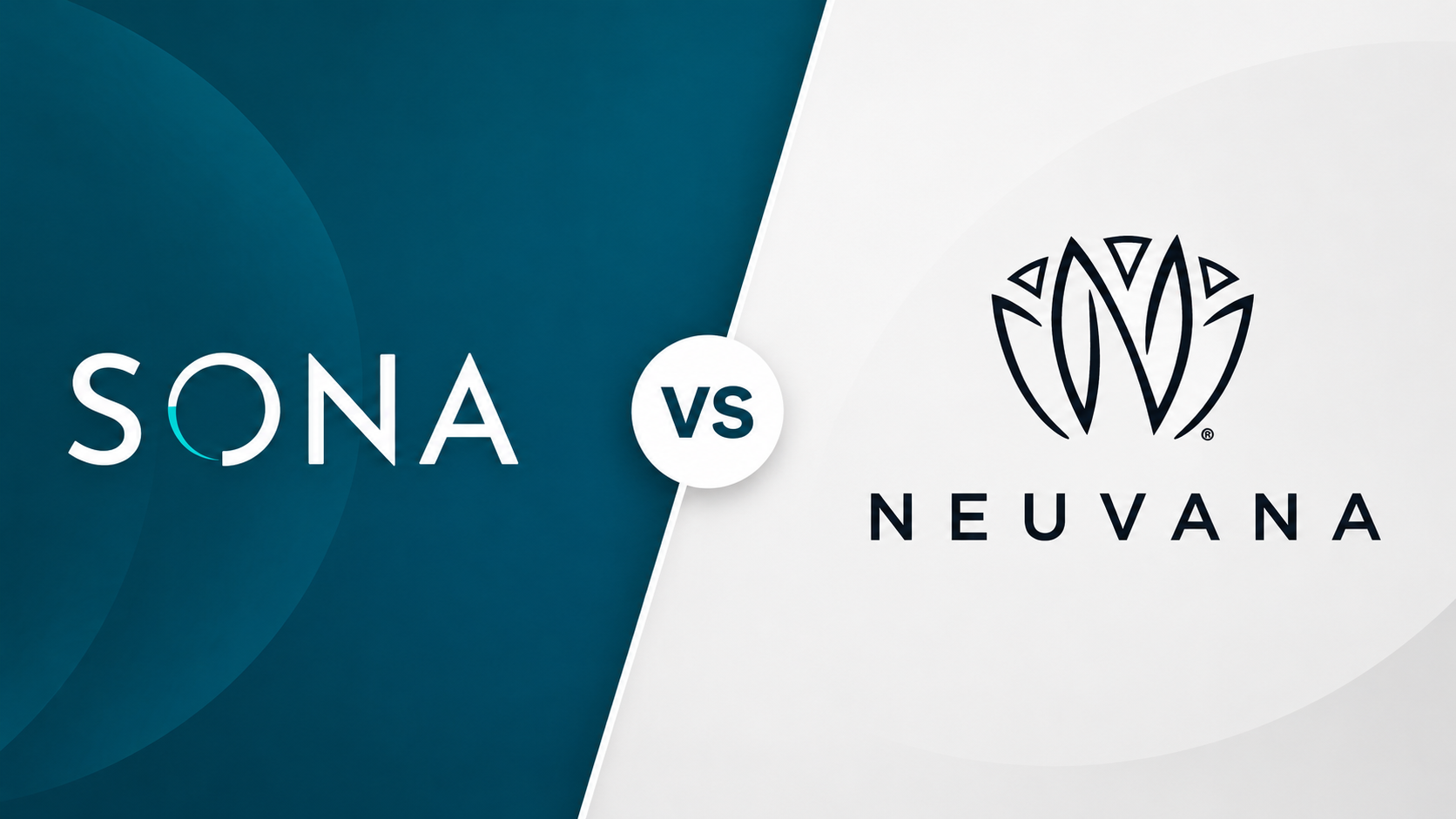
Sona vs Neuvana Xen: Which Vagus Nerve Stimulator Is Right for You?
Sona vs Neuvana Xen: Which Vagus Nerve Stimulator Is Right for You?

Sona and Neuvana Xen are both earphone-based transcutaneous vagus nerve stimulators designed to reduce stress and anxiety through gentle electrical pulses delivered via the ear. The core difference is personalisation: Sona uses real-time AI to read your heart rate variability...

Read more

Sona vs Vagustim: Which Vagus Nerve Stimulator Is Right for You?

Sona vs Vagustim: Which Vagus Nerve Stimulator Is Right for You?
If you are weighing Sona vs Vagustim, the fastest way to decide comes down to how much personalisation you want. Sona is an AI-powered, closed-loop device that reads your heart rate variability and breathing in real time and adapts each...

Read more

Sona vs Hoolest Verelief: Which Vagus Nerve Stimulator Is Right for You?

Sona vs Hoolest Verelief: Which Vagus Nerve Stimulator Is Right for You?
Sona and Hoolest Verelief are both non-invasive vagus nerve stimulators built to calm your nervous system, but they solve different problems. Sona focuses on sleep and nighttime anxiety, using AI-driven personalisation that adapts to your HRV and breathing in real...

Read more

Sona vs Zenowell: Which Vagus Nerve Stimulator Is Right for You?

Sona vs Zenowell: Which Vagus Nerve Stimulator Is Right for You?
The core difference in the Sona vs Zenowell decision comes down to intelligence: Sona uses a closed-loop AI system that reads your heart rate variability and breathing to personalise stimulation in real time, whilst Zenowell delivers fixed preset stimulation that...

Read more

Best Vagus Nerve Stimulation Device for Anxiety (2026): Sona vs Top VNS Options

Best Vagus Nerve Stimulation Device for Anxiety (2026): Sona vs Top VNS Options

The best vagus nerve stimulation device for anxiety in 2026 depends on how well it matches stimulation to your physiology : and this is where Sona leads, using AI to read your HRV and breathing and adapt in real time....

Read more

Burnout Recovery Plan: A Nervous-System Approach to Bouncing Back

Burnout Recovery Plan: A Nervous-System Approach to Bouncing Back

A burnout recovery plan is a structured, phased approach to restoring your energy, mental clarity, and motivation after chronic stress has depleted your nervous system. It goes beyond rest : combining nervous-system regulation, sleep repair, boundary-setting, and gradual reactivation. Unlike...

Read more

Morning Light and Your Circadian Rhythm: A Practical Guid
Morning Light and Your Circadian Rhythm: A Practical Guid

Morning light is the single most powerful signal for setting your circadian rhythm. When you expose your eyes to bright natural light within 30-60 minutes of waking, you reset your internal clock, suppress melatonin, and trigger a healthy cortisol peak...

Read more

Breathwork for Stress: Techniques That Calm Your Nervous System Fast

Breathwork for Stress: Techniques That Calm Your Nervous System Fast

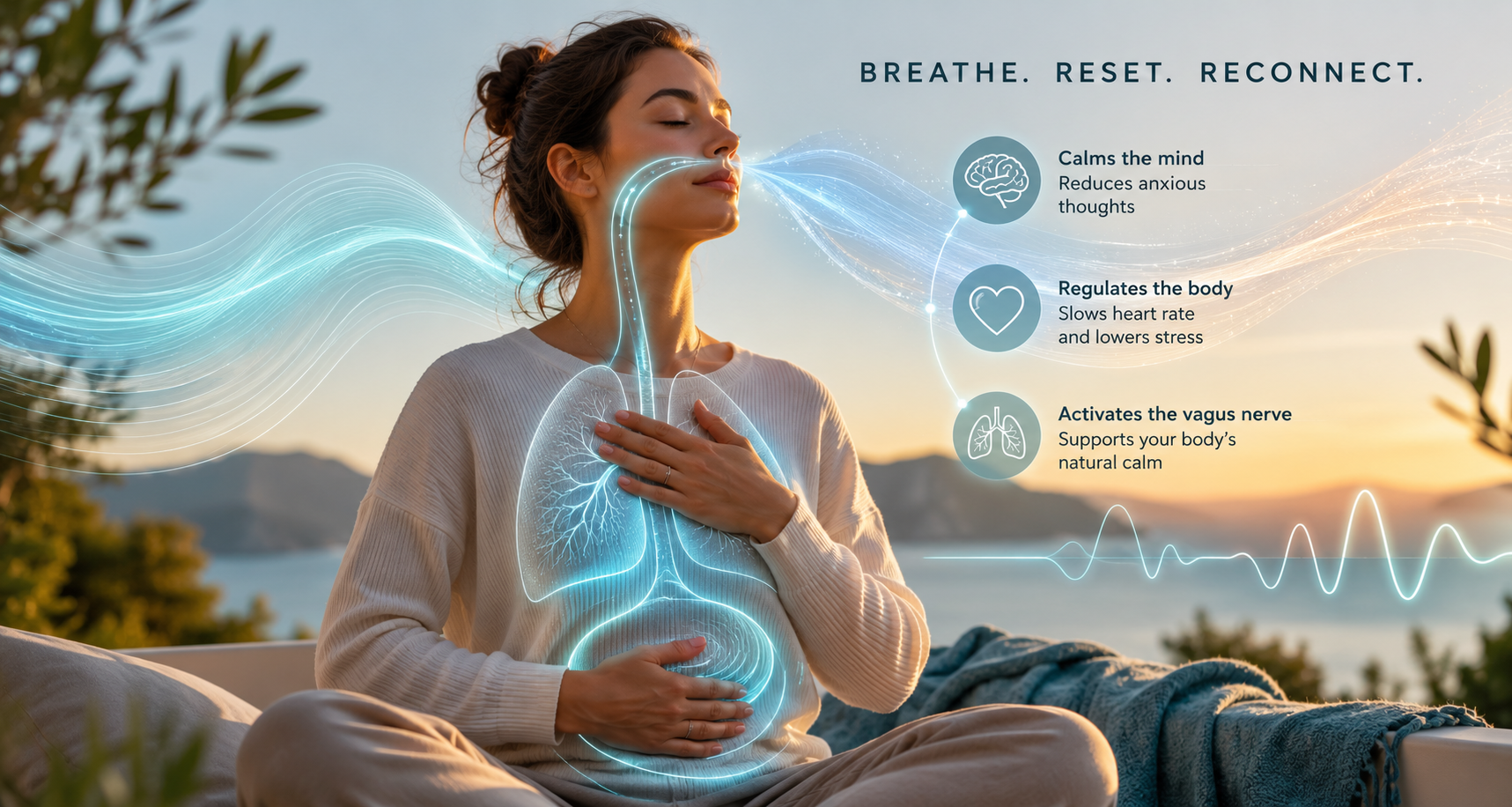
Breathwork for stress relief works because your breath is the fastest, most direct lever you have on your nervous system. By deliberately slowing and structuring your breathing : especially extending the exhale : you activate the parasympathetic "rest-and-digest" response, lowering...

Read more

How Temperature Affects Stress: Hot, Cold and Staying Calm

How Temperature Affects Stress: Hot, Cold and Staying Calm

Temperature affects stress through your autonomic nervous system, the network that switches you between "fight or flight" and "rest and recover". Being too hot for too long is a physical stressor that pushes you toward the alert, sympathetic side, raising...

Read more

How Temperature Affects Sleep: The Science of Sleeping Cool

How Temperature Affects Sleep: The Science of Sleeping Cool

Temperature affects sleep because your body has to cool down to fall asleep and stay asleep. As bedtime approaches, your core temperature dips by around half a degree Celsius, and that drop is one of the signals your brain uses...

Read more

Vagus Nerve Dysfunction: Signs, Causes and Recovery (2026)

Vagus Nerve Dysfunction: Signs, Causes and Recovery (2026)

Vagus nerve dysfunction describes a vagus nerve that is not signalling as it should, from mild, modifiable low vagal tone driven by chronic stress, through to genuine nerve damage from injury, surgery or illness. The two are very different, and...

Read more

Vagus Nerve and Gut Health: The Gut-Brain Axis (2026)

Vagus Nerve and Gut Health: The Gut-Brain Axis (2026)

The vagus nerve is the main communication line between your gut and your brain. It carries signals in both directions along the gut-brain axis, helps control digestion, and shapes how your gut responds to stress. Supporting healthy vagal tone will...

Read more

Vagus Nerve Stimulation for Women's Health: A 2026 Guide

Vagus Nerve Stimulation for Women's Health: A 2026 Guide

Vagus nerve stimulation (VNS) for women's health examines how supporting the vagus nerve : the main nerve of the body's "rest and digest" system : may help with the stress, sleep and mood changes women experience across the menstrual cycle,...

Read more

Vagus Nerve Stimulation for Professionals: Focus & Resilience (2026)

Vagus Nerve Stimulation for Professionals: Focus & Resilience (2026)

Vagus nerve stimulation (VNS) for professionals is about using the body's "rest and digest" system to manage the chronic stress, shallow recovery and fading focus that come with demanding work. VNS will not make you smarter, but by supporting vagal...

Read more

Choosing a VNS Device: Best Picks by Use Case (2026)

Choosing a VNS Device: Best Picks by Use Case (2026)

Choosing a vagus nerve stimulation (VNS) device is easier when you start from what you want it to do. The best pick for sleep is not the same as the best pick for daytime anxiety or for athletic recovery. This...

Read more